
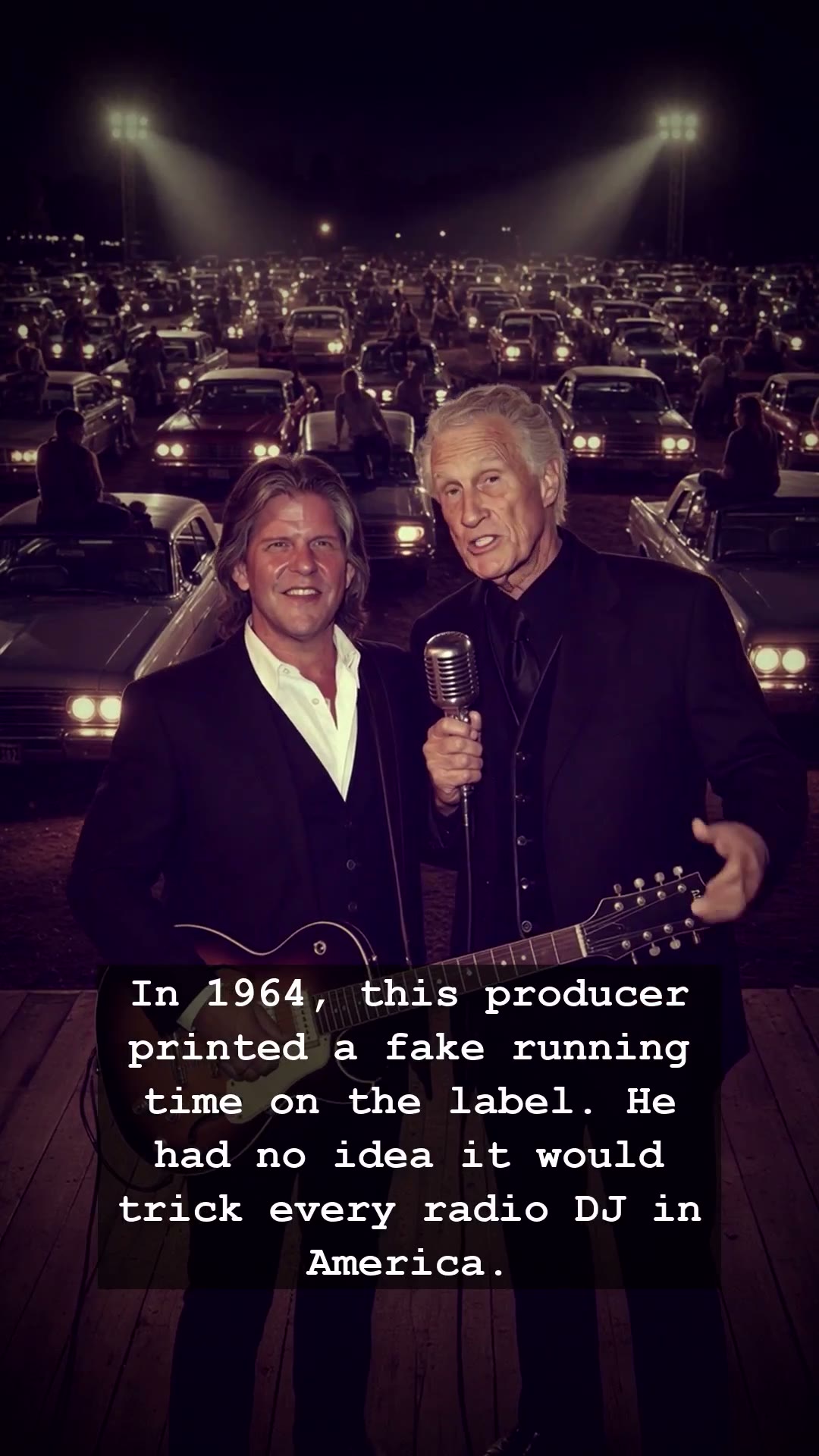
In the golden age of the jukebox, radio DJs were the gatekeepers of culture. If a song didn’t fit the tight, three-minute window of pop radio, it was dead on arrival. But in 1964, the legendary producer Phil Spector played a dangerous game of deception that changed the course of music history. He took a sweeping, epic ballad by The Righteous Brothers and committed an act of industry sabotage: he printed a fake running time on the record label. While the track actually clocked in at a sprawling three minutes and thirty-five seconds, the label claimed it was much shorter. Spector knew that if DJs saw the real time, they would refuse to play it. He gambled on the song’s raw, emotional power, banking on the idea that once the music started playing, no one would dare cut the needle.
The song, of course, was You’ve Lost That Lovin’ Feelin’. At the time, The Righteous Brothers—the soulful duo of Bill Medley and Bobby Hatfield—were working with Spector to craft what he called a Wall of Sound. This wasn’t just a pop song; it was a symphonic monument of heartbreak, layering orchestration, thunderous percussion, and those incomparable blue-eyed soul vocals. It sounded like nothing else hitting the airwaves in 1964. By lying about the length, Spector ensured the track earned its place in the rotation, and the resulting phenomenon was explosive. It climbed to the top of the charts, becoming one of the most played songs in the history of American radio.
Looking back at the mid-sixties, it is easy to romanticize the era, but the pressure behind the scenes was immense. Artists like The Righteous Brothers were constantly fighting for a few seconds of relevance in a landscape dominated by fast-paced hits. Phil Spector was notorious for his uncompromising vision and psychological games, often pushing his artists to the brink to capture a single, perfect take. The trickery behind the label wasn’t just a marketing gimmick; it was a desperate, brilliant act of defiance against a rigid industry that didn’t know how to handle music that dared to take its time.
Today, the legacy of The Righteous Brothers remains cemented in our collective memory, not just for their technical prowess, but for the dramatic flair that defined their rise to stardom. When you hear that iconic opening bass line today, you are listening to a piece of history that successfully bypassed the gatekeepers of the past. That single record proves that art, when truly powerful, has the ability to rewrite the rules of the game. It remains a testament to the era when vinyl was king and a well-placed lie could turn a song into an immortal masterpiece.
As the needle drops on a weathered copy of their album, the echoes of 1964 still resonate with a warmth that modern production rarely replicates. The Righteous Brothers brought a depth and vulnerability to the airwaves that moved listeners then just as it touches hearts today. It is a reminder that behind every classic hit lies a story of ambition, conflict, and the sheer audacity to challenge the status quo. The next time you find yourself lost in that haunting melody, remember the producer who dared to lie just so the world would finally listen.