
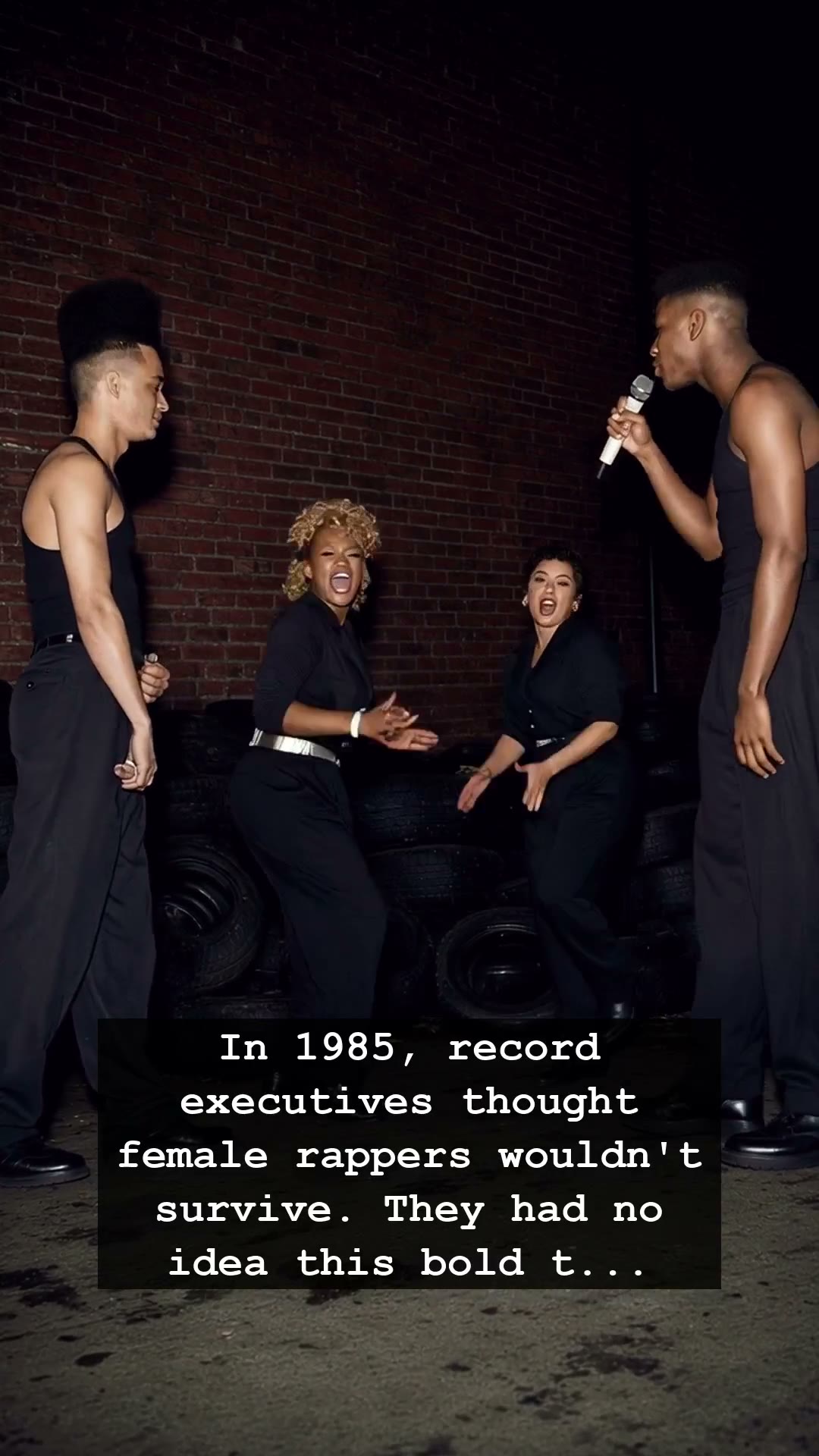
In 1985, the airwaves were dominated by the grit of street-corner cyphers and the booming bravado of male rappers who treated the booth like a private clubhouse. When Cheryl James and Sandra Denton, working at a Sears in Queens, decided to step into the recording industry, they were met with a wall of skepticism. Male executives famously laughed them out of the room, sneering that women were merely aesthetic additions to the genre, never architects of their own sound. They had no idea that they were looking at the future of the culture. Salt-N-Pepa were about to walk through that closed door and dismantle the establishment from the inside out.
Back then, the music industry was a boys’ club where the Jukebox was programmed by men and for men. The prevailing sentiment was that hip-hop lacked a feminine touch because the gatekeepers refused to allow one. But Salt-N-Pepa, joined by DJ Spinderella, possessed an unapologetic confidence that proved impossible to ignore. Their debut, The Showstopper, was a defiant response to those who doubted them. It wasn’t just a track; it was a manifesto. They refused to play the role of the passive backing vocalists that the industry tried to pigeonhole them into, instead taking center stage with sharp lyrics, infectious energy, and a bold attitude that challenged the status quo.
Their rise wasn’t just about record sales; it was a cultural shift that rippled through the MTV generation. As the 80s transitioned into the early 90s, Salt-N-Pepa became the soundtrack for a generation of women redefining their own independence. While others were singing about being kept, they were rapping about agency, desire, and respect. They transformed the conversation, turning the male-dominated world of rap into a space where a woman’s voice carried just as much weight as any beat dropped in the Bronx. Their influence extended far beyond the vinyl grooves, helping to pave the way for every female artist who followed.
Yet, the road to their success was paved with immense pressure and the constant threat of being sidelined. In an era before the accessibility of digital streaming, they had to grind through the club circuit and local radio stations, fighting for every inch of airtime. The industry was cutthroat, often pitting artists against one another, but Salt-N-Pepa remained a tight-knit force. They navigated the dark side of fame—the exhaustion of endless touring and the scrutiny of a press that didn’t know how to categorize them—with a sense of humor and a fierce dedication to their craft that kept them grounded in their Queens roots.
Today, we look back at the era of the Walkman and the early dawn of music videos with a deep, aching nostalgia. Salt-N-Pepa remains a cornerstone of that history, a testament to what happens when you refuse to accept a ‘no’ from those who don’t see your vision. They didn’t just break the glass ceiling; they shattered it into a thousand pieces and built something iconic in the wreckage. Whenever their classic tracks hit the speakers, it isn’t just a trip down memory lane—it is a celebration of the raw courage it took to change the world, one verse at a time. The legacy of these Queens legends continues to resonate, reminding us that true artistry always finds a way to be heard.