
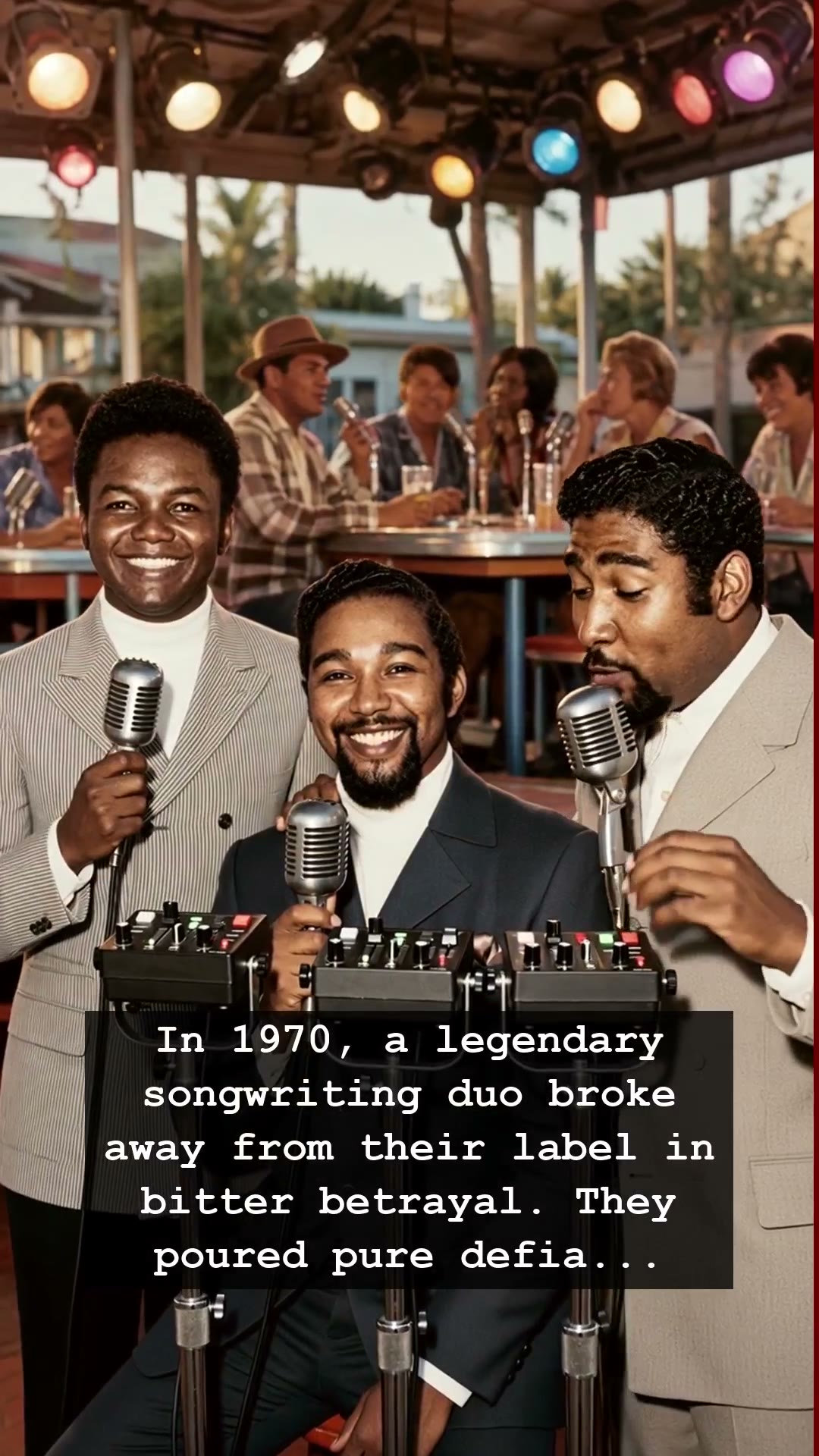
The year was 1970, and the air in Detroit was thick with more than just industrial smog; it was heavy with the scent of an empire crumbling from within. For years, the songwriting powerhouse known as Holland Dozier Holland had been the beating heart of Motown, crafting the shimmering, melodic architecture that defined the sound of a generation. Brian Holland, Lamont Dozier, and Eddie Holland were not just songwriters; they were the golden architects of the Supremes, the Four Tops, and the Miracles. Yet, behind the polished melodies and the hit-making machinery, a bitter storm was brewing. A dispute over royalties and creative freedom pushed these three geniuses toward a desperate, defiant decision: they were walking away from the house that Berry Gordy built to prove they could conquer the world on their own terms.
The tension escalated into a legal quagmire that would have buried lesser artists. But Holland Dozier Holland were not ordinary men. Stripped of the Motown marketing muscle and locked in a battle for their professional survival, they funneled their resentment and creative fury into the birth of their own independent labels, Invictus and Hot Wax. It was a gamble that defied the industry norms of the era. They didn’t just want to write songs; they wanted to strip away the glossy lacquer and reveal the raw, grit-infused truth of soul music that had been sanitized by the corporate machine. This was their secret rebellion, a deliberate attempt to capture the lightning they had already bottled once before, but this time, with the scars of betrayal etched into the rhythm.
Their transition to independence was far from smooth, yet the music that emerged from this period of turmoil possesses a unique, sharp-edged honesty. Tracks like Give Me Just a Little More Time by Chairmen of the Board carry a desperate urgency that feels personal, as if the songwriters were pleading for their own professional validation. Holland Dozier Holland brought a sophisticated, layered production style to these new labels, blending their signature Motown polish with a grittier, funk-infused vulnerability. Listening to those records today, you can hear the sound of three men fighting to reclaim their legacy from the jaws of a corporate behemoth, channeling the frustration of the late sixties into the grooves of the new decade.
It is fascinating to consider how this rift changed the course of music history. While Motown eventually moved on, the departure of Holland Dozier Holland marked the end of an era where a single production team could essentially dictate the flavor of American pop culture. Their story remains a poignant reminder of the fragility of creative partnerships and the high price of fame. Even decades later, their influence lingers in every studio where writers dare to challenge the status quo. The drama, the lawsuit, and the eventual triumph serve as a testament to their indelible mark on the soul genre.
Ultimately, the legacy of Holland Dozier Holland is not defined by the lawsuits or the corporate fallout, but by the sheer volume of brilliance they left behind. They proved that no matter the size of the label or the intensity of the betrayal, true talent is impossible to silence. As we look back through the lens of nostalgia, we see them not just as employees of a hit factory, but as bold entrepreneurs who paved the way for the artist-owned success stories we see today. The next time you drop the needle on a vintage record from 1970, listen closely, and you might just hear the sound of defiance ringing out from a long-lost Detroit studio.