
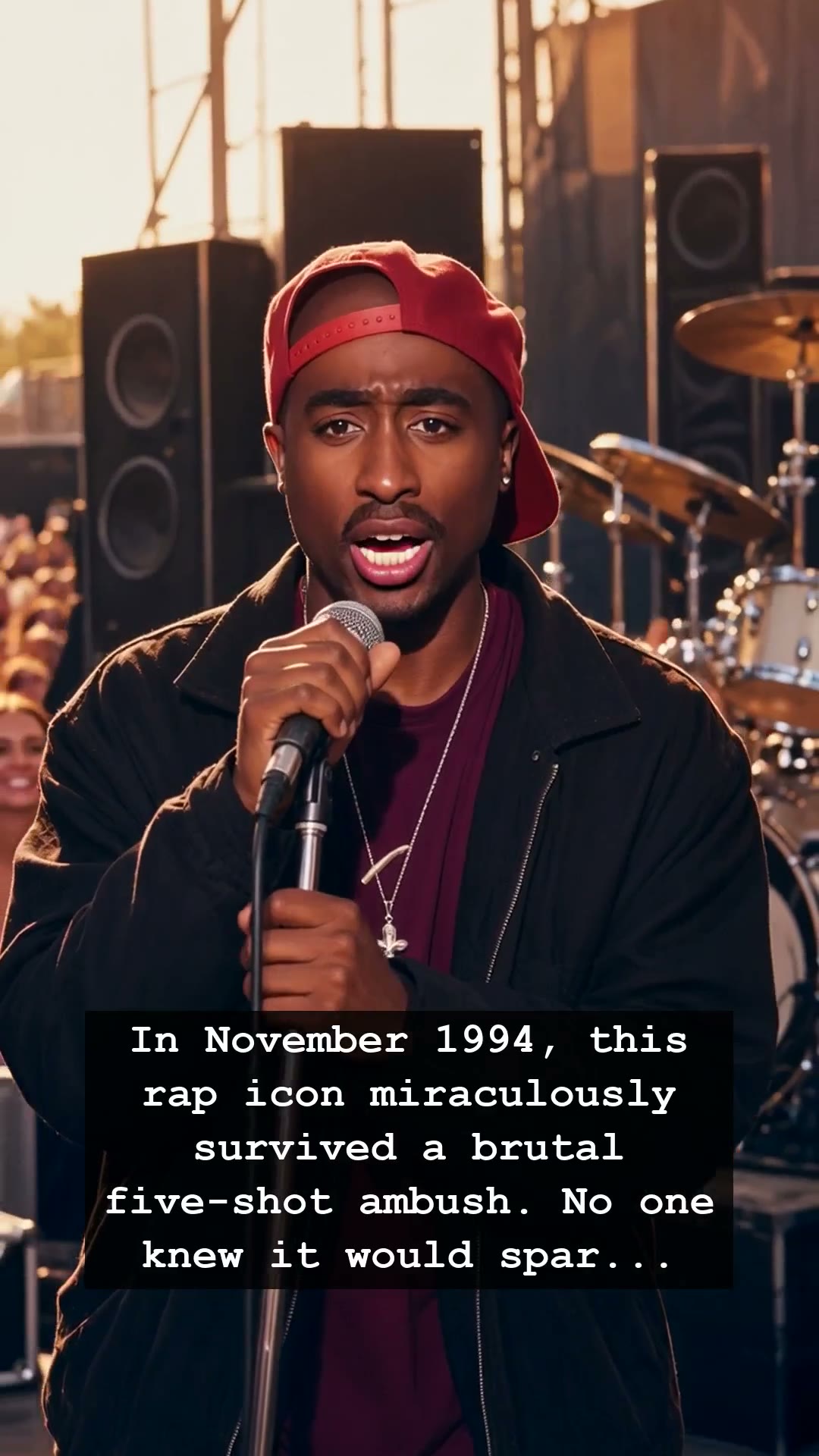
It was November 30, 1994, a cold night in Manhattan that would forever alter the trajectory of American music. Inside the lobby of Quad Recording Studios, the air was thick with the scent of cigarettes and the hum of analog equipment, a sanctuary for some of the greatest sounds of the nineties. But for Tupac Shakur, this quiet evening transformed into a nightmare of flashing steel and deafening gunfire. Struck five times by unknown assailants, the rap icon lay bleeding, yet miraculously, he survived. No one standing in that lobby could have predicted that this specific act of violence would serve as the opening salvo in a coastal war that eventually consumed the very soul of the hip-hop generation.
To understand the gravity of that moment, one must look back at the cultural landscape of the era. This was a time when the Jukebox was fading into memory, replaced by the Walkman’s personal soundtrack and the burgeoning dominance of MTV, which had turned artists into larger-than-life deities. Tupac Shakur was at the zenith of this movement, a poet-warrior whose lyrics resonated with the disenfranchised across the nation. Yet, beneath the platinum records and the bright lights of the stage, a dark undercurrent of paranoia was beginning to churn. The incident at Quad Studios didn’t just injure a man; it shattered the fragile trust within the industry, turning former associates into bitter rivals overnight.
As Tupac Shakur recovered, the world watched with bated breath. He felt betrayed by those he considered brothers, pointing fingers at figures like The Notorious B.I.G. and Sean Combs, claiming they knew about the ambush beforehand. This accusation was the spark that ignited the powder keg of the East Coast versus West Coast feud. It was a period defined by sensational media headlines and a palpable tension that bled from the recording booths into the streets. The drama was cinematic in its tragedy, fueled by ego, misunderstandings, and the crushing weight of fame that often demands a blood sacrifice from those who dare to define a generation.
Why does this story still haunt us three decades later? Because Tupac Shakur represented the raw, unfiltered voice of a changing America. His survival in 1994 felt like a divine intervention, a second chance that only seemed to sharpen his focus and amplify his defiant spirit. Yet, the tragedy of the situation lies in how the subsequent cycle of retaliation became inescapable. The music produced during this era—intense, soul-searching, and deeply aggressive—remains a testament to the pain and the power of a man who lived and breathed his art with dangerous intensity.
Reflecting on that night serves as a somber reminder of the human cost behind our favorite cultural legends. The echoes of those five gunshots still resonate in the halls of history, marking the moment when rap music transformed from a creative movement into a high-stakes, life-or-death drama. As we listen to his classics today, we are reminded that behind every legendary track is a story of vulnerability, betrayal, and the relentless pursuit of truth. Do you remember where you were when the news of the war first broke, and how the music changed for you after that dark winter?