
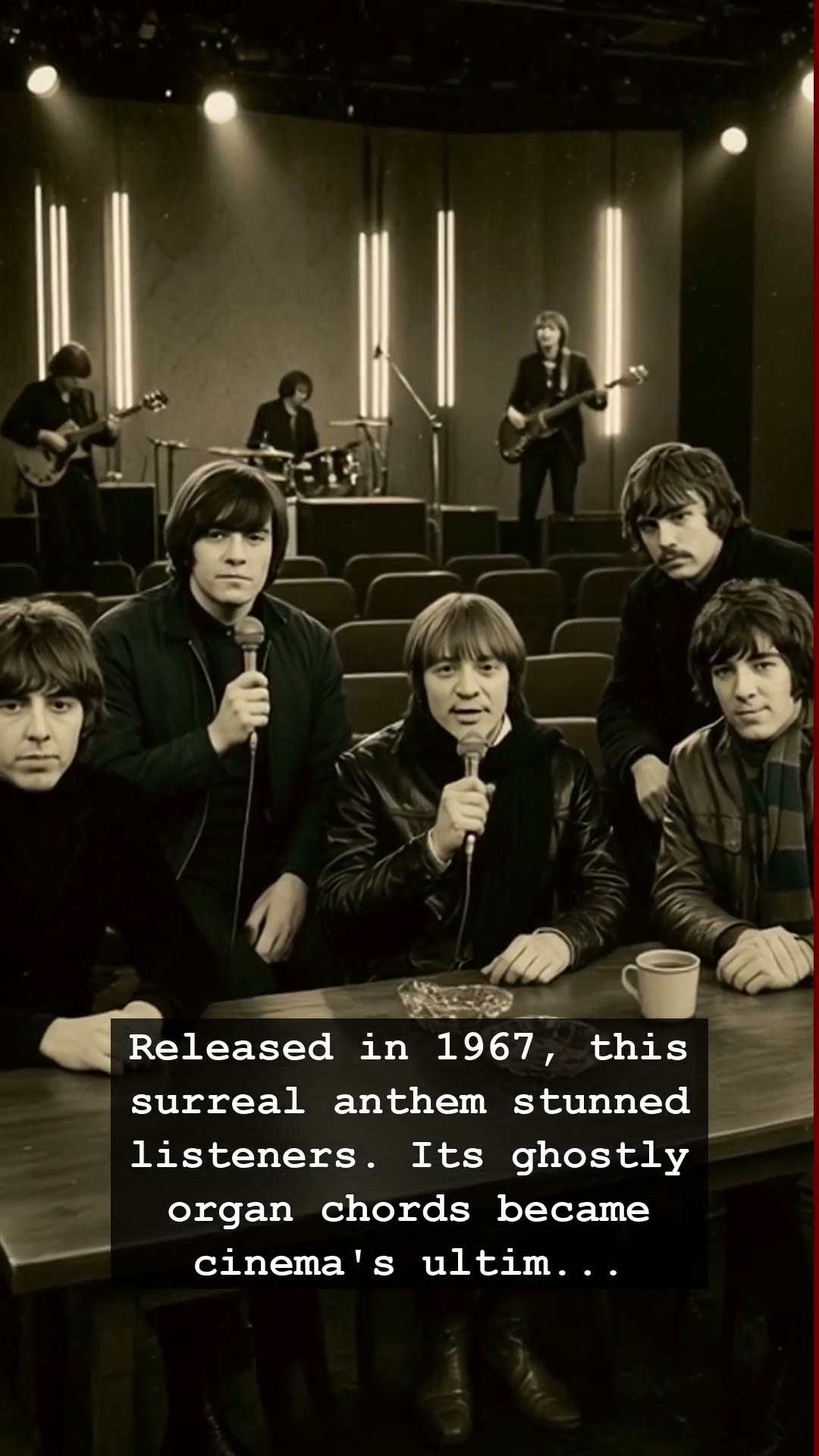
It was 1967, a year defined by the Summer of Love, yet amidst the bright psychedelic colors and flower-child optimism, a strange, spectral sound began bleeding through the speakers of jukeboxes across the world. It was the debut of Procol Harum, an English band that seemed to arrive fully formed from a dream—or perhaps a nightmare. Their breakout anthem, A Whiter Shade of Pale, did not sound like anything else on the radio. With its glacial, Bach-inspired organ progression and cryptic, surrealist lyrics, it captured a kind of existential dread that felt centuries old. For many listeners, the song was a sudden shift in the cultural landscape, a haunting maritime masterpiece that transformed the pop charts into a theater of the surreal.
At the heart of this enigma was the unmistakable, soulful voice of Gary Brooker and the chilling Hammond organ chords played by Matthew Fisher. The song was a paradox; it was a massive commercial hit that somehow felt intensely private and inaccessible. While the era was obsessed with the kinetic energy of Motown or the sunny optimism of surf rock, Procol Harum leaned into the shadows. The lyrics, famously penned by Keith Reid, spoke of vestal virgins, wandering coastlines, and a phantom-like atmosphere that defied the logic of typical radio hits. It was music for the dark corners of the night, a composition that felt like a ghost story whispered in a crowded room.
Behind the success of this monumental track lay a complex web of artistic tensions and legal battles that would haunt the band for decades. The authorship of that iconic organ melody became one of the most litigious dramas in rock history, a legal struggle that highlighted the often-messy reality behind the magic of classic compositions. The conflict between the creative vision of the band members served as a grim reminder that even the most ethereal, transcendental music is often forged in the fires of human ego and professional fallout. It was the dark side of the fame that followed their meteoric rise, a reality far removed from the pristine, cinematic experience the audience enjoyed in their headphones.
Yet, the cultural impact of A Whiter Shade of Pale remained untarnished by these internal fractures. It became a permanent fixture in the cinematic canon, used by directors to signify moments of deep psychological dissolution or existential realization. Whenever that organ swell begins, it instantly transports the listener back to a time when music felt dangerous, mysterious, and deeply profound. Whether it is drifting out of a portable radio or echoing through the speakers of a dimly lit lounge, the song carries a weight that modern pop often lacks. It serves as a reminder of an era when art was allowed to be obscure and deeply atmospheric.
Decades later, the legacy of Procol Harum stands as a testament to the power of the surreal in popular culture. They proved that audiences were willing to embrace the haunting, the strange, and the melancholic, provided it was crafted with genuine soul. As we look back on the transition from the golden age of the sixties toward the gritty evolution of the seventies, this song remains a cornerstone of memory. Have you listened to it lately, or has the ghost of that melody finally faded into the static of time?