
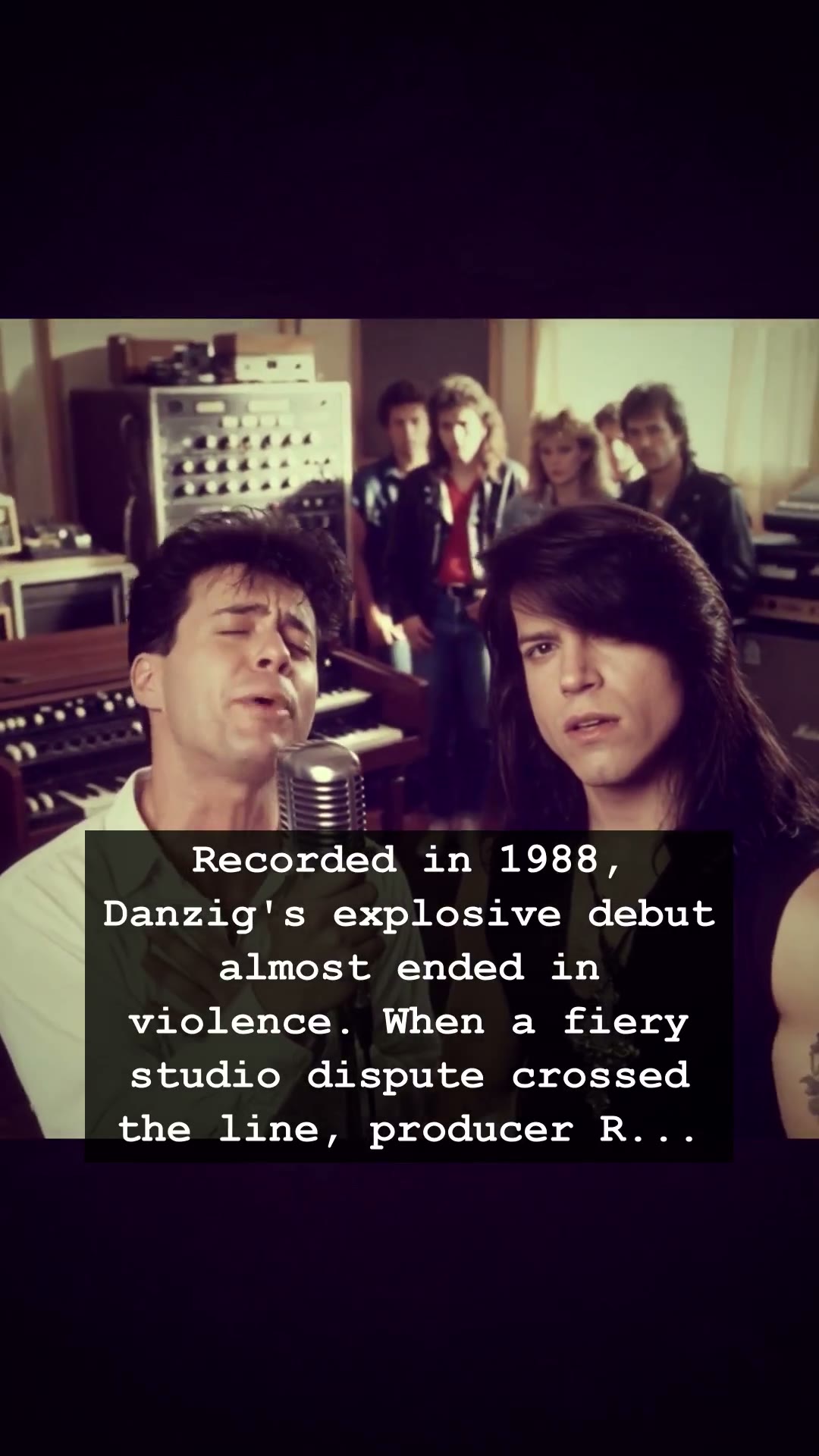
It was 1988, a year defined by the shifting sands of the American music scene. While the bright neon aesthetics of the decade were still lingering in the air, a darker, heavier sound was percolating in the underground. Inside the dimly lit walls of a Los Angeles recording studio, an explosive collision of two formidable titans—Glenn Danzig and Rick Rubin—was about to change heavy metal history forever. The air was thick with the scent of cigarettes and pure, unadulterated tension, the kind of atmosphere that birthed legendary records but often shattered the men behind the glass.
Rick Rubin, the mastermind producer who had already revolutionized the industry, was known for his minimalist approach and calm demeanor. Glenn Danzig, conversely, was a volatile force of nature, a frontman whose intensity was often matched only by his stubborn commitment to his artistic vision. As they worked on the self-titled debut album Danzig, the collaborative process hit a breaking point. It was not a disagreement over musical notes or production aesthetics; it was a fundamental clash of wills that defied conventional studio etiquette. The altercation escalated so rapidly that the legendary producer found himself physically ejected from his own control room by the singer himself.
In an era when the music industry was obsessed with the polished spectacle of MTV, the raw, bluesy, and menacing sound of Glenn Danzig was a dangerous outlier. Rick Rubin saw the potential for something visceral, something that would cut through the synthesized pop noise of the late eighties. Yet, the price of that genius was navigating the ego of an artist who refused to be steered. The image of the legendary Rick Rubin being thrown out of the room by Glenn Danzig remains one of the most jarring, authentic anecdotes in metal history. It serves as a reminder of how high the stakes were during the creation of albums that would eventually become cult classics.
This incident is not just a piece of tabloid fodder; it is a testament to the uncompromising nature of artistic creation in the pre-digital age. Back then, you didn’t have the luxury of remote editing or sanitized corporate approval. You locked yourselves in a room until the tape caught fire, or until someone broke. That 1988 recording process captured a lightning-in-a-bottle moment where the friction between producer and talent created a sonic landscape that remains unparalleled. The resulting record, powered by tracks like Mother, proved that their chaotic dynamic was perhaps the only way to achieve such a timeless, dark sound.
Today, as we look back at the grit of the nineties and the transition from the golden era of rock, stories like this ground us in the human reality of our heroes. We often sanitize the history of the music we love, forgetting that these albums were forged in anger, sweat, and confrontation. Whether or not you agree with their methods, the standoff between Glenn Danzig and Rick Rubin left an indelible mark on the heavy metal landscape. It is a story that reminds us that sometimes, true art requires a little bit of violence to survive the silence.