
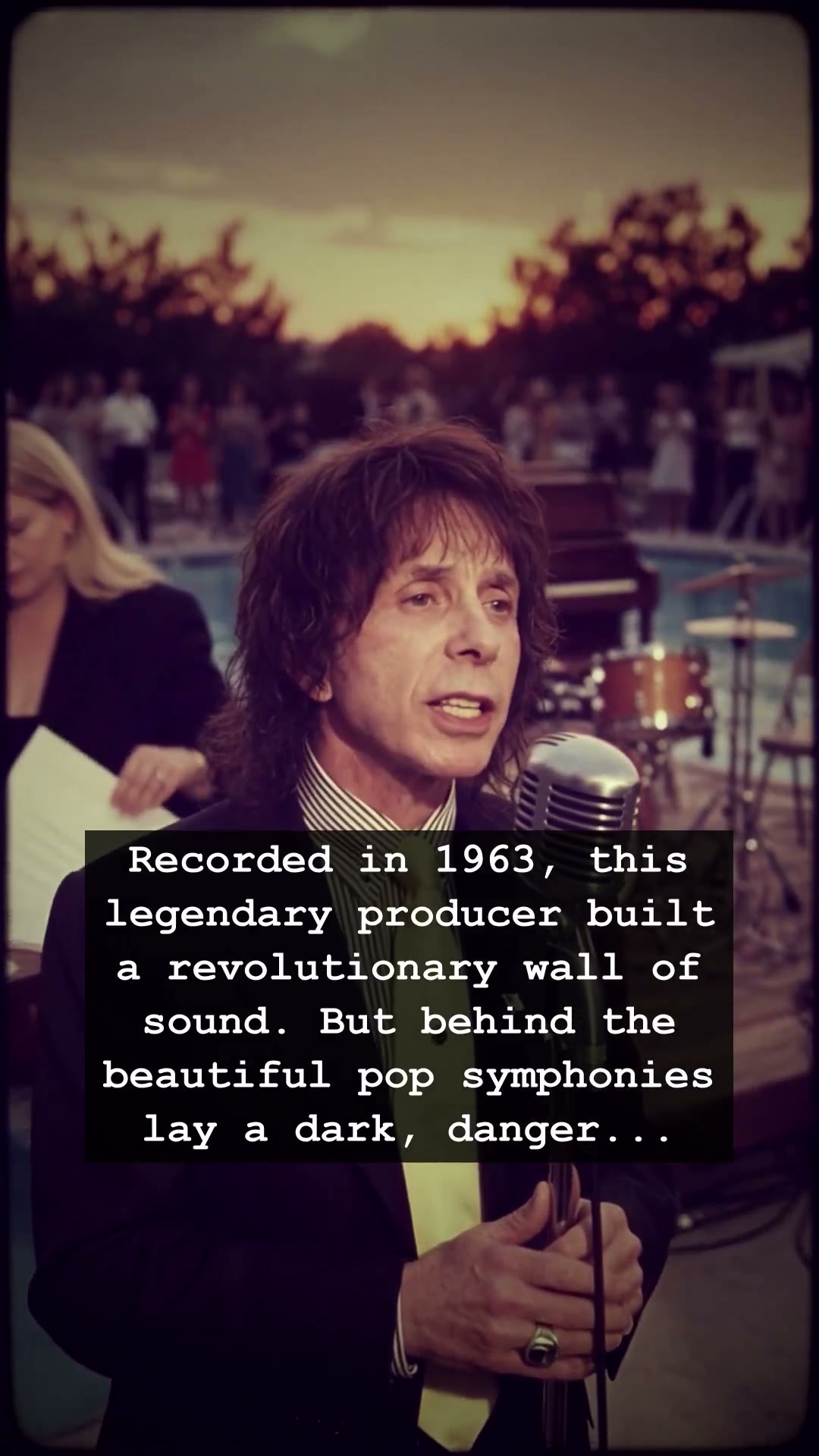
In 1963, the airwaves were dominated by a revolutionary, thunderous roar that sounded like nothing else on the radio. It was the Wall of Sound, a lush, orchestral tapestry of pop perfection that defined the golden age of the American jukebox. At the center of this sonic earthquake stood Phil Spector, a man whose genius was as undeniable as the shadows that consumed him. While millions of teenagers danced to his symphonies, they had no idea that the mastermind behind the music was spiraling into a world of paranoia, obsession, and uncontrollable violence.
Phil Spector was not merely a producer; he was a conductor of chaos. To create his signature sound, he packed recording studios with dozens of musicians, demanding absolute perfection and absolute submission. He transformed the recording studio into a high-pressure fortress, where his eccentric demands pushed artists to their breaking points. It was a time when the glimmer of the record industry masked deep-seated instability. His ability to craft ethereal, romantic ballads like Be My Baby belied the fact that he was rapidly becoming a man who could not distinguish reality from the dark corners of his own mind.
Behind the pristine polish of these hits lay a pattern of behavior that would eventually shatter his legacy. Phil Spector was infamous for bringing firearms into the studio, using intimidation as a tool to command his session musicians. He was a man who wanted to hold the music in a permanent, golden cage, yet he could never control the demons within himself. The music of that era, often synonymous with innocence and teenage romance, served as a haunting contrast to the reality of a producer who governed through fear and weaponized his brilliance.
As the decades passed, the stories from the studio grew darker, painting a picture of an artist who demanded total devotion and total control. When we look back at the sixties and seventies through the lens of music history, Phil Spector remains a tragic monument to the cost of unchecked ambition. He reached the heights of cultural icons alongside groups like The Ronettes, yet he ultimately fell into a life of infamy. The dichotomy between his beautiful, symphonic creations and his violent, erratic nature remains one of the most chilling narratives in the annals of American music.
Today, listening to a Phil Spector track carries a strange, heavy weight. We admire the technical mastery that changed the history of recording forever, but we cannot ignore the sinister figure who pulled the strings. The Wall of Sound will always echo in our memories, a testament to a revolutionary time in music production. Yet, it serves as a stark reminder that even the most beautiful melodies can be birthed from a place of profound darkness. Next time you hear those iconic drums, remember the man who built an empire of sound, only to be dismantled by the shadows of his own making.