
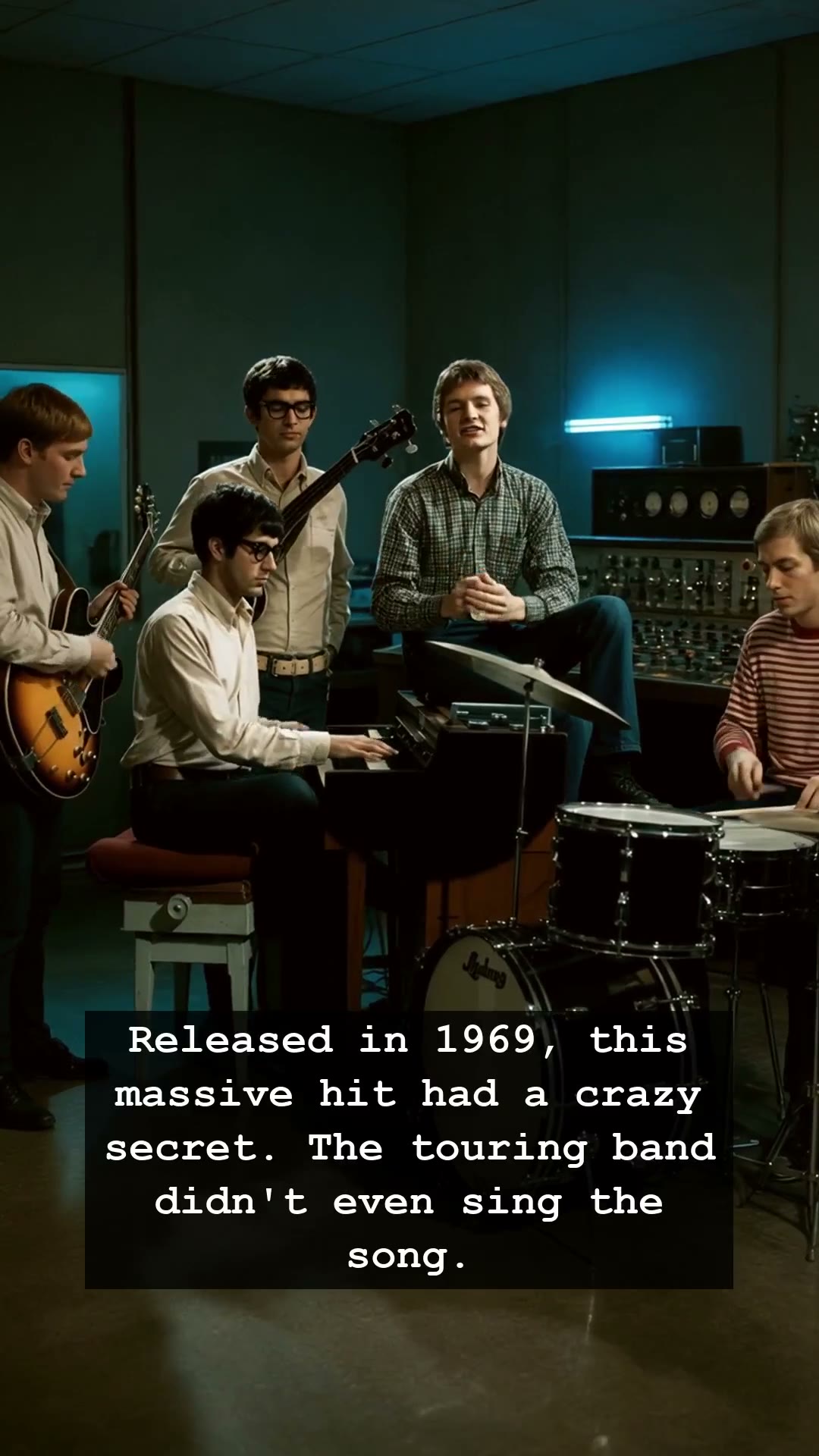
It was the golden era of rock and roll, a time when the crackle of a vinyl record on a Sunday morning felt like a religious experience and every song on the jukebox held the promise of a revolution. In 1969, a song took over the airwaves that became an instant stadium anthem. Na Na Hey Hey Kiss Him Goodbye by the group known as Steam was everywhere. It was a catchy, soulful pop-rock track that defined the spirit of the late sixties, yet behind this massive chart-topping success lay one of the most bizarre deceptions in music history. The band you saw on television performing under the name Steam was not actually the group that recorded the hit. It was the original music industry shell game, a manufactured dream that left audiences mesmerized while the real vocalists remained hidden in the shadows of anonymous studio booths.
At the height of the psychedelic rock movement, the music business was rapidly evolving, and producers were looking for the next big sound to capture the radio charts. The song itself was an accidental masterpiece, a demo track that had been sitting on a shelf. When it suddenly caught fire, the record label realized they needed a visual identity to promote it. Enter Steam, a group of touring musicians who were essentially hired to be the public face of a song they had never actually played or sung. They were polished, charismatic, and perfectly choreographed, lip-syncing for television cameras while the voices of studio session singers echoed from the speakers. It was a masterclass in the art of the musical illusion, thriving in an era before the internet could expose the curtain behind the wizard.
The irony of the Steam scandal is that the song became an immortal piece of American pop culture. It transitioned from a radio smash to the ultimate stadium chant, heard in every arena across the country during the following decades. Yet, for those who lived through that transition from the late sixties to the early seventies, the story of Steam serves as a poignant reminder of how fragile the line between artistic authenticity and corporate packaging really was. These musicians were caught in a whirlwind of sudden fame, living a double life where they traveled the country playing sold-out shows for a track they did not own the soul of.
Looking back, this moment feels like a relic of a time when the mystique of an artist was easier to curate. In an age before MTV would demand constant visual transparency, the industry could build an image from scratch. The story of the Steam band stands as a fascinating case study in music history, reflecting the tension between the artistic truth of a recording and the manufactured spectacle of performance. It was a time when mystery was a currency, and even a lie could be catchy enough to be remembered for generations.
Even today, whenever the iconic chorus begins to play at a sports game, a little piece of that 1969 magic stirs the air. We might know the truth about the studio phantoms and the touring actors now, but it hardly matters. The song has transcended its origins, becoming a legendary anthem that belongs to the listeners rather than the people who performed it. It remains a beautiful, strange relic of an era when rock and roll was still learning just how far it could push the boundaries of reality.