
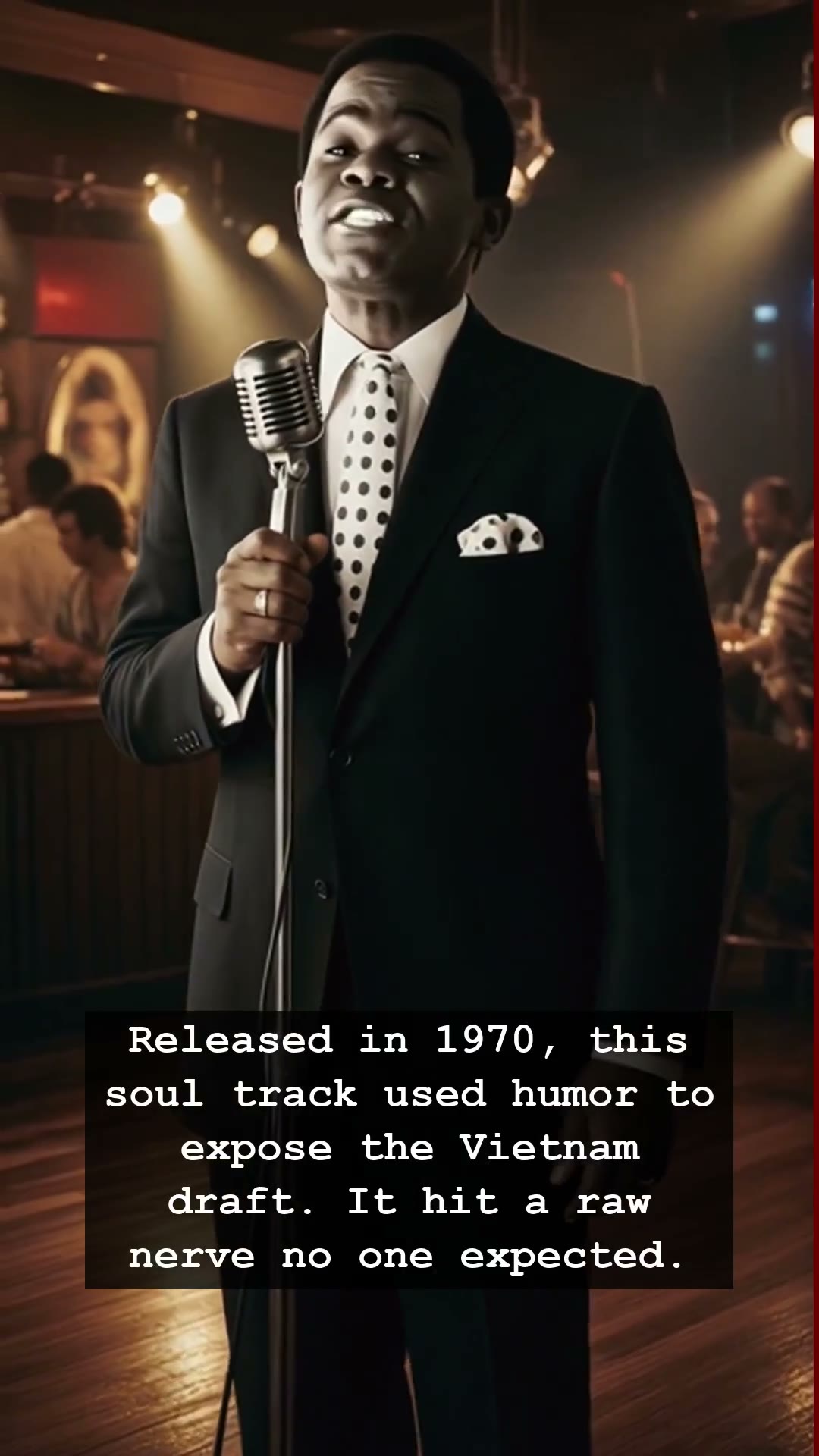
In 1970, the airwaves were thick with the sound of change. While the psychedelic movement was busy painting the world in neon, Joe Tex stepped into a dusty Memphis studio with something far more biting than a flower-power anthem. He delivered a track that used humor as a surgical blade, dissecting the raw, aching reality of the Vietnam draft that was quietly emptying small-town America. To the casual listener, the song was just another catchy soul groove, but to a generation of young men watching their friends board buses for the jungle, Joe Tex was speaking the uncomfortable truth that nobody wanted to acknowledge in polite conversation.
Joe Tex was never one to shy away from the gritty reality of life. Known for his showmanship and that unmistakable Southern soul grit, he possessed an uncanny ability to translate the joys and pains of the common man into music that moved your feet and stirred your conscience. In 1970, he channeled that energy into a song that captured the specific anxiety of the era. The draft wasn’t just a political talking point; it was a shadow hanging over every high school graduation, every porch light, and every Jukebox in the country. By infusing his commentary with a dash of sharp, rhythmic wit, Joe Tex forced the public to look at the draft through a lens that was both deeply personal and darkly hilarious.
There was a strange, haunting quality to the music of that time. We were living in a transition between the analog warmth of the fifties and the explosive, often volatile energy of the seventies. When you hear a Joe Tex record, you are instantly transported back to that period. You can almost smell the cigarette smoke in the local dance halls and feel the humidity of the South. But beneath the polished production, the soul music of Joe Tex held a mirror up to society. He didn’t need to preach; he simply laid out the absurdity of the situation. By highlighting how the draft was stripping hometowns of their sons, he turned a private fear into a communal realization.
History often paints this era with broad, colorful strokes, focusing on Woodstock or the glitz of Studio 54, but the true pulse of the time was found in the stories of men like Joe Tex. He understood that music was the ultimate vessel for dissent. The humor he utilized wasn’t meant to trivialize the war, but to make the horror digestible enough to talk about. It was a delicate balance that few artists could master, yet Joe Tex made it look effortless. He remains a pillar of Southern soul precisely because he refused to ignore the fractures in the American dream.
Today, we look back at those vintage vinyl pressings with a sense of wonder, hearing echoes of a past that feels both distant and eerily relevant. The legacy of Joe Tex persists not just in his chart-topping hits, but in his courage to use his platform to speak for the voiceless. As the needle drops on a scratchy Joe Tex record, we are reminded that music, at its core, is the most powerful tool we have to reckon with our history. Sometimes, the most profound protest is the one that forces you to laugh at the madness of the world while your heart breaks for the truth.