
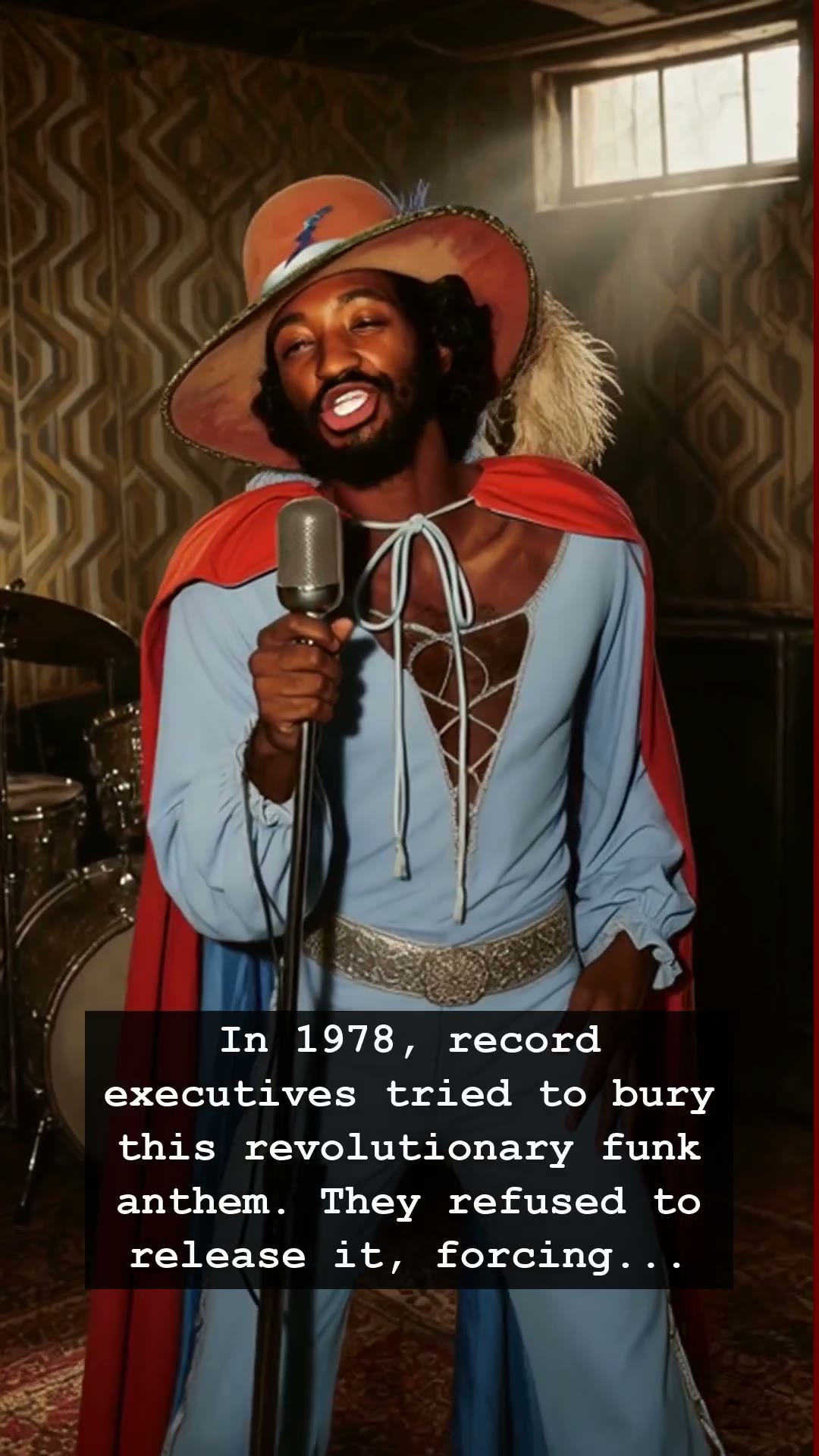
In the golden age of the late 1970s, when the neon glow of Studio 54 defined the cultural zeitgeist, a musical revolution was bubbling beneath the surface, waiting to explode. George Clinton, the eccentric architect of P-Funk, was busy crafting soundscapes that defied the rigid boxes of the record industry. Yet, in 1978, the powers that be decided that his visionary funk anthem was simply too much for the mainstream to handle. They wanted to sanitize the grooves, to clip the wings of the mothership, and ultimately, they tried to bury his record before it could ever hit the airwaves. It is a story of artistic defiance that sounds like a fever dream, yet it remains a pivotal moment in the history of American soul.
Faced with a complete lack of support from executives who deemed their sound too radical and unmarketable, George Clinton and his bandmates in Funkadelic found themselves at a crossroads. The industry machine, often obsessed with the safe, polished hits of the disco era, didn’t understand the psychedelic, raw, and unapologetically black expression that Clinton was channeling. Refusing to let their art perish in a corporate vault, the band took matters into their own hands. They bypassed the traditional distribution channels entirely, turning their vans and car trunks into makeshift retail outlets. Selling records directly to fans in parking lots and on street corners, they proved that a true movement cannot be suppressed by a desk-bound suit.
This era, sandwiched between the fading embers of the Woodstock generation and the rise of the MTV aesthetic, was a wild west for musical innovation. George Clinton embodied this spirit, blending heavy metal guitar riffs with thick, pulsating basslines that would later become the backbone of hip-hop. While the world was listening to the manufactured perfection of pop hits, those who knew better were hunting down Funkadelic records in the back of a beat-up sedan. It was gritty, it was honest, and it was a middle finger to the industry executives who thought they held the keys to the kingdom.
Looking back at that 1978 struggle, it is impossible not to feel a sense of nostalgia for a time when music felt dangerous. The resistance from the labels actually served to strengthen the bond between George Clinton and his cult-like following. It turned the simple act of buying a record into a badge of honor. This wasn’t just about listening to a song; it was about participating in a clandestine ritual of funk that defied the status quo. The sound was thick with soul and dripping with the kind of authentic sweat that no studio engineer could ever replicate.
Today, we look back at the legacy of George Clinton and realize that those rejected anthems became the blueprints for the future of funk. That spirit of independence lives on every time a modern artist decides to challenge the industry standard. The mothership eventually landed, and the world finally caught up to the genius that the labels tried so hard to hide. Do you still remember the way that groove hit you for the first time, when the funk was something you had to seek out in the shadows, rather than being fed it by a playlist algorithm? It remains a testament to the fact that great art will always find its way to the ears that need to hear it most.