
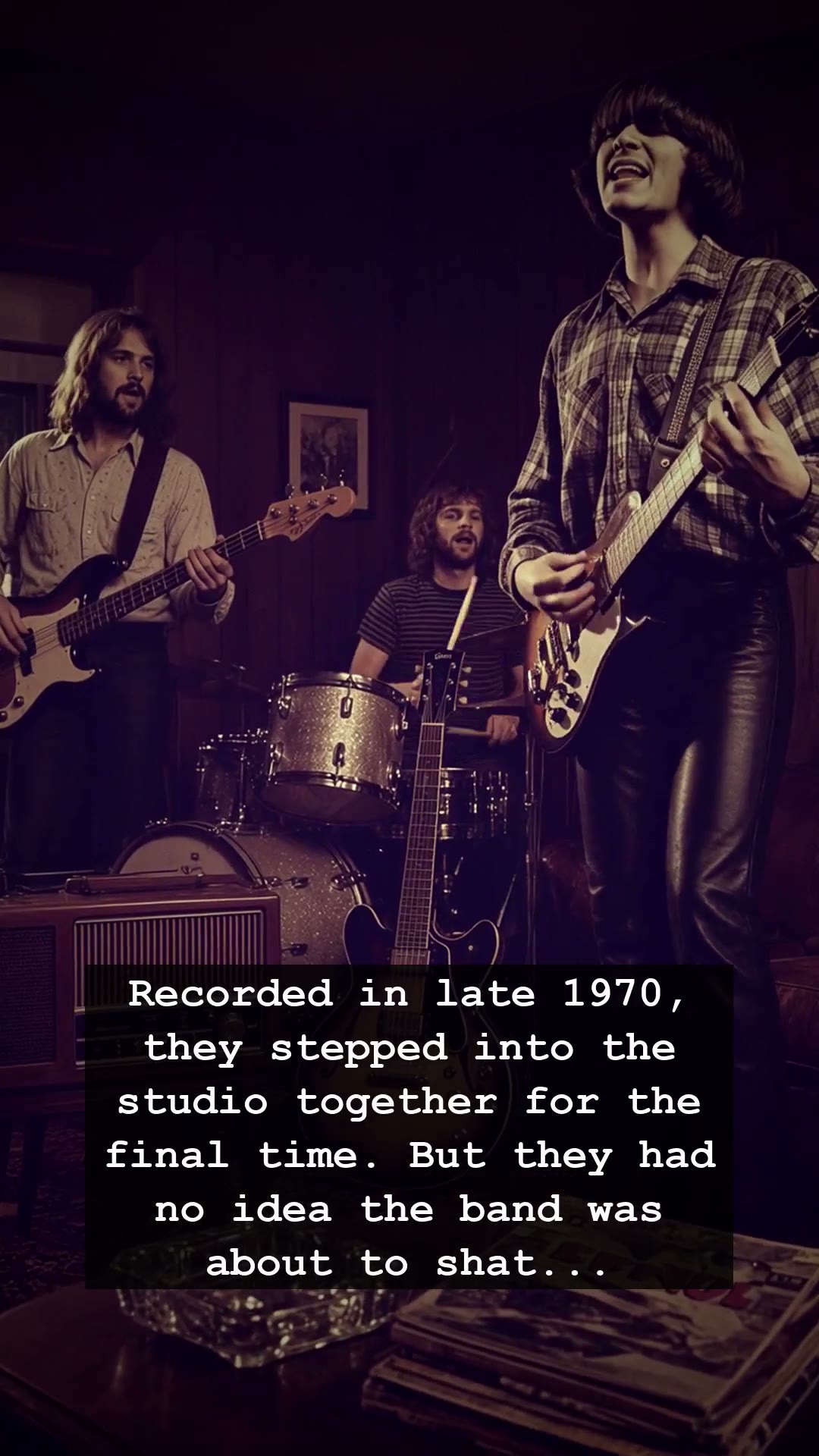
Late 1970. The scent of stale cigarette smoke and expensive vinyl hung heavy in the air of a San Francisco studio. John Fogerty, Tom Fogerty, Stu Cook, and Doug Clifford walked through the doors for what should have been another triumphant recording session for Creedence Clearwater Revival. They were the kings of the charts, the architects of a swamp-rock sound that had defined the late sixties. But as the amps hummed to life, the atmosphere wasn’t electric with creative possibility; it was suffocating with resentment. Little did they know, this was the final time the four men would ever stand together in a room to make music as a band. The silence between takes spoke louder than the lyrics.
The rise of Creedence Clearwater Revival had been meteoric, a working-class dream brought to life through short, punchy anthems like Fortunate Son and Bad Moon Rising. They were the antithesis of the indulgent, sprawling psychedelic rock that dominated the era’s festivals. While others were getting lost in long-winded guitar solos, Creedence Clearwater Revival kept it lean, mean, and deeply American. Yet, behind the radio-friendly hooks, the band was fracturing under the weight of John Fogerty’s creative dictatorship and the internal friction of four brothers and bandmates who had grown tired of living in the shadow of one man’s vision.
As the session dragged on, the cracks that had been forming for years finally widened into a chasm. The brotherhood that once fueled their rise had been replaced by cold legalities and bruised egos. It is a classic, tragic tale of rock and roll excess, not just in terms of substance, but in the exhaustion of the soul. By the time they packed their gear that night, the magic had permanently dissolved. The band that provided the soundtrack for the Vietnam era and the spirit of the Woodstock generation was effectively dead, long before the public heard the final, hollow echoes of their last collaborative efforts.
Looking back from our digital age, the downfall of Creedence Clearwater Revival serves as a poignant reminder of the fragility of fame. In the era of the Jukebox and the spinning turntable, bands were expected to be unified units, but the reality was often a battlefield of conflicting artistic desires. Their story remains a cautionary tale that resonates with anyone who has ever seen a great partnership crumble under the crushing pressure of ego and expectations. It is the dark underbelly of the music industry—where the hits continue to play, but the people behind them are long gone.
Today, we listen to their records with a sense of bittersweet longing for a simpler time, even if the studio walls held secrets of betrayal. The music remains timeless, surviving the messy personal drama that silenced the group forever. As you spin your old records, remember that every groove holds both the joy of creation and the sorrow of the end. Their story lingers in the air, a reminder that even the brightest stars can flicker and fade in the dead of night, leaving behind only the ghost of what might have been.