
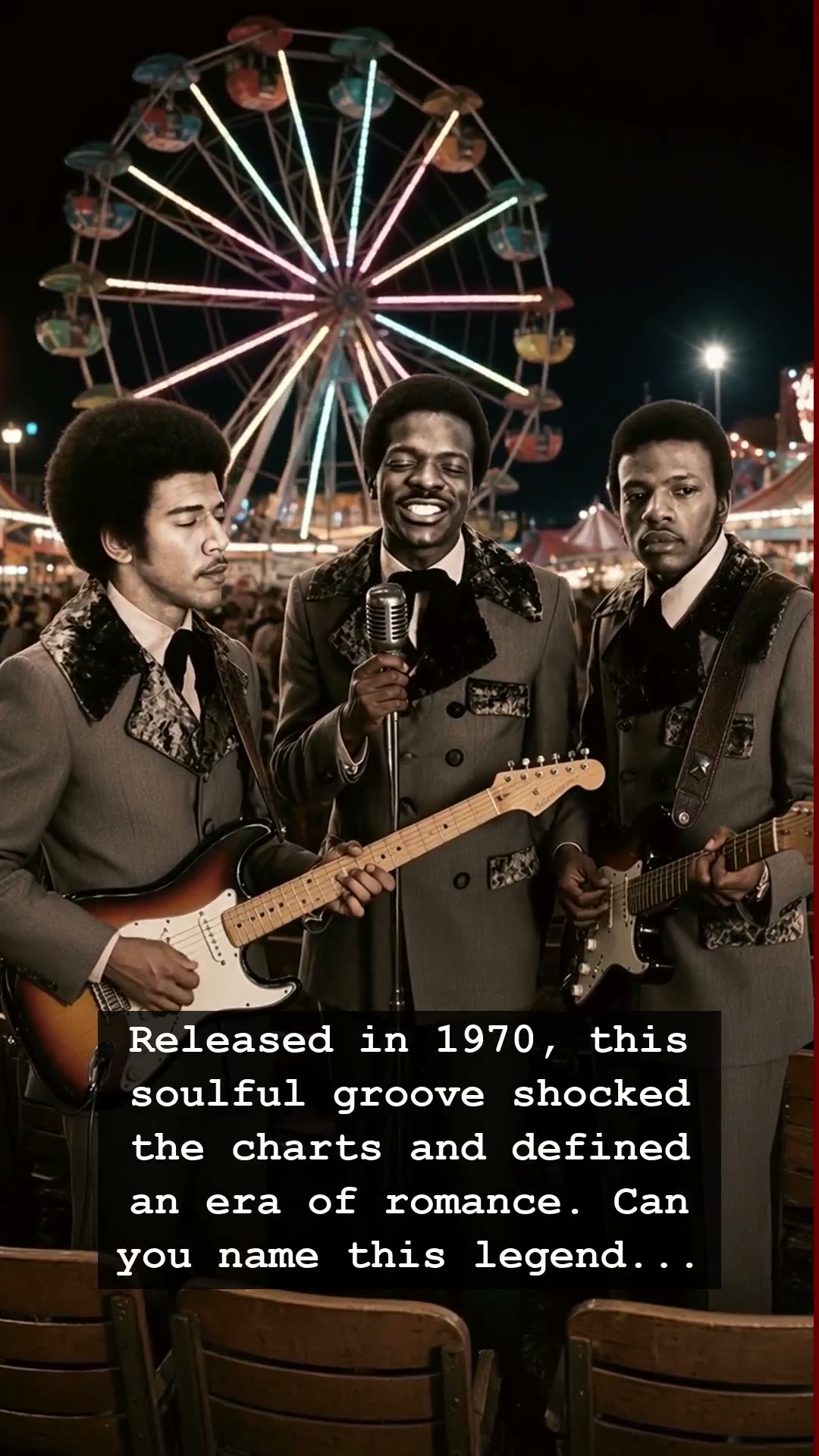
It was 1970, a year caught between the fading idealism of the sixties and the gritty, uncertain dawn of a new decade. In the dim, smoke-filled corners of Philadelphia soul clubs, a sound was emerging that felt like velvet draped over a jagged edge. When The Delfonics released their masterpiece, Didn’t I (Blow Your Mind This Time), they did more than just drop a hit record; they captured the collective heartbeat of a generation falling in and out of love under the neon hum of the city. The track didn’t just climb the charts; it defied the era’s obsession with psychedelic chaos, offering instead a haunting, orchestral elegance that felt timeless from the very first note.
To understand the magic of The Delfonics, one must look at the landscape of American music during that transitionary period. While the airwaves were becoming dominated by the heavy distortion of arena rock and the budding ego of the disco movement, this group held onto the purity of Philly Soul. Led by the unmistakable, airy falsetto of William Hart, The Delfonics functioned like a clockwork machine of romantic yearning. Their songs were the soundtrack of late-night jukebox sessions, the melodies that played softly while couples swayed in dimly lit dance halls, oblivious to the political turmoil raging outside the studio doors.
Yet, the beauty of their music often masked the volatility of their existence. Behind the smooth harmonies lay the intense pressure of the industry—the relentless touring schedules, the battle for royalties, and the internal friction that plagued so many R&B vocal groups of the era. The Delfonics operated in a world where a single smash hit could elevate you to stardom, but the lack of proper management often left artists vulnerable to the shadows of the music business. Despite the drama that simmered behind the scenes, their commitment to the craft never wavered. They were perfectionists, layering strings and horns with a delicate touch that set the blueprint for the soul music that would define the next two decades.
Why does this song still resonate with such visceral power today? Perhaps it is because Didn’t I (Blow Your Mind This Time) captures the universal ache of nostalgia. When you hear that opening swell, you are transported back to a time when music felt like a tangible sanctuary. It evokes the feeling of late-night drives with the windows down, the scratchy texture of vinyl spinning on a turntable, and the bittersweet sting of memories that never truly fade. The Delfonics managed to bottle a specific kind of heartache that transcends age, bridging the gap between the baby boomers who lived it and the younger generations discovering the warmth of analog soul.
Today, we look back at the legacy of The Delfonics not just as musicians, but as architects of a sonic landscape that provided comfort in a turbulent world. Their influence echoes through the samples of modern hip-hop and the revivalist soul scenes, proving that true artistry is never bound by the calendar. As you listen to the haunting melody today, take a moment to drift back to 1970, and let the voice of William Hart remind you exactly what it felt like to be young, hopeful, and lost in the beauty of a golden era.