
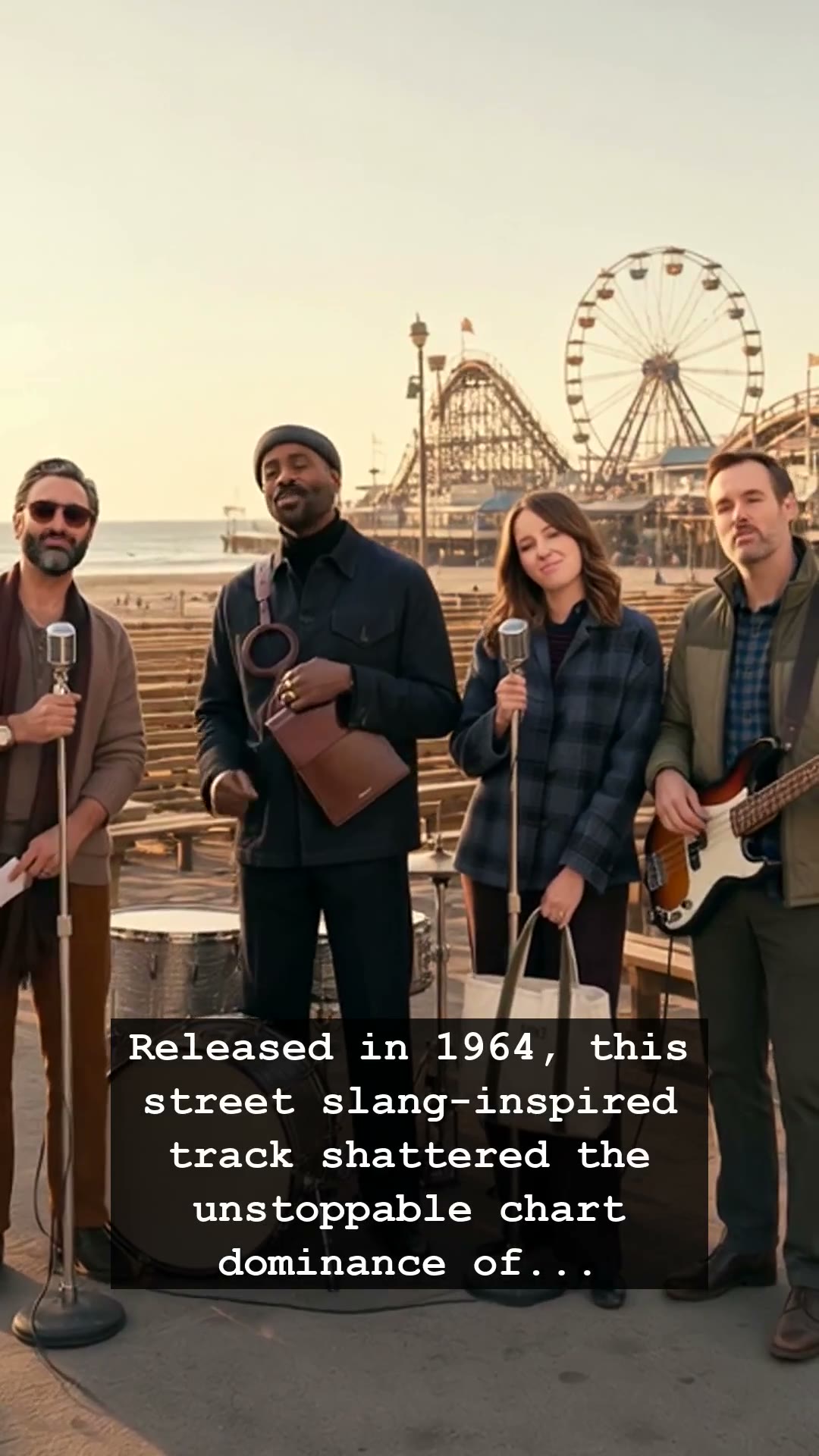
It was 1964, and the world had seemingly been painted in the color of the British Invasion. Every radio station across America vibrated with the mop-top melodies of The Beatles, a tidal wave of sound that felt impossible to resist. But in the gritty, neon-lit corners of New Jersey, Frankie Valli and The Four Seasons were crafting a different kind of magic—one born from street corners rather than concert halls. Their secret weapon? A piece of accidental street slang that would soon become one of the most iconic songs in the history of rock and roll.
The track was Rag Doll, and its origin story is as raw as the asphalt of the city itself. Bob Gaudio, the band’s brilliant songwriter, found inspiration in a chance encounter with a young girl on the street. Her tattered clothes and impoverished state, which local slang dubbed a rag doll, struck a chord that transcended the superficial gloss of mid-sixties pop. When The Four Seasons recorded the track, they weren’t just chasing a hit; they were capturing the authentic, aching pulse of the urban American experience. It was a narrative of empathy wrapped in a catchy, symphonic arrangement that defied the status quo.
When Rag Doll was released, it hit the Billboard Hot 100 like a thunderclap. For a brief, glorious moment, the relentless momentum of The Beatles was interrupted. It was a rare, shocking upset that left the industry reeling. For listeners tuned into their Jukeboxes or spinning 45s on their record players, it was a victory for the homegrown sound of the Northeast. The Four Seasons were not merely a band; they were the soundtrack to a changing America, standing tall against the international phenomenon that had swept the globe. The dramatic clash between the British pop royalty and the rough-hewn charm of Jersey boys defined the tension of that electric year.
Beyond the charts, this era was a pressure cooker of ambition and personal sacrifice. Behind the polished harmonies, the members of The Four Seasons faced the grueling reality of constant touring and the high-stakes gamble of fame. The intensity of their music was a reflection of their own internal dynamics, a brotherhood forged in the fires of back-to-back studio sessions and high-pressure performances. They understood the price of glory, yet they continued to deliver gold records that echoed through the hallways of high schools and the crowded booths of diners across the nation.
Decades later, the resonance of that sound remains undiminished. While the landscape of music has shifted from vinyl to digital, the raw emotion embedded in the vocals of Frankie Valli still possesses the power to transport us back to a time of innocence and drive. Whenever those opening notes hit the airwaves, we are reminded of a period where the music was an epic narrative, a battlefield of melodies, and a testament to the fact that sometimes, the underdogs of the street can truly hold their own against the world. Do you remember where you were when the world turned to the sound of The Four Seasons?