
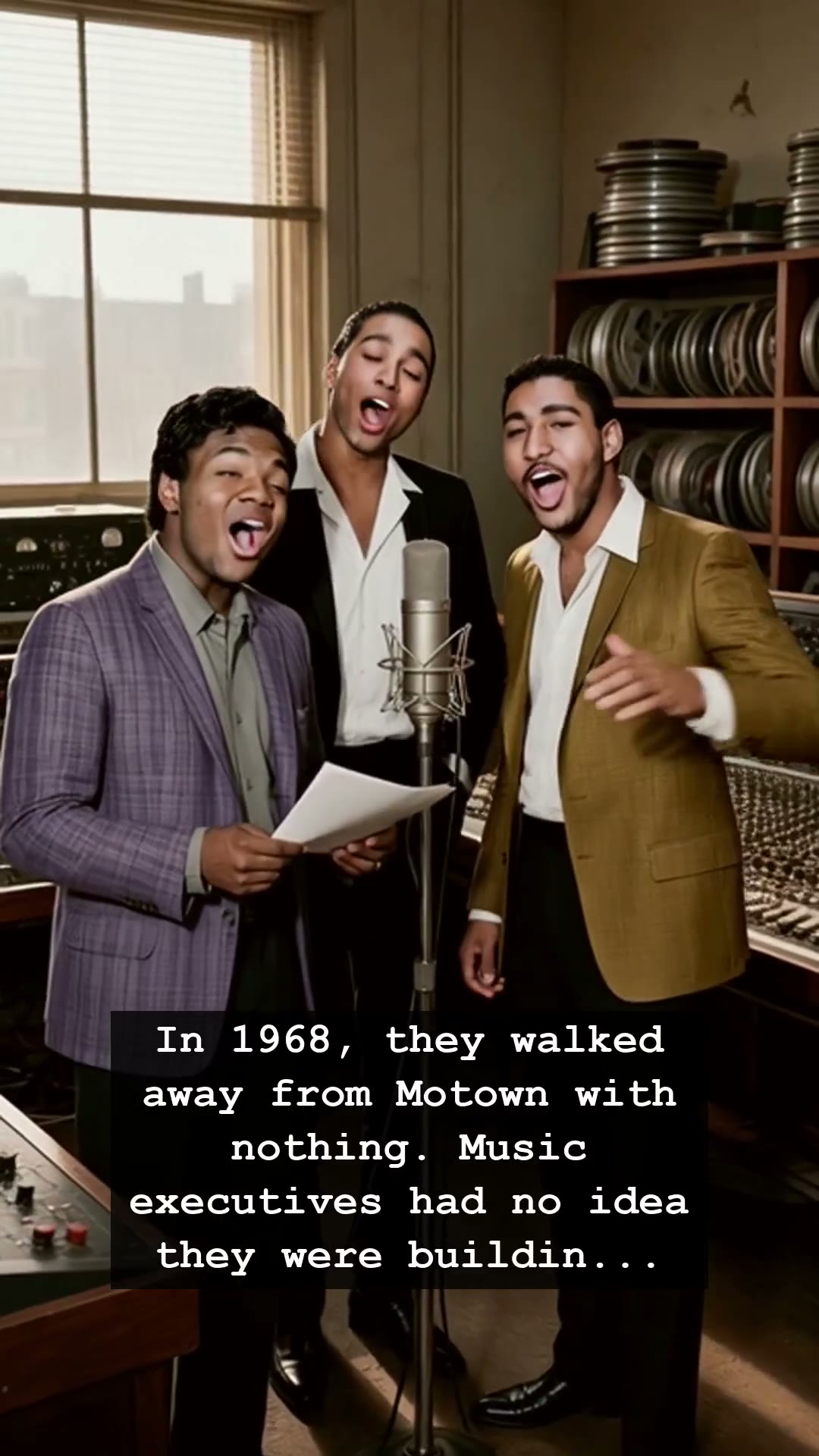
The year was 1968, and the engine of Motown Records felt like it was shuddering to a halt. Behind the golden walls of Hitsville U.S.A., a massive royalty war had reached a boiling point. The creative heartbeat of the label, the legendary songwriting and production trio known as Holland-Dozier-Holland, decided they had finally seen enough. In a move that shocked the industry and left Berry Gordy reeling, Lamont Dozier, Brian Holland, and Eddie Holland walked away from the house that soul built with absolutely nothing. They were walking out of the factory where they had crafted hits for The Supremes and The Four Tops, leaving their massive catalogue behind, armed only with their genius and a burning desire for independence.
While the suits in the boardrooms expected the trio to fade into the dust of obscurity, Holland-Dozier-Holland had a different vision. They didn’t just want to write songs; they wanted to build a kingdom. Before the ink was even dry on their departure, they began laying the foundation for Invictus and Hot Wax Records. It was a secret empire in the making, born from the ashes of a bitter contract dispute. They were the architects of the Motown sound, but now, they were becoming the architects of their own destiny, proving that their creative pulse wasn’t tethered to any single label’s gatekeepers.
The industry watched in disbelief as they immediately struck gold all over again. They understood the soul of the listener because they had defined the soundtrack of the decade. As the era of the jukebox and the transistor radio continued to dominate the American airwaves, Holland-Dozier-Holland managed to translate their signature melodic brilliance into a new, raw, and funky evolution of soul. They were no longer just employees; they were independent moguls who knew how to find the hits that kept the world dancing, even as the cultural climate of the late sixties shifted toward more introspective sounds.
What makes the story of Holland-Dozier-Holland so haunting is how close they came to losing it all. The transition wasn’t just about business; it was a deeply personal fracture. Yet, their ability to pivot without losing their magic remains a testament to the raw talent that filled the studio hallways during the golden age of R&B. They possessed an uncanny instinct for what would resonate with the fans, from the polished pop sensibilities of the early days to the grittier, soul-drenched rhythms that defined their later independent ventures.
Looking back, their defiance reshaped the landscape of the music business forever. By proving that artists could reclaim their value after a corporate fallout, Holland-Dozier-Holland set a precedent for every creative soul who followed. They walked away with nothing but walked back into the history books with everything. Their legacy isn’t just in the number of hit records they produced, but in the courage they showed to bet on themselves when everyone else said they were finished. Close your eyes, listen to a classic soul track from that era, and you can still hear the echoes of their genius vibrating through every single note.