
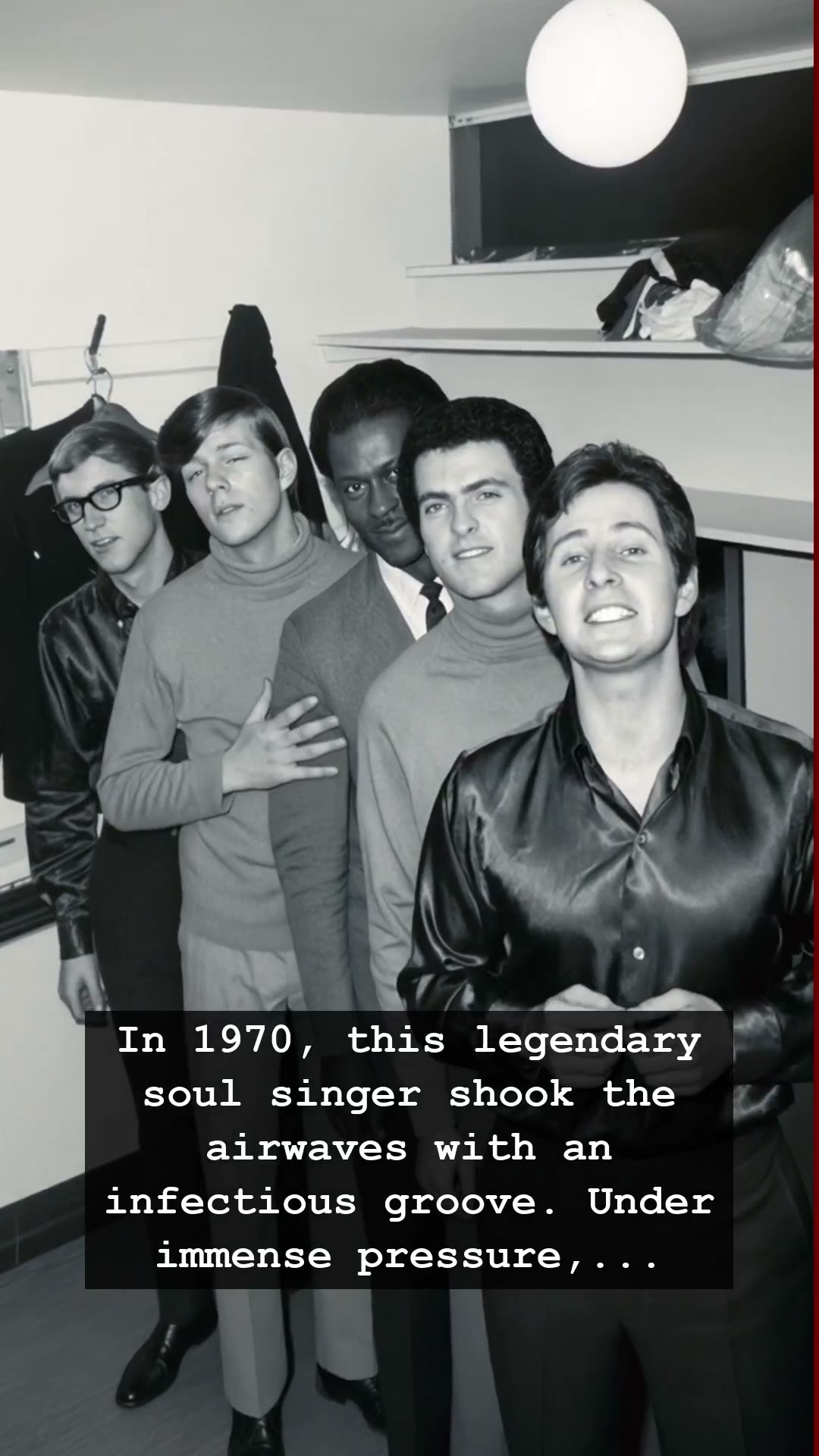
It was 1970, a year where the airwaves were crowded with the fading echoes of psychedelic experimentation and the burgeoning promise of disco. Yet, amidst the chaos of a rapidly changing musical landscape, one man managed to cut through the static with an infectious, undeniable groove that would define a generation of soul. General Johnson, the powerhouse frontman of the Chairmen of the Board, didn’t just record a song; he delivered a sonic miracle that defied the rigid, cutthroat expectations of the Motown-dominated industry. As the needle dropped on the vinyl, the world wasn’t just hearing a rhythm—it was witnessing the raw, unadulterated talent of a soul legend.
The pressure on General Johnson during that recording session was immense. Labels were demanding hit after hit, and the competition to dominate the Jukebox charts was cutthroat. There was a palpable tension in the studio, a sense that one misstep could relegate an artist to the bottom of the bargain bin. But General Johnson thrived under this weight. His voice possessed that rare, raspy texture that could convey heartbreak and jubilation in the same breath. When he stepped up to the microphone to deliver his signature sound, the room went silent. It was a moment of artistic alchemy that transcended the standard pop formulas of the era.
To understand the magic of General Johnson is to understand the soul of 1970s America. The music wasn’t just for listening; it was an escape from the societal pressures that dominated the nightly news. While the world outside was caught in a tug-of-war between shifting cultural values, General Johnson offered a sanctuary of rhythm. His ability to fuse the grit of classic Southern soul with the slick, infectious production of the Northern labels made him a unique architect of sound. Every note he hit served as a bridge between the old-guard blues and the future of R&B, proving that true artistry remains tethered to the human experience.
Beyond the glitz of the stage and the meticulously crafted albums, the life of General Johnson was marked by the kind of quiet intensity that often goes undocumented. He operated in an era where artists were viewed as commodities, yet he fought to retain the soul in his music. There were whispers of internal conflicts, the exhaustion of relentless touring, and the bittersweet reality of having a massive hit while still feeling the sting of industry politics. Yet, whenever he stepped into the light, the persona of General Johnson took over, transforming his private struggles into a public gift that resonated with millions of listeners across the globe.
Decades later, the legacy of General Johnson remains as vibrant as the day the tracks were pressed. His influence ripples through modern soul, reminding us that music is at its best when it is fueled by genuine emotion and tempered by the fires of experience. Whether you encountered his sound through a worn-out record in a dimly lit diner or discovered it later on a digital playlist, the impact is the same. It is a timeless vibration, a testament to a man who understood that a great song is the only currency that truly matters. As we look back, we have to ask ourselves: are we still listening closely enough to the stories he left behind?