
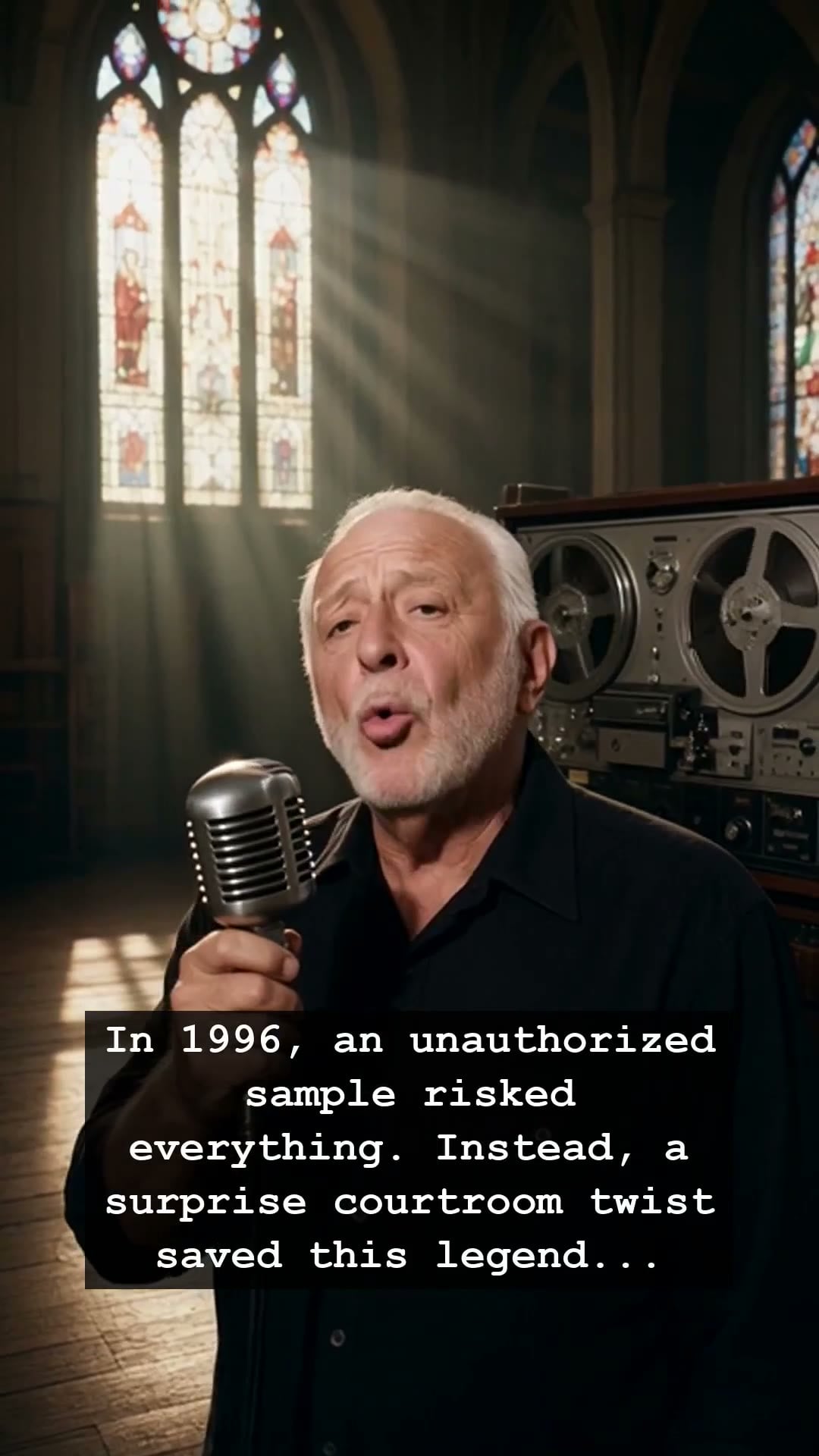
In the mid-nineties, the sound of soul was being resurrected in the grittiest of places. Hip-hop was hungry for the velvet textures of the sixties, reaching back into the crates to find the emotional marrow of the past. But for The Delfonics, a legendary Philly soul trio known for their haunting harmonies and symphonic arrangements, the sudden resurgence of their music in 1996 felt less like a tribute and more like a violation. When an unauthorized sample of their 1968 masterpiece, Ready or Not Here I Come (Can’t Hide from Love), hit the airwaves, it threatened to strip away the dignity of the group’s carefully crafted musical legacy.
The Delfonics had defined the smooth, sophisticated sound of the late sixties, moving listeners with lead singer William Hart’s signature falsetto. They were the architects of a romantic, orchestrated soul style that stood in stark contrast to the harder, street-level beats of the nineties. When their iconic melody was lifted without permission, it wasn’t just a copyright dispute; it was a battle over the soul of their history. The legal storm that followed seemed destined to drag the veterans through a draining court battle, a stark departure from the glamorous days when their hits dominated the jukebox circuit.
Yet, the courtroom drama took a turn that would change the trajectory of the band forever. Rather than a bitter, drawn-out defeat, the legal proceedings ended in a landmark settlement that effectively reintroduced The Delfonics to a brand-new generation. The exposure from the high-profile case acted as a strange, unintentional catalyst. Suddenly, the music that had been fading into the archives of record store dust was being played on MTV, championed by a new wave of producers and fans who had never heard the original soulful swells of the Philadelphia sound before. It was a bizarre, unexpected resurrection sparked by the very thing that was meant to tear them down.
This moment served as a poignant reminder of the cyclical nature of American music history. The Delfonics went from being viewed as relics of a bygone era to being hailed as the godfathers of a sound that modern artists were desperate to emulate. The irony was not lost on their dedicated fanbase, who had long lamented how the era of vinyl and analog warmth was being replaced by cold digital synthesizers. Instead of fading away, the group reclaimed their seat at the table, proving that the emotional weight of their songcraft was far too powerful to be ignored or erased by time.
Today, when we look back at the nineties, we see the echoes of the sixties everywhere. The Delfonics remain a vital thread in the fabric of soul music, their melodies serving as a bridge between the smoky lounges of the past and the boom-bap rhythms of the future. Their story is a testament to the fact that great music, no matter how it is treated, will always demand to be heard. Do you still remember where you were the first time those opening notes captured your heart, or were you introduced to their magic through the crackle of a nineties record? Their voice, like the timeless soul of Philadelphia, continues to echo through the halls of history.