
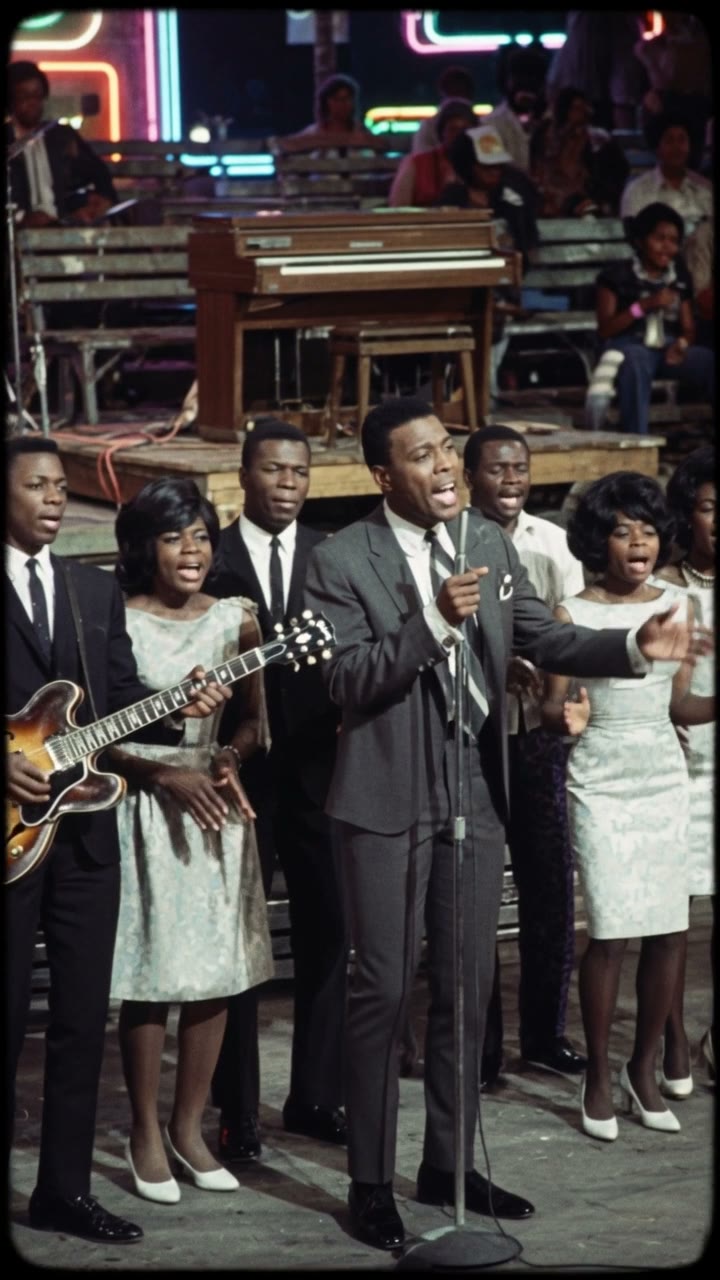
In 1971, the airwaves were filled with the shimmering, polished sounds of Motown, a label known for its hit-making precision and safe, catchy melodies. Yet, behind the velvet curtains of the studio, a storm was brewing. Marvin Gaye, the Prince of Soul, was wrestling with a vision that defied everything the industry stood for. He was crafting an album that his own label executives deemed commercial suicide, a project so politically charged and raw that they feared it would not only alienate his core audience but permanently ruin the career of the most talented voice of his generation. That album was What’s Going On, and it would become the most pivotal moment in his artistic life.
At the time, the world was fracturing. The Vietnam War was tearing through the American consciousness, and racial tensions were reaching a boiling point. While his peers were singing about love and heartbreak, Marvin Gaye felt a moral obligation to document the reality of the streets. When he brought the title track to Berry Gordy, the Motown founder famously called it the worst thing he had ever heard, refusing to release it. The tension in the studio was palpable. For months, Marvin Gaye stood his ground, refusing to record anything else until his truth was allowed to be heard. He risked the stability of his contract, his royalty checks, and his standing as a pop idol to speak for those who had no voice.
Stepping into the studio to record this masterpiece was an act of rebellion. Marvin Gaye traded the standard, clean-cut production of the era for a hazy, melancholic soundscape layered with multi-tracked vocals that felt like a stream of consciousness. It was a departure from the upbeat rhythms that had previously defined his fame. He was tired of the industry’s obsession with plastic perfection. Instead, he wanted to capture the grit of the city, the pain of veterans returning home, and the systemic inequality that was devastating his community. He wanted to be a mirror to society rather than a distraction from it.
When the album finally hit the shelves, the risk paid off in a way that forever altered the landscape of modern music. It was not just a hit; it was a cultural awakening. The record transformed from a feared failure into a timeless testament to human empathy. By choosing truth over safety, Marvin Gaye elevated himself from a mere pop star to a profound social commentator. He proved that an artist could be vulnerable, political, and commercially successful all at once.
Today, we look back at the era of the Jukebox and the spinning vinyl with a sense of romantic nostalgia, but we often forget the courage it took to break the mold. Marvin Gaye did not just record songs; he captured the soul of a decade. His legacy remains as a reminder that the most enduring art is often born from the moments we are most afraid to share. We are still listening to his warning, his plea, and his hope, finding solace in the echo of a man who dared to defy the machine.