
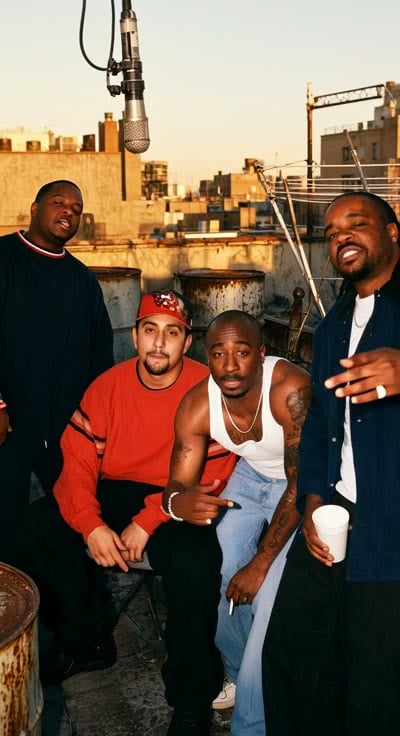
In 1986, the airwaves were dominated by the neon hum of synthesizers and the rise of MTV. Amidst the glitz and commercial polish of that decade, Bruce Hornsby released a quiet, haunting piano ballad titled The Way It Is. It was a song of observation, a reflection on civil rights and the systemic struggles of American society, anchored by a distinct, melancholic piano riff. At the time, it was a chart-topping hit, but no one could have predicted that this introspective track would eventually become the structural backbone for one of the most powerful social anthems in the history of hip-hop.
Fast forward to the early 1990s, an era defined by the crack epidemic, political unrest, and the meteoric rise of West Coast rap. Tupac Shakur, a young, firebrand lyricist with a poet’s soul and a revolutionary’s heart, was looking for a sound that captured the desperation and the beauty of life in the streets. He didn’t reach for the frantic, aggressive beats common in the genre. Instead, he reached back to the 1986 hit by Bruce Hornsby. Tupac Shakur saw something in those piano chords—a sense of weary resignation that he could sharpen into a blade of defiance.
When Tupac Shakur transformed that melody into Changes, he wasn’t just sampling a classic; he was engaging in a cross-generational dialogue. Released posthumously, the song took the gentle questioning of the original track and injected it with the raw urgency of a man who had seen too much. The juxtaposition was startling: the light, jazzy touch of Bruce Hornsby providing a haunting canvas for Tupac Shakur’s gritty, honest reflections on poverty, police brutality, and the slow pace of progress. It was a marriage of two musical worlds that seemed miles apart, yet spoke the same truth.
This collaboration—intentional or not—serves as a bridge between the introspective soft rock of the 80s and the social consciousness of 90s hip-hop. It reminds us of a time when the Jukebox and the Walkman were the primary vessels for our cultural memories. The tragedy, of course, is that Tupac Shakur did not live to see the global impact of the song. However, the connection between these two artists became a hallmark of how music evolves, proving that a simple piano melody can carry the weight of a generation’s frustration for decades.
Today, when those iconic opening notes hit, there is a collective pause. Listeners from the era of Woodstock echoes to the rise of modern digital streaming recognize the resonance. It is a testament to the fact that great art is never truly finished; it is merely waiting for the right moment and the right voice to redefine its meaning. As the haunting chords fade out, we are left to wonder about the other hidden stories buried in our classic record collections, waiting for us to press play once more. Perhaps some songs are destined to never die, but only to change with the tide of history.