
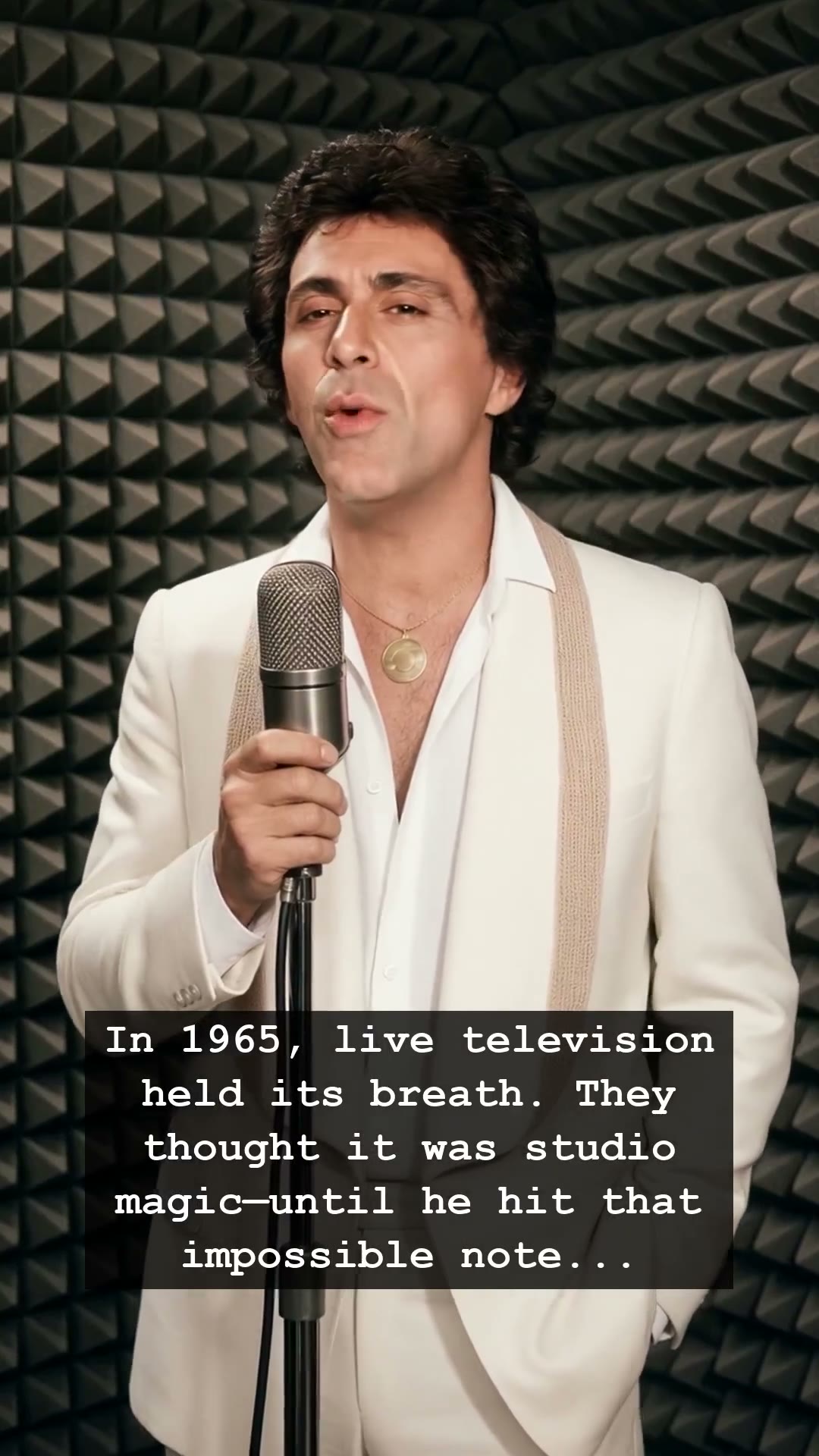
In 1965, a crackling television set was the centerpiece of the American living room. Families gathered around the glowing cathode-ray tubes, waiting for their favorite acts to grace the screen. On that fateful night, the atmosphere in the studio shifted. When Frankie Valli stepped into the light to perform with The Four Seasons, the air grew heavy with anticipation. As he unleashed that soaring, impossible falsetto, the audience did more than listen; they gasped. Millions of viewers across the nation sat frozen, convinced they were witnessing a sophisticated trick of studio engineering. It seemed simply too perfect for live human lungs, yet Frankie Valli was standing right there, pouring his soul into the microphone.
That moment was not just a performance; it was a defining snapshot of the mid-sixties. While the decade was rapidly evolving, oscillating between the fading innocence of the early years and the incoming psychedelic storm, Frankie Valli remained a beacon of vocal precision. The era was defined by the scratchy sound of vinyl records spinning on high-end jukeboxes and the sudden rise of transatlantic pop culture. Yet, in a world beginning to embrace distortion and rebellion, the crystalline purity of the lead singer of The Four Seasons felt like a strange, beautiful anomaly. He defied the gritty transition of the era, proving that raw talent could still stop the world in its tracks.
Behind the golden voice lay the rugged reality of a man born into the tough streets of Newark. Long before the lights of national television and the adoration of millions, Frankie Valli was cutting his teeth in clubs where the applause was scarce and the competition was cutthroat. This background gave his voice a distinct, haunting quality—a desperate kind of beauty that resonated with anyone who knew the weight of ambition. His vocal range was not merely a technical feat; it was a weapon forged in the fires of late-night gigs and constant creative pressure. It was the sound of a man clawing his way out of the shadows and into the spotlight.
Even today, long after the Walkman made music portable and the digital revolution changed how we consume sound, the legacy of that 1965 broadcast endures. It serves as a reminder of an age when live performance mattered, when flaws were exposed and excellence was earned on the spot. Frankie Valli helped bridge the gap between the doo-wop nostalgia of the late fifties and the sophisticated pop architecture of the seventies. His influence is woven into the very fabric of American music history, lingering in every high note that dares to reach for the heavens.
As we look back at the footage from that night, we aren’t just watching a singer; we are watching a relic of a time when melody was king. Frankie Valli taught a generation that voice, properly channeled, can be as powerful as any electric guitar or pyrotechnic display. Whether you grew up tracking his hits on the radio or discovered the magic through the lens of history, one thing is certain: that voice remains an untouchable standard. The next time you find yourself humming those iconic melodies, remember the man who stood on a stage in 1965 and left the entire world speechless.