
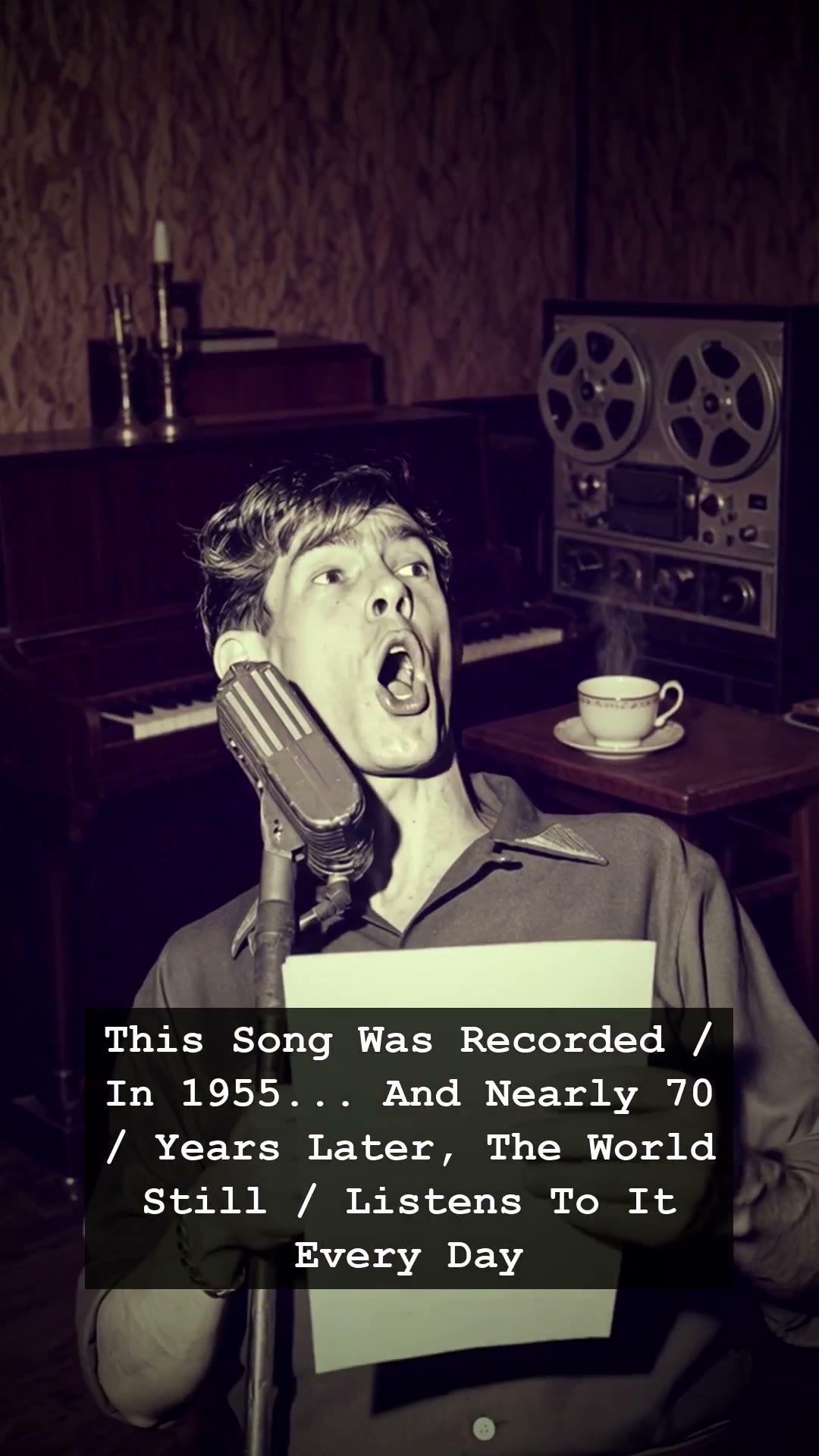
It was 1955, a time when the crackle of a vinyl record on a jukebox could define the entire atmosphere of a dimly lit diner. Before the era of MTV and the rebellious roar of psychedelic rock, music was about the raw, unfiltered honesty of a voice reaching for a lover. In that golden age, a song was released that seemed destined to be a fleeting radio hit, yet here we are, nearly 70 years later, still haunted by its opening notes. We are talking about the timeless Unchained Melody, a track that transcended its humble origins to become a permanent fixture in the soundtrack of human heartbreak and devotion.
While many think of the iconic film Ghost when they hear those soaring strings, the history of Unchained Melody begins in the mid-1950s. Originally written for a low-budget prison film, the song was quickly picked up by various artists, including the velvet-voiced Les Baxter and the legendary Al Hibbert. But it was the emotional vulnerability inherent in the composition that caught fire. During the 1950s, male pop singers often maintained a polished, untouchable persona, yet this track required something different. It demanded a performer who could strip away the vanity and lean into the desperation of longing. It was not just a song; it was a plea for connection in an era that was rapidly changing.
Back then, the music industry was a different beast. There were no digital streams or viral social media moments. Success was earned through the glow of a Jukebox in a corner bar or the intimate broadcast of a local radio station. When the song hit the airwaves, it did not just climb the charts; it seeped into the cultural consciousness of the post-war generation. It spoke to the men returning home and the women who had waited for them, grounding the sweeping romance of the decade in a melody that felt like a secret confession whispered in the dark.
What makes Unchained Melody so legendary is its defiance of time. Throughout the decades, from the smoky clubs of the sixties to the experimental sounds of the synth-pop eighties, the song remained a lighthouse. Even as grunge began to dismantle the structures of mainstream pop and the Golden Age of Hip-Hop redefined the streets, this 1955 classic remained untouched by trends. It represents the pinnacle of 1950s pop music—a period defined by grand melodies and the belief that a well-written song could bridge any divide between two people.
We still listen to it every day because we are still looking for that same level of sincerity in our modern, cluttered world. The song reminds us of a time when life moved at the speed of a needle traversing a spinning disc. It captures the essence of a decade that gave us the birth of true rock and roll but kept its heart firmly anchored in the romantic ballad. As we look back at the history of these 1950s icons, we realize that some voices simply never fade. Whether you heard it on a scratchy record player or a high-end speaker, the message remains exactly as it was seven decades ago: eternal, breathless, and utterly unforgettable.