
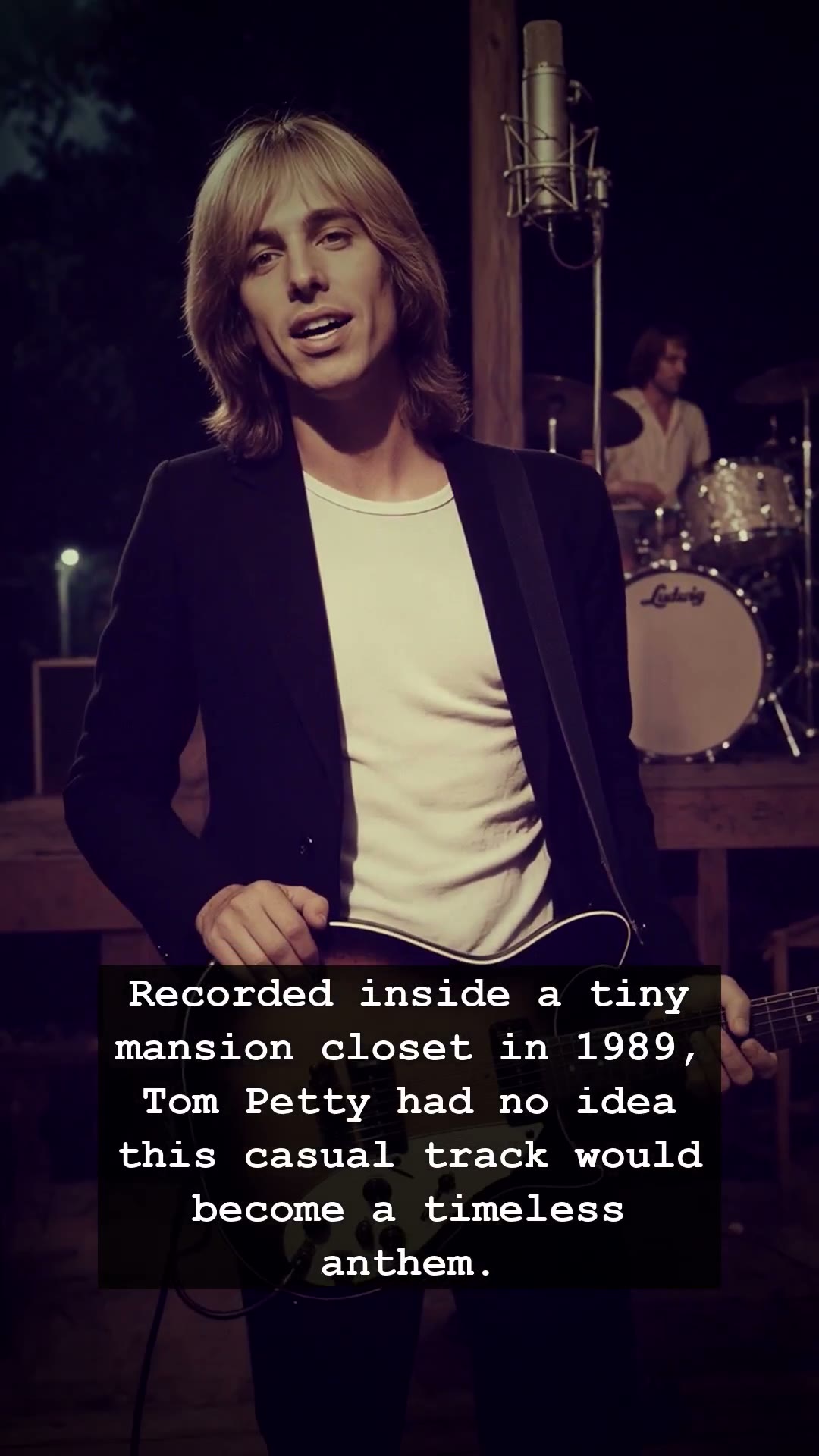
The year was 1989, and the airwaves were dominated by the neon glitz of synth-pop and the rising tide of hair metal. Yet, in a cramped, stuffy closet of a mansion in Los Angeles, Tom Petty was busy dismantling the excess of the decade. He did not know it then, but the casual, almost tossed-off lyrics he was scribbling would soon cement his status as a rock and roll deity. The track was Free Fallin, a song that would define a generation and outlive the MTV trends that were scrambling to keep up with the changing cultural landscape.
Tom Petty had always possessed a knack for finding the profound in the ordinary, but this particular session felt different. Stripped of the massive production budgets that defined late eighties studio culture, the atmosphere was intimate and raw. Accompanied by his friend and collaborator Jeff Lynne, Petty sat in that makeshift recording space, playing around with simple chords that felt like an exhale after years of pressure. There were no ego-driven grand designs, just the weary, soulful voice of a man who understood the loneliness inherent in the American Dream. He was capturing lightning in a bottle, and the world was entirely unaware that a timeless anthem was being born in the dark.
As the nineties approached, the industry was shifting, moving away from the stadium anthems of the seventies toward a more cynical, grunge-soaked reality. But Tom Petty remained a bridge between eras. He carried the spirit of the old-school troubadours, blending the heartland rock aesthetic with a sharp, modern sensibility. Listening to Free Fallin today feels like stepping into a time machine, back to an era where the Walkman was your only companion and the radio felt like a heartbeat. It resonates because it is honest; it does not try to be cool, it simply exists as a perfect, melancholic observation of life on the boulevard.
The genius of Tom Petty lay in his refusal to play the fame game by anyone else’s rules. While his peers were often lost in the hazy excess of the rock lifestyle, Petty maintained a grip on his songwriting that was both disciplined and deeply emotional. The backstory of that closet recording is a reminder that the best art often emerges from the simplest environments. It was not the expensive studios of Hollywood or the flashbulbs of the tabloids that made the song iconic; it was the quiet determination of a songwriter who knew exactly how to make a broken heart sound like a melody.
Decades later, the legacy of Tom Petty continues to echo through the halls of music history. Whether you first heard the song on a crackling car radio or discovered it years later through the lens of nostalgia, the impact remains undeniable. It captures the bittersweet ache of youth and the inevitability of moving on. As we look back at the shifting tides of the twentieth century, we realize that Tom Petty did more than just write a hit; he provided the soundtrack for our collective yearning. So, the next time those opening notes play, lean in and listen close—you might just hear the ghost of a man in a closet, changing rock music forever.