
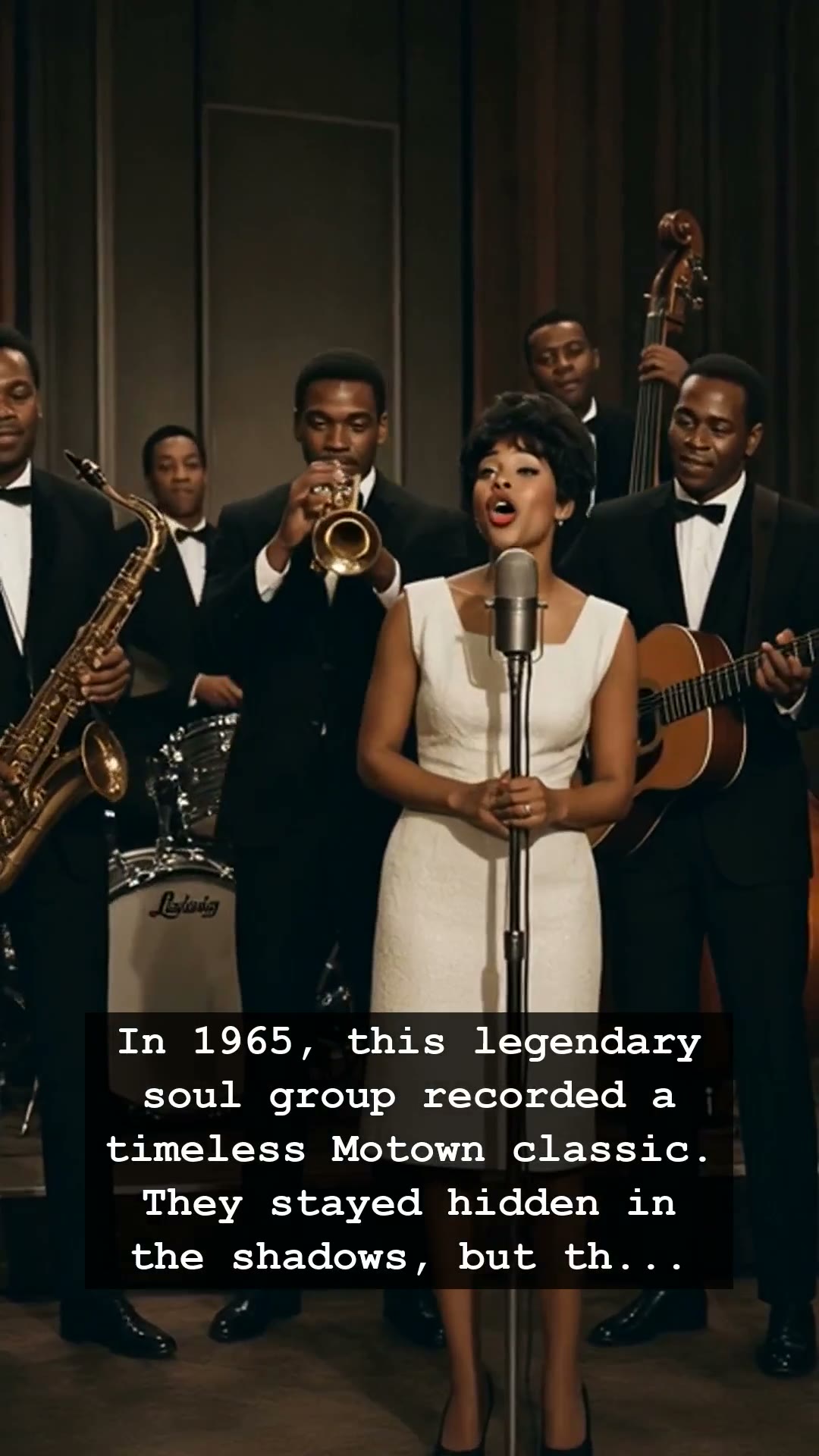
In the golden age of 1965, the airwaves were dominated by the shimmering, polished hits of Motown. While the world danced to the tracks of The Temptations and The Supremes, a vocal powerhouse was secretly crafting a masterpiece in the shadows. The Elgins were the industry’s best-kept secret, a group whose harmonies defined the raw, unadulterated soul of the mid-sixties, yet they remain one of the most enigmatic chapters in music history. Their story is not one of stadium lights and gold records, but of talent that burned bright, flickered, and vanished before the mainstream could truly grasp their brilliance.
Imagine walking into a dimly lit studio in Detroit, the floorboards vibrating with the sound of a rhythm section that would soon change the world. The Elgins, led by the incomparable Johnny Dawson, brought a gritty, gospel-infused depth to their recordings that stood in stark contrast to the slick, choreographed pop of the time. When they stepped up to the microphone to record timeless gems like Darling Baby, they weren’t just singing; they were pouring the sweat, heartbreak, and resilience of the Motown era into every syllable. It was the sound of a jukebox culture coming of age, a visceral experience that captured the essence of midnight urban escapades and broken hearts.
Despite their undeniable vocal chemistry, The Elgins suffered the tragic fate of many groups trapped in the machinery of hit-making labels. As Motown focused its massive marketing muscle on its marquee names, The Elgins were pushed to the periphery. The industry was a brutal landscape where visibility often meant the difference between legend and obscurity. While their tracks played in clubs and through crackling transistor radios, the faces behind the voices were rarely known to the masses. They became ghosts in the machine, their legacy fading into the tapestry of the decade as the sounds of the Vietnam era and changing cultural tides took hold.
What makes the story of The Elgins so hauntingly beautiful today is the pure, unfiltered emotion embedded in their discography. Unlike the manufactured pop stars of later generations, their output was deeply authentic, reflecting a time when soul music was still finding its identity in the crucible of soul and R&B. Listening to their recordings now, one can almost smell the hair pomade and see the flickering neon signs of a long-gone Detroit street corner. They represent the countless unsung heroes who provided the soundtrack to a generation, yet never saw their own names in lights.
Decades later, the echo of The Elgins continues to resonate with collectors and soul aficionados who seek the genuine article. They remain a reminder that not all brilliance is destined for the Hall of Fame, but that doesn’t make the music any less significant. Their legacy is etched in the grooves of dusty vinyl records, waiting to be rediscovered by a new generation of ears. The next time you find yourself lost in the smooth, soulful melodies of the mid-sixties, take a moment to listen for the voices that history almost forgot. The Elgins are still singing, if only you stop to listen.