
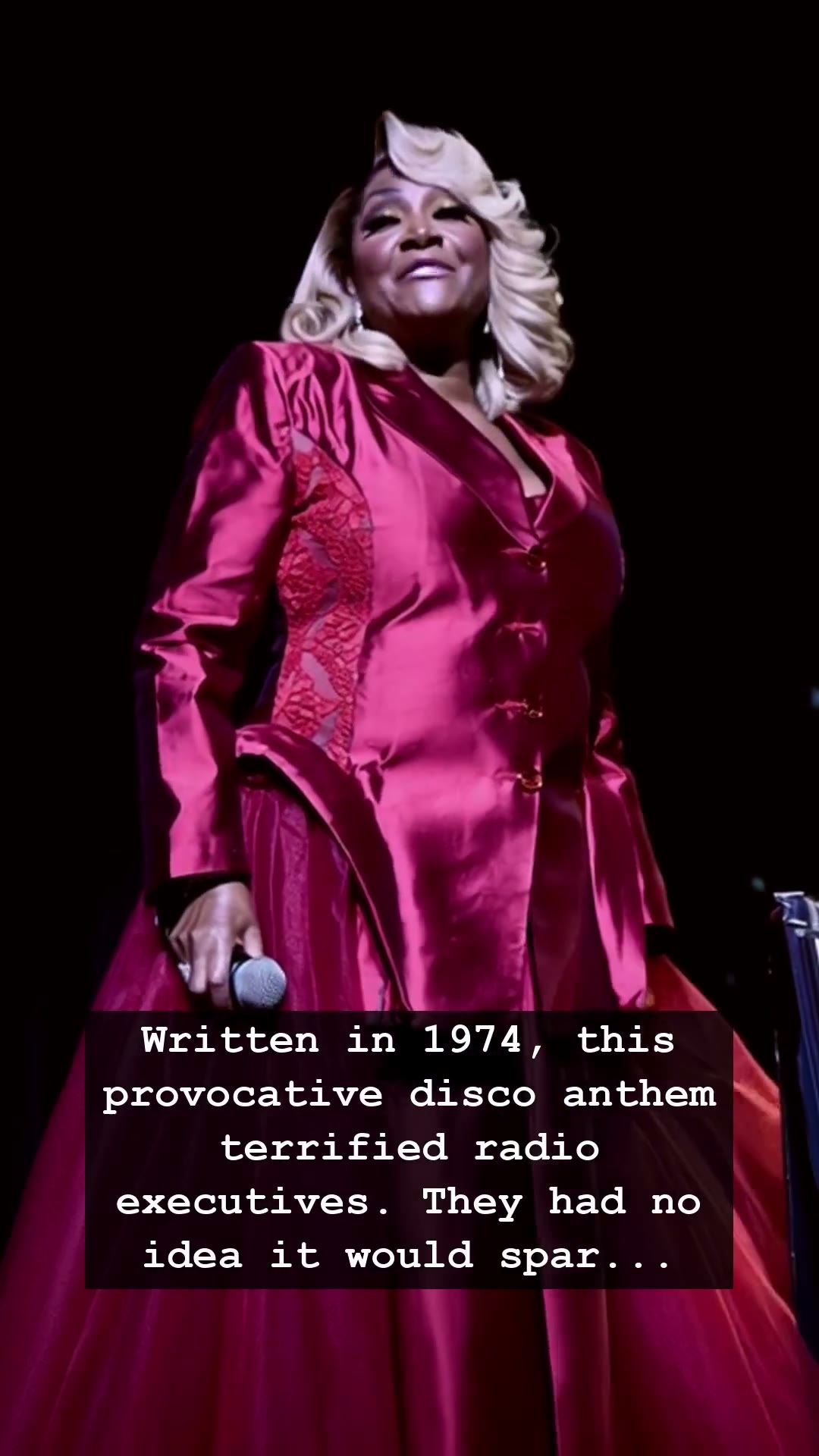
In the smoke-filled air of a 1974 recording studio, a track was born that would make radio executives break into a cold sweat. It was a time when the Jukebox reigned supreme and the burgeoning disco scene was just beginning to pulse under the neon lights of underground clubs. Labelle, the iconic trio featuring Patti LaBelle, Nona Hendryx, and Sarah Dash, stood on the precipice of musical history. They were about to release a song that was far more than just a dance floor filler; it was a daring, provocative anthem that threatened to tear down the moral boundaries of mid-seventies radio airplay.
The song, of course, was Lady Marmalade. When the demo first reached the desks of station managers, the reaction was immediate and visceral. It was not just the driving, infectious rhythm that caught their attention; it was the whispered, mysterious French refrain that promised a night of unbridled indulgence. The executives were terrified. They whispered among themselves, convinced that the explicit nature of the lyrics was far too scandalous for the delicate sensibilities of the mainstream American public. In their eyes, the track was a liability, a cultural landmine waiting to detonate in the middle of their carefully curated playlists.
Yet, Labelle understood something that the industry gatekeepers did not. They were channeling the raw, unfiltered energy of an era defined by liberation and the grit of urban nightlife. Nona Hendryx, the visionary behind much of the group’s edginess, brought a rock-infused soulfulness that elevated the disco track into something transcendent. When the record finally hit the airwaves, the public did not recoil in horror as the executives had predicted. Instead, they were captivated. The song became an unstoppable global phenomenon, turning Labelle into the queens of a new, sultry disco revolution that refused to apologize for its own desire.
Looking back, the success of Lady Marmalade is a testament to the power of artistic rebellion. It captures a fleeting, electric moment in history when music could still shock, when a single chorus could bridge the gap between the underground drag scene and the top of the Billboard charts. Labelle proved that controversy could be the ultimate catalyst for creativity. They moved through the industry with a boldness that defined the mid-seventies, turning a risky gamble into a permanent staple of musical history that resonates just as sharply today as it did decades ago.
The legacy of Labelle remains etched into the fabric of the disco era, a reminder of the fierce women who dared to push the dial. Every time those famous opening chords strike, we are transported back to a world where glamour met grit, and where a provocative whisper in French could change the trajectory of pop music forever. Do you remember where you were when the world first started singing along to their secret?