
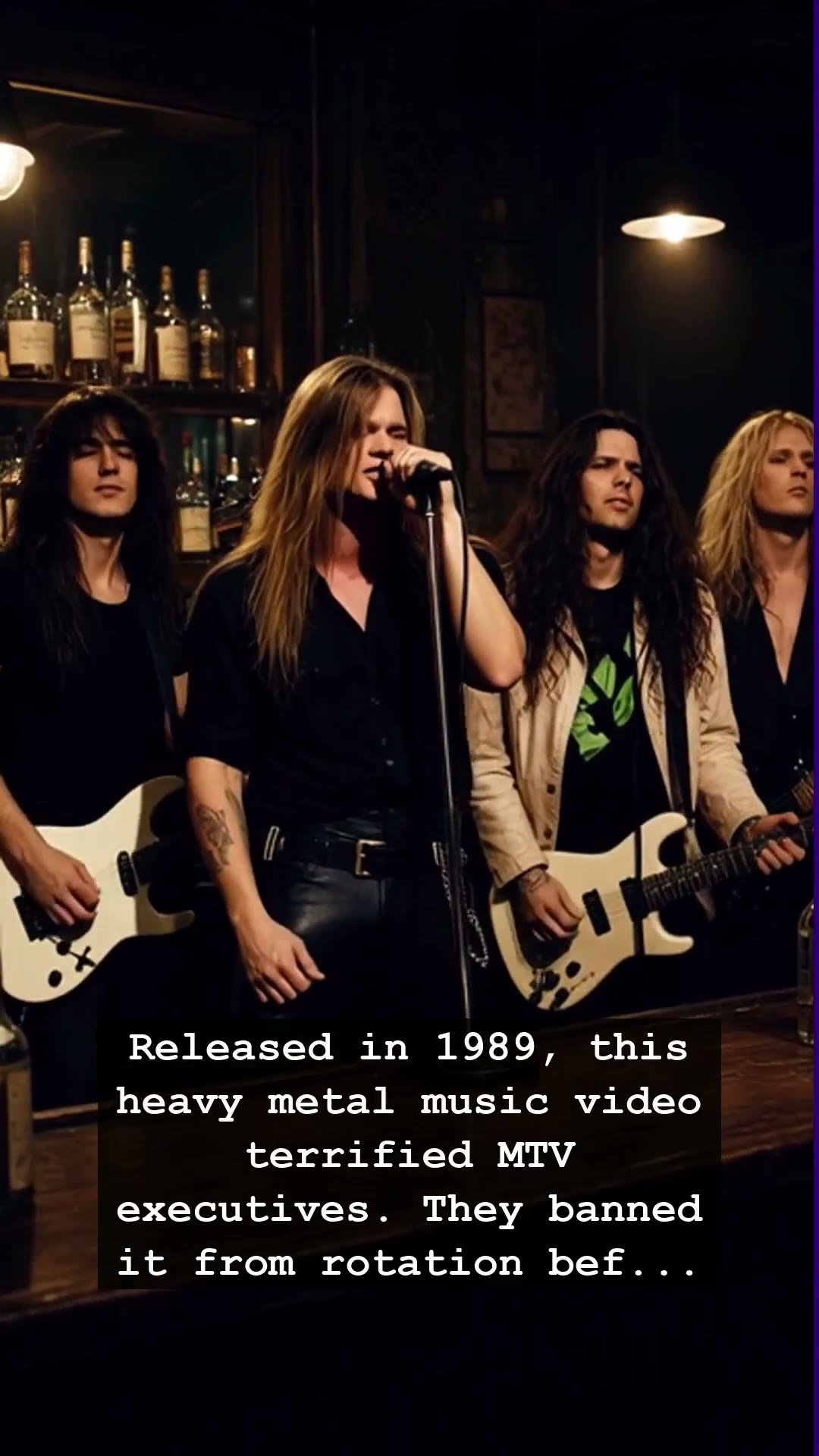
In the golden age of hair metal, when neon spandex and big hair dominated the airwaves, one band dared to bring the grit of the streets directly into the polished living rooms of America. It was 1989, and Skid Row was a band on the precipice of global superstardom. They had the look, the sound, and the raw, unadulterated energy of five guys who had nothing left to lose. But their breakthrough track, 18 and Life, came with a visual accompaniment that sent shockwaves through the industry. When the executives at MTV first laid eyes on the music video for this iconic anthem, they were not impressed; they were terrified. They saw a dark, harrowing depiction of youth incarceration and the tragic consequences of recklessness that didn’t fit the upbeat, party-centric mold of the network at the time.
To understand the magnitude of this confrontation, one must remember the landscape of late eighties music television. MTV was the gatekeeper of cool, and they generally preferred videos that showcased pyrotechnics, glamour, and the high life at places like Studio 54 or local rock clubs. Skid Row, however, chose to tell a story of a kid named Ricky who got caught up in a cycle of crime, ultimately facing a life sentence behind bars. The band wanted to peel back the curtain on the harsh realities hidden beneath the shiny veneer of the era. The network executives demanded edits, fearing the stark, cinematic realism of the video would alienate the advertisers who were busy selling the dream of the walkman-carrying, hair-sprayed youth culture.
Sebastian Bach, the band’s charismatic and volatile frontman, stood at the center of this firestorm. His voice was a piercing siren of teenage angst, and his on-screen presence was electrifying yet dangerous. He wasn’t just performing; he was embodying the frustration of a generation of kids who felt forgotten by society. The conflict between the band’s artistic vision and the network’s strict censorship policies created a tense, dramatic standoff. MTV initially banned the video from heavy rotation, sparking a war of wills. But they had severely underestimated the hunger of the audience. The fans didn’t want sanitized pop; they wanted the soul-crushing truth that Skid Row was shouting from the rooftops.
Eventually, the sheer force of the song and its hauntingly realistic imagery became impossible to ignore. As the track skyrocketed up the charts, MTV was forced to relent, turning 18 and Life into one of the most requested videos in music history. It transformed Skid Row from New Jersey rockers into arena-filling legends overnight. The success of the video proved that there was a massive, untapped market for music that explored the darker corners of the human experience, paving the way for the grungier, more introspective sound that would soon follow in the nineties.
Looking back, the story of Skid Row and their battle with MTV serves as a poignant reminder of a transitional moment in music history. It captures the exact second where the excess of the eighties began to collide with the raw, emotional honesty of the coming decade. The legacy of that video persists not just because of the catchy guitar riffs, but because it dared to make the audience feel uncomfortable in a way that felt deeply, achingly real. It remains a testament to the power of a song to challenge the status quo, reminding us all that sometimes, the music that changes the world is the kind that executives are most afraid of. Perhaps it is time to dig out those old records, turn up the volume, and remember a time when rock and roll was truly willing to start a riot.