
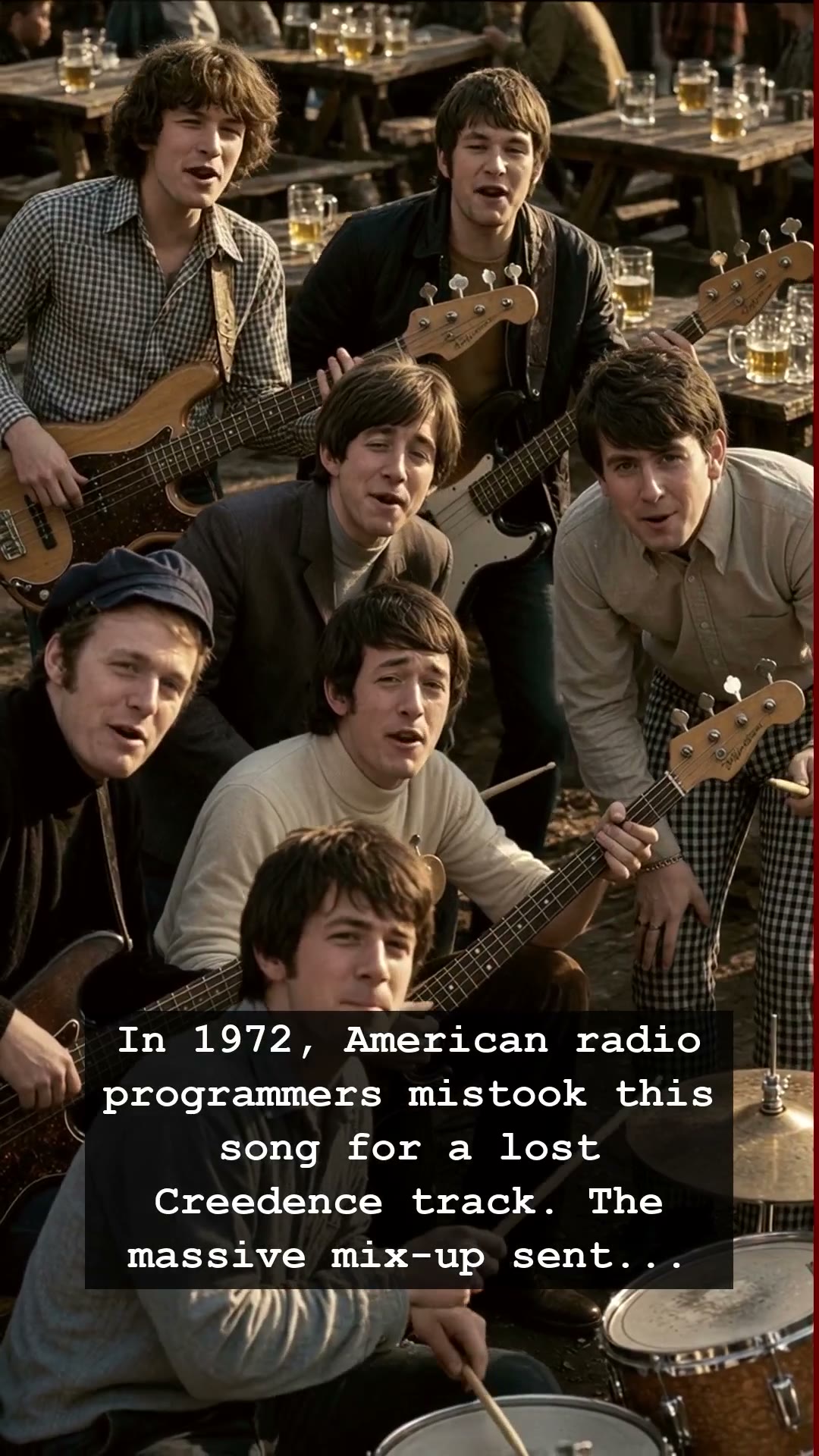
Picture the scene: it is 1972, the air is thick with the scent of vinyl and cigarette smoke, and a brand-new track hits the airwaves across American radio stations. As the gritty, swamp-rock guitar riff echoed through speakers, listeners and radio programmers alike were convinced they were hearing a lost gem from Creedence Clearwater Revival. They were so certain that this mystery track belonged to John Fogerty and his band of swamp-rock icons that it created an instant, inexplicable fervor. The song was actually Long Cool Woman (in a Black Dress) by the British band The Hollies, and the resulting identity mix-up would become one of the most fascinating tales in the history of chart-topping rock music.
For a band like The Hollies, who had spent the better part of the sixties crafting lush, vocal-heavy pop harmonies that defined the British Invasion, this shift in sound was a radical departure. Driven by a desire to capture a more rugged, American aesthetic, they traded their signature polished sound for something dark, mysterious, and undeniably rhythmic. When they unleashed this track, they were not just changing their musical direction; they were essentially tricking the industry. It was a beautiful, accidental deception that proved just how powerful a raw sound could be when it hit the right ears at the perfect moment.
The irony of the situation lies in the fact that Creedence Clearwater Revival was at the peak of their cultural influence, dominating the airwaves with their own brand of Americana. When The Hollies released their track, the confusion was immediate. Programmers assumed the swampy, reverb-drenched guitars could only have been forged in the deep South of the United States. This misunderstanding acted as a secret catalyst, driving the single straight to number two on the Billboard Hot 100. It is a testament to the fact that in the golden age of rock, it was the sound that ruled, regardless of where the musicians actually hailed from.
Beyond the charts, this moment captures a specific, golden sliver of 1972. It was a time when the Jukebox was the heart of every local diner, and the radio was the primary portal to a larger, wilder world. Long Cool Woman (in a Black Dress) became a staple of those days, a song that commanded attention the moment the needle hit the groove. The Hollies had inadvertently tapped into a collective subconscious, proving that if you channel the right energy, the audience will follow, even if they think they are listening to someone else entirely.
Looking back, the story remains a nostalgic favorite for those who remember the grit of seventies rock. It reminds us of a time when mystery and word-of-mouth fueled the success of a song, long before the algorithmic precision of today. The Hollies may have started as masters of harmony, but with this singular, mistaken masterpiece, they etched their name into the annals of swamp-rock royalty. As we spin these old records today, the song remains just as hypnotic, a lingering echo of a time when a simple case of mistaken identity could turn a band into American legends.