
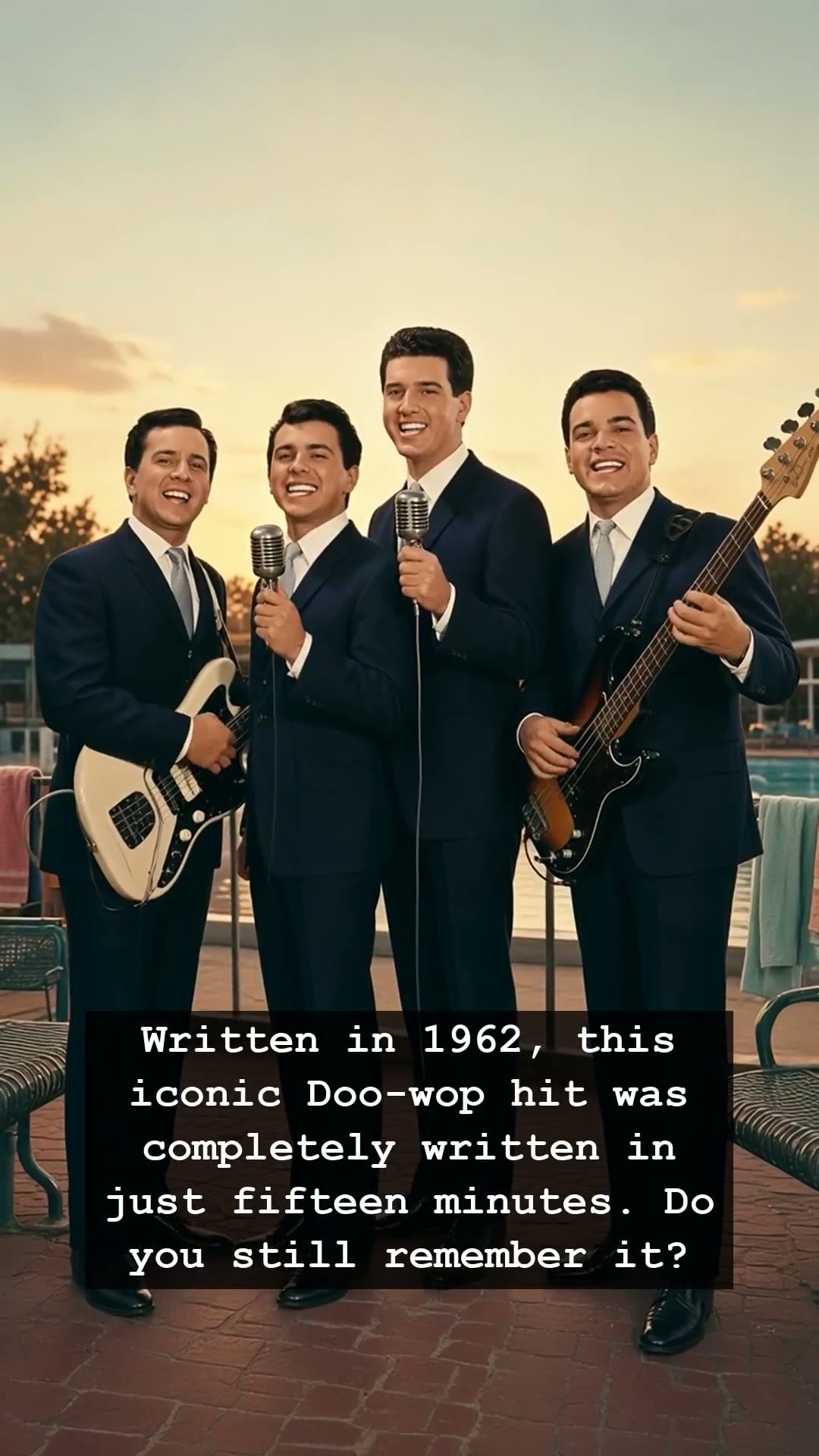
It was 1962, the world was spinning in the golden glow of the jukebox era, and the airwaves were about to be electrified by a sound that felt like pure velvet. Legend has it that one of the most iconic anthems of the decade was born in a frantic, lightning-fast burst of creativity that lasted no longer than fifteen minutes. This wasn’t a calculated studio production designed by a boardroom; it was a sudden stroke of genius from The Four Seasons. When Frankie Valli and his bandmates sat down to write this hit, they had no idea they were capturing the heartbeat of a generation, turning a brief moment in a cramped room into a piece of musical history that would echo through the decades.
The Four Seasons, with Valli’s unmistakable, soaring falsetto at the helm, were the quintessential architects of the early sixties sound. Before the world was consumed by the psychedelic chaos of the late sixties or the glitter of the disco age, these men were defining the American radio experience. They represented a bridge between the polished harmonies of the fifties Doo-wop scene and the gritty, high-stakes pop success that would soon define the Motown era. The mystery of how such a timeless track could be penned in mere minutes highlights the sheer raw talent and intuition that defined the group during their meteoric rise.
Back then, the music industry was a different beast entirely. It was an age of vinyl records, AM radio, and the anticipation of seeing a name appear on the Billboard charts. For The Four Seasons, life was a whirlwind of late-night recording sessions and grueling cross-country tours. The drama often hid beneath the polished suits and synchronized dance steps—the pressure to repeat success was immense, and the internal frictions of a band struggling to find a consistent identity were very real. Yet, in that fifteen-minute window in 1962, all that pressure melted away, leaving behind a melody so infectious it became the backdrop for countless first dances and summer memories.
What makes this story resonate so deeply today is the authenticity of the struggle behind the glamour. We often look back at the era of the transistor radio and the classic hit as a simple time, but for the members of The Four Seasons, it was a daily grind of ambition and artistic vulnerability. They were not just pop stars; they were storytellers who understood that a great song needed only three chords and a soul-piercing vocal performance to change the world. Their ability to distill human emotion into a radio-friendly package is exactly why we still spin their records on high-end turntables today, decades after the original magic happened.
As you listen to the familiar opening notes, try to imagine the haze of the studio and the urgency of the moment. It is a reminder that some of the best art doesn’t come from years of agonizing, but from a spontaneous spark that catches fire. Even today, the legacy of The Four Seasons remains untarnished, proving that even a fifteen-minute wonder can achieve a kind of immortality. So, the next time you find yourself humming along to this masterpiece, remember the speed with which it arrived and the enduring power of a perfect, timeless melody.