
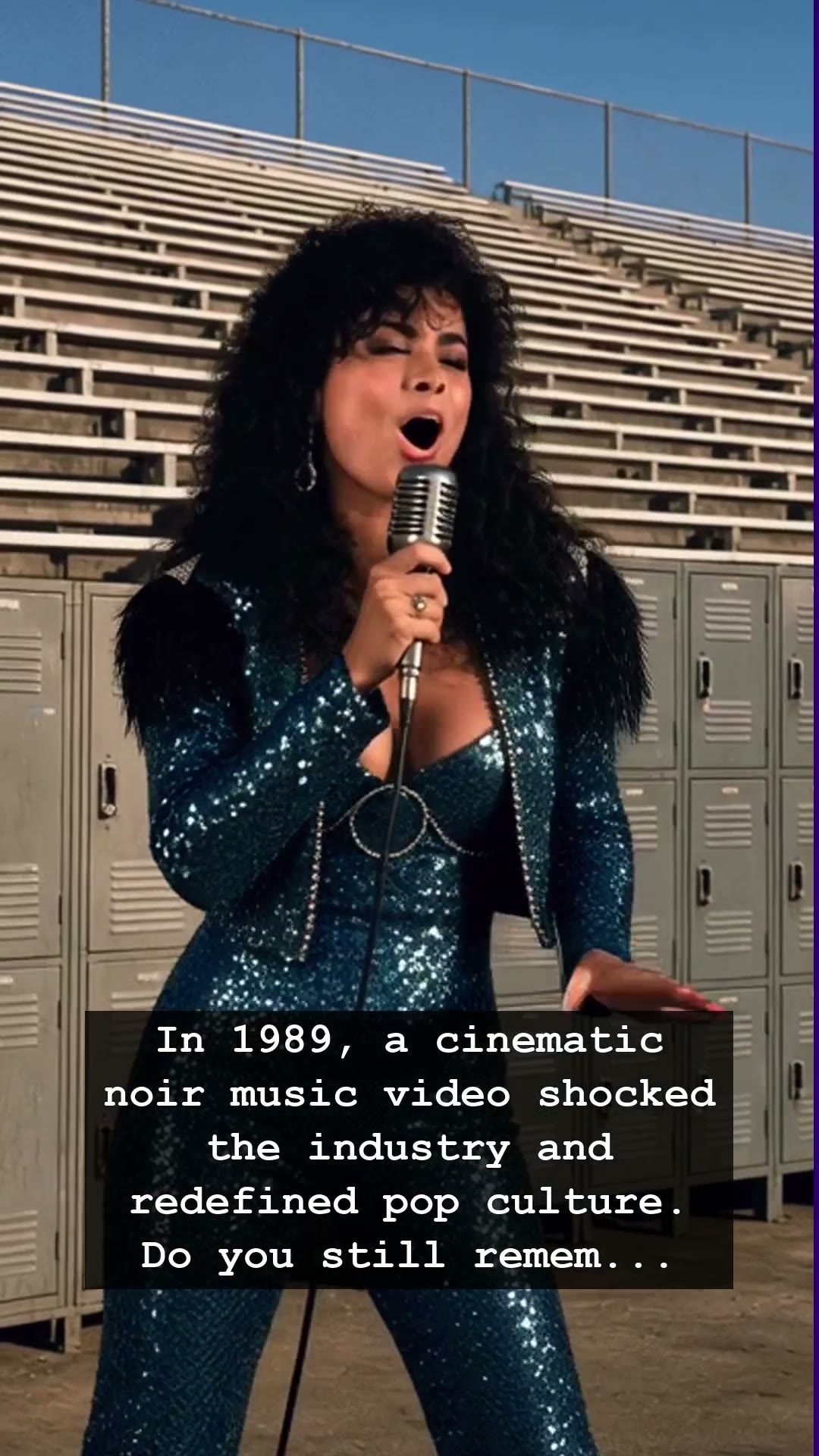
The year was 1989. The airwaves were thick with the neon pulse of synth-pop and the relentless churn of the MTV era. Yet, amidst the glitter and high-tops, one music video cut through the noise like a jagged blade of light in a pitch-black alley. It was the video for Cold Hearted, and it transformed Paula Abdul from a mere pop sensation into a cinematic icon overnight. While the world was busy dancing to bubblegum rhythms, Paula Abdul and her visionary director tapped into something far darker, sharper, and dangerously seductive. Do you remember the moment those shadows stretched across your television screen?
The music video for Cold Hearted wasn’t just a dance routine; it was a gritty, black-and-white noir film compressed into four minutes. Shot with the intensity of a high-stakes crime thriller, it showcased Paula Abdul not just as a singer, but as a master of movement and atmosphere. The choreography—aggressive, precise, and drenched in raw energy—was miles away from the polished, safe pop aesthetics of the decade. By channeling the brooding mystery of classic Hollywood, Paula Abdul captured a mood that felt both timeless and illicit. It felt like walking through a neon-lit urban labyrinth where the beats were the only escape from the encroaching darkness of the late eighties.
Behind the scenes, the production was a collision of immense ambition and mounting pressure. Paula Abdul, a former Los Angeles Lakers cheerleader turned pop force, brought a unique physicality to the track that few others could replicate. The industry was skeptical that a dance-heavy performer could sustain such an intense, cinematic vision, but the response was instantaneous. As the video hit MTV’s heavy rotation, it became a cultural touchstone. For a generation glued to their Walkmans and captivated by the visual revolution of music television, Paula Abdul became the embodiment of the era’s shifting tides—where the line between music and film began to dissolve entirely.
This wasn’t just about the chart-topping success of the single; it was about the way Paula Abdul changed the expectations for the modern pop star. She demanded that we view her music as an experience rather than just a radio play. The stark, high-contrast lighting and the rhythmic, almost mechanical precision of the dancers created a tension that kept audiences mesmerized, even when the song faded to silence. It was a bold artistic statement that proved a pop record could carry the weight of a suspenseful drama, leaving a permanent, haunting mark on the pop culture landscape.
Looking back today, the legacy of that moment remains remarkably intact. We can still feel the echo of that 1989 grit, a reminder of a time when the spectacle of the music video was at its absolute peak. Paula Abdul didn’t just top the charts; she curated a visual language that defined a generation. It stands as a testament to the power of daring to be different, even in the middle of a pop revolution. Does the opening beat of that classic track still send a shiver down your spine?