
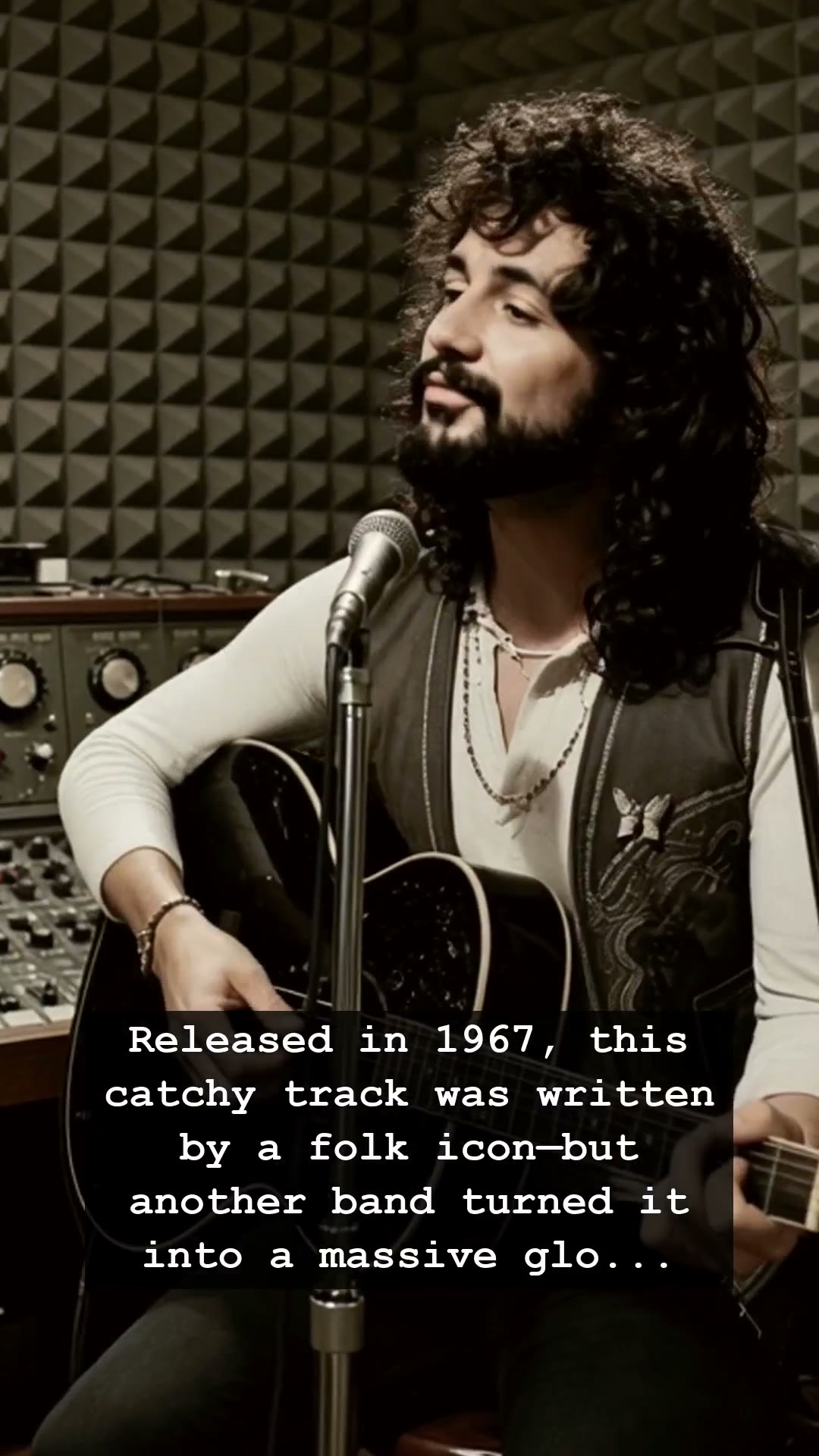
It is 1967 in London, the epicenter of a musical revolution. The air is thick with the scent of hairspray and the electric hum of the nascent British Invasion. Amidst the chaos of swinging London, a young, shy singer-songwriter named Cat Stevens pens a delicate, hauntingly beautiful folk song titled Here Comes My Baby. It is a masterpiece of introspection, a soft acoustic gem that feels intimate, perhaps too intimate for the booming, radio-hungry landscape of the late sixties. Little did the burgeoning folk icon know that his soulful composition was about to be snatched from his quiet studio and catapulted into the stratosphere by an unlikely rival.
The Tremeloes, a band known for their high-energy harmonies and radio-friendly charm, were scouring for their next big chart-topper. While Cat Stevens viewed his song as a poignant expression of heartbreak, The Tremeloes saw something else entirely—a melody that could ignite dance floors across the United Kingdom. With their signature upbeat arrangement and infectious vocal hooks, they transformed the introspective ballad into an irresistible pop anthem. When their version hit the airwaves, it didn’t just climb the charts; it dominated them, turning what was once a singer-songwriter’s secret confession into a global phenomenon that blared from jukeboxes in every corner pub.
This clash represents a fascinating chapter in music history, reflecting the tension between the artistic purity of the folk revival and the commercial juggernaut of the British pop machine. For Cat Stevens, it was a baptism by fire in the unforgiving world of the music industry. The song propelled him into the spotlight, yet it left him watching from the sidelines as his own creation was repurposed for the masses. The Tremeloes gained international fame, cementing their legacy as hitmakers, but the bittersweet irony of a folk masterpiece becoming a pop chart-topper remains one of the most evocative stories of the era.
Looking back, this moment captures the shifting cultural tides of 1967. The era was defined by the transition from the earnest, acoustic folk roots of the early sixties toward the polished, high-gloss production that would eventually dominate the airwaves. Every time the opening chords of that song play today, one cannot help but feel the ghostly presence of the original acoustic demo hidden beneath the vibrant, driving drums of The Tremeloes version. It is a reminder that in the music business, a song often takes on a life of its own, independent of its creator.
Today, as we revisit the vinyl stacks and listen to the crackle of a worn record, the story of Cat Stevens and The Tremeloes serves as a bridge to our own nostalgia. It reminds us of a time when the radio was our primary window to the world and a single song could change a musician’s life overnight. Though the industry has evolved, the magic of that simple, enduring melody remains a testament to the timeless power of great songwriting. Does the song still hold that same charm for you today?