
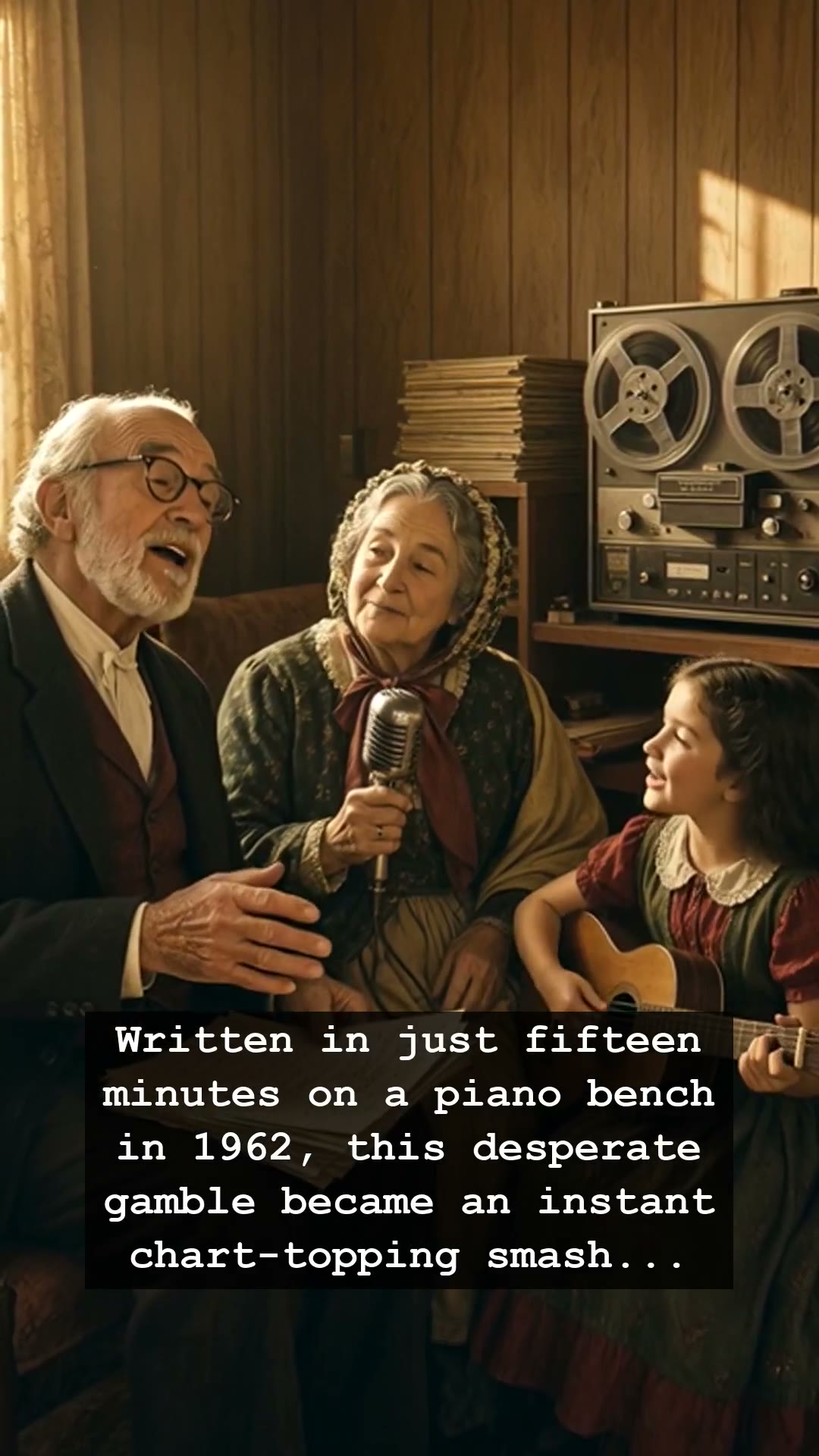
It was 1962, a year defined by the cool hum of a Jukebox in a dimly lit corner diner and the scent of hairspray and gasoline. Frankie Valli and The Four Seasons were hungry for a breakthrough, staring down the barrel of obscurity. They had been grinding through the club circuit for years, but the charts remained elusive. Then, in a moment of sheer desperation and creative lightning, the history of pop music shifted on a humble piano bench. In just fifteen minutes, a melody was born—a song that would transcend the era, survive the changing tides of the music industry, and define the sound of a generation forever.
That song was Sherry, the high-pitched, infectious hit that catapulted The Four Seasons into the stratosphere of American stardom. While many of their contemporaries were busy mimicking the smooth sounds of Motown or the budding garage rock scene, The Four Seasons were crafting something uniquely streetwise and desperate. Bob Gaudio, the band’s keyboardist and songwriting mastermind, didn’t labor for weeks over the composition. He simply sat down with the frantic energy of a man who knew his career was on the line, and out poured the chord progression that would haunt radios and record players for decades to come.
The recording session was an exercise in raw, unpolished ambition. When The Four Seasons stepped into the studio, they weren’t trying to change the world; they were trying to survive it. Frankie Valli’s signature falsetto, soaring to heights that seemed almost impossible for a human voice, wasn’t just a stylistic choice—it was a beacon of defiance. It captured the quintessential mood of the early sixties: the optimism of the post-war boom mixed with the restless, aching desire of young people everywhere to be heard above the noise of an evolving culture.
As the song hit the airwaves, it became an instant phenomenon, turning the group into household names overnight. It was the era of the Walkman, the transistor radio, and the communal experience of hearing a new favorite track crackle through the speakers at a Friday night dance. The Four Seasons became the soundtrack to weddings, breakups, and long drives down sun-drenched highways. The song’s success was not just a win for the charts; it was the birth of a legend that proved how even the most frantic, last-minute creative spark could ignite a wildfire of cultural impact.
Even today, listening to the opening bars of that classic hit brings a wave of nostalgia for a simpler, yet more intense musical landscape. It reminds us that beneath the glamour of the industry, the most enduring art often comes from a place of genuine struggle and pure, unfiltered passion. The legacy of The Four Seasons is etched into the bedrock of American rock and pop history, a testament to the fact that sometimes, you only need fifteen minutes to change your life and leave a mark on the world that never fades away.