
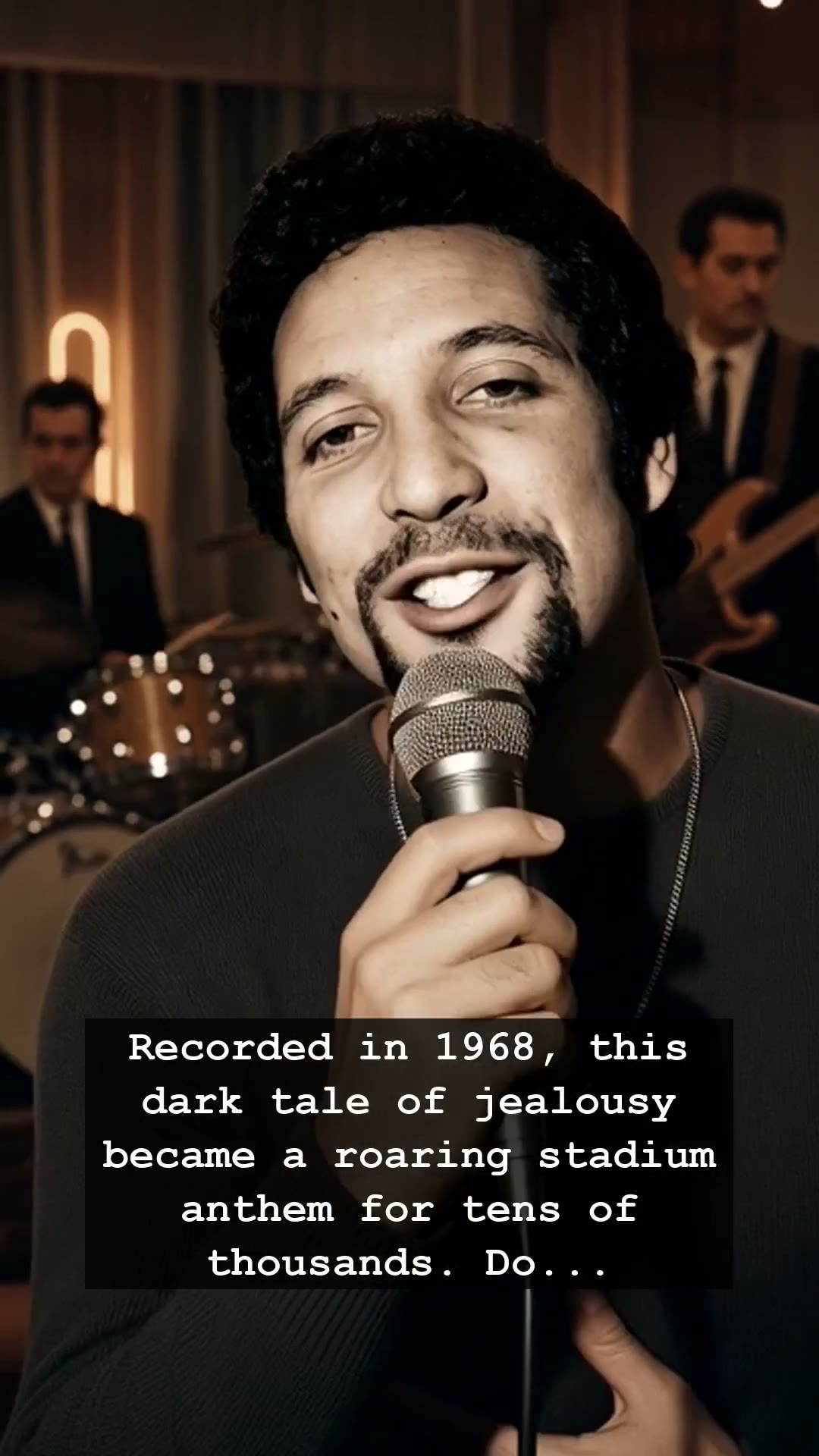
It was 1968, a year defined by societal upheaval and the electric hum of a changing world, when a voice from the Welsh valleys dared to sing about the unthinkable. Most fans remember Tom Jones as the charismatic, hip-shaking heartthrob who could make a crowded room swoon with a single glance. Yet, buried in his legendary discography is a song so haunting and violent that it initially terrified radio programmers across the globe. We are talking about Delilah, a dramatic ballad of obsession, betrayal, and cold-blooded murder that defied the cheerful pop sensibilities of the late sixties to become an unexpected, roaring stadium anthem.
At the height of the swinging sixties, while the world was obsessed with the psychedelic sounds of the Summer of Love, Tom Jones delivered something far more visceral. The song tells the tragic narrative of a man who peers through a window to catch his lover in the arms of another, a realization that pushes him over the edge of sanity. In the hushed recording studios of the era, the dark lyrical content was considered a risky gamble. Many feared the brutal imagery of the knife and the finality of the act would alienate listeners and lead to immediate censorship. Instead, the raw intensity in the voice of Tom Jones transformed the song into a masterclass of emotional storytelling.
There is a peculiar irony in how Delilah evolved over the decades. What began as a grim tale of domestic tragedy found its home in the most unlikely of places: the pulsing energy of sports stadiums. As the golden age of the jukebox faded into the neon-drenched era of the Walkman and eventually the global spectacle of televised sports, Tom Jones saw his song transcended. Thousands of fans, oblivious to the darkness of the lyrics, began belting out the chorus with a fervor usually reserved for anthems of victory. It became a staple of communal singing, a testament to how a powerful melody can mask the shadows of its own narrative.
The charisma of Tom Jones was the only thing capable of pulling off such a paradox. He walked a fine line between the sophisticated crooner and the dangerous outsider, a persona that resonated deeply with audiences who were transitioning from the conservative fifties into the more cynical seventies. His ability to inhabit the role of the scorned lover with such conviction meant that listeners were not just hearing a song; they were witnessing a theatrical performance. This was the era of the burgeoning superstar, and Tom Jones was perfectly positioned to capitalize on that magnetic, unpredictable energy.
Looking back, Delilah stands as a relic of a time when pop music wasn’t afraid to flirt with darkness. It serves as a reminder that the most enduring hits are often those that tap into the primal, messy, and sometimes dangerous aspects of the human condition. Today, as we look back on the legacy of Tom Jones, it is clear that his voice captured a specific kind of intensity that is rarely replicated in modern production. Whether you hear it at a packed arena or on a scratchy vinyl record, the power of his performance remains untouched by the passage of time. Do you remember the first time those brass instruments hit, signaling the arrival of one of music’s most unforgettable stories?