
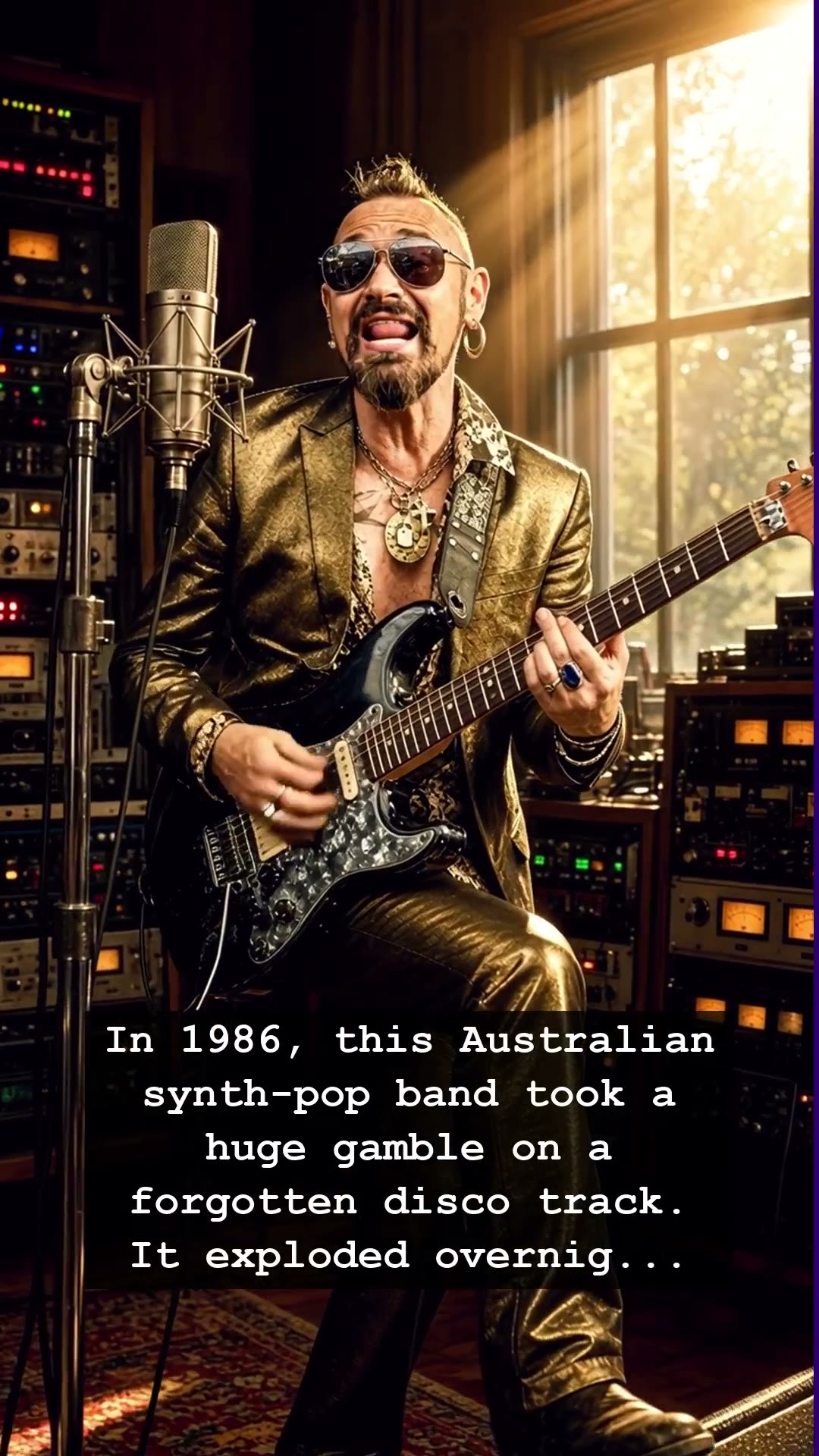
In the neon-soaked landscape of 1986, where the synthesized pulse of the Walkman defined the rhythm of our daily lives, a band from down under was about to take a career-defining gamble. Pseudo Echo, known for their sharp haircuts and glossy keyboard hooks, found themselves standing at a crossroads. They had already tasted local success, but they needed that one massive breakthrough to bridge the gap between regional obscurity and international stardom. The gamble came in the form of a dusty, nearly forgotten disco track from 1980 titled Funky Town. It was a bold, perhaps even dangerous, move to take a song so firmly rooted in the high-energy dance floors of the late seventies and drag it kicking and screaming into the heavy, guitar-driven soundscape of the mid-eighties.
When Pseudo Echo entered the studio, they weren’t just covering a song; they were deconstructing an era. The original track, performed by Lipps Inc., was pure dance-pop bliss, but Pseudo Echo injected it with a dark, moody electronic intensity that felt perfectly at home in the era of MTV dominance. Brian Canham, the lead singer and creative force behind the band, pushed for a heavier sound that prioritized crunching synthesizers and a driving, percussive edge. This wasn’t just a reboot; it was a total sonic facelift that mirrored the shifting cultural identity of the decade as we moved further away from the disco fever of Studio 54.
The transformation was instantaneous. Almost overnight, their version of Funky Town didn’t just climb the charts; it commanded them. It captured the frantic, restless energy of the eighties, becoming the anthem for teenagers and club-goers alike who were hungry for something that felt both retro and revolutionary. For a band that had been battling the skepticism of industry critics, this hit served as a loud, unapologetic rebuttal. They had managed to strip away the disco label and replace it with the sleek, polished armor of synth-pop excellence, proving that a forgotten melody could still carry immense commercial weight if reinvented with the right amount of attitude.
The success of this track forever changed the trajectory for Pseudo Echo, cementing their place in the pantheon of one-hit-wonder status in many parts of the world, though they remained a force of nature in Australia. Looking back, their audacious decision remains a classic case study of how the eighties repurposed the seventies to build its own unique identity. It reminds us of an era where music production was rapidly evolving, and bands were constantly experimenting with the boundaries of what constituted a pop hit. The memory of that synth riff, cutting through the static of a car radio or the speakers of a dimly lit dance hall, remains a touchstone for anyone who lived through the rise of electronic dominance.
Even today, whenever those opening chords hit, it transports us back to a world of hairspray, shoulder pads, and the relentless optimism of a decade that refused to look back. The story of Pseudo Echo and their daring interpretation of a disco classic serves as a vibrant reminder that in the music industry, the line between failure and immortality is often just one bold, experimental chord away. Do you remember where you were the first time you heard their electrifying take on that timeless beat?