
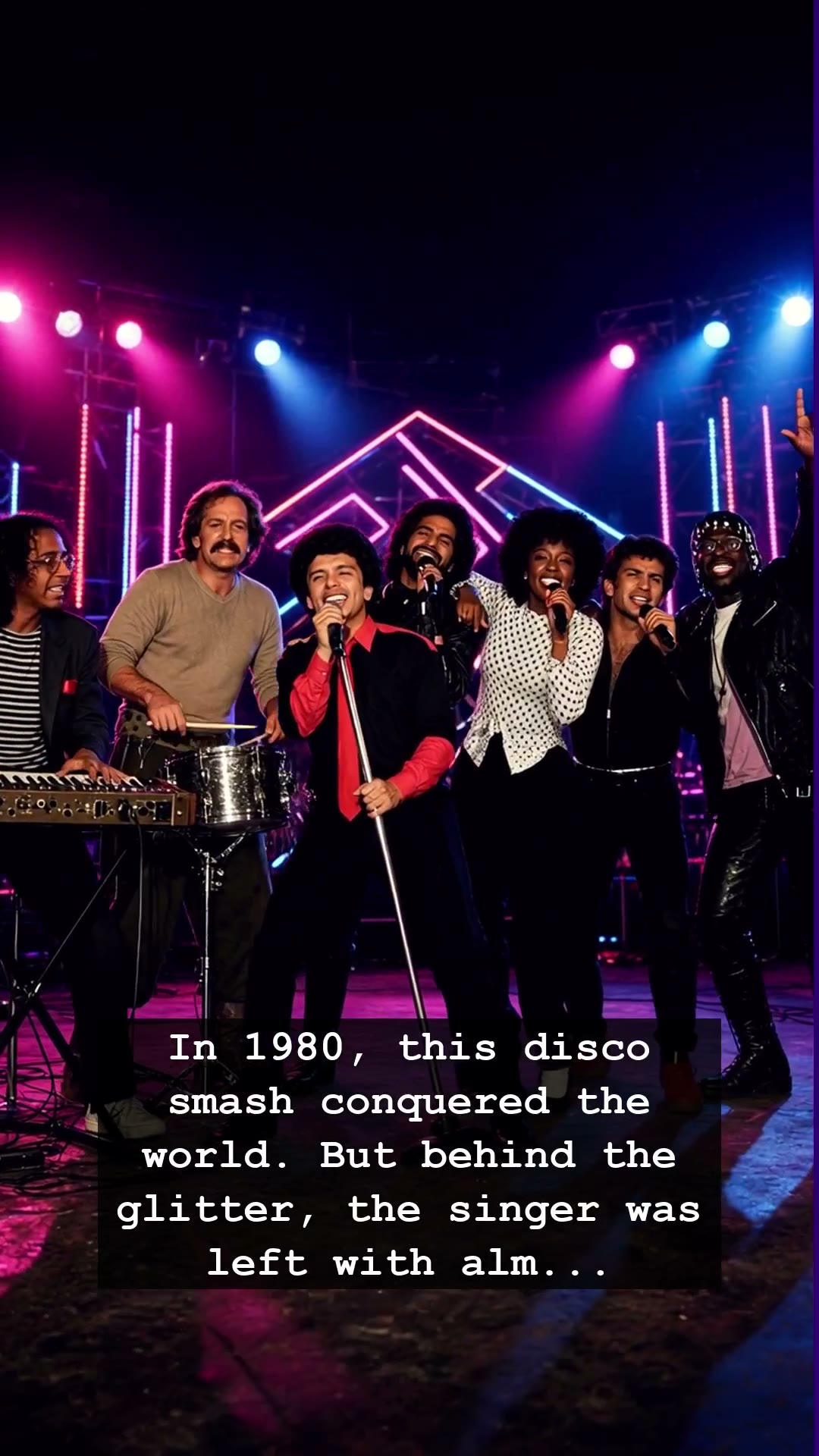
In the sweltering heat of 1980, a synthesizer-driven pulse took over the world. It was a rhythmic juggernaut that defined an era, a song that commanded you to move, to sweat, and to escape into the neon-drenched reality of the disco floor. That song was Funkytown by Lipps Inc. It climbed the charts with a ferocity rarely seen, dominating radio waves from New York to Tokyo. Yet, while the world was lost in the infectious, robotic groove of the track, the woman who provided the very heartbeat of that global phenomenon was living a far less glamorous reality. Cynthia Johnson, the powerhouse vocalist whose voice became the identity of Lipps Inc, found herself caught in the cold machinery of the music industry, eventually learning that global superstardom does not always equate to personal fortune.
The story of Lipps Inc is a classic tale of the glittering facade of the late disco era clashing with the ruthless business tactics of the time. While the public envisioned a band living the high life at iconic venues like Studio 54, the reality for Johnson was stripped of such excess. Despite being the face and the undeniable soul of the chart-topping hit, she was largely pushed into the background of the business arrangements. The success of Funkytown was astronomical, but the royalty structure behind it was built on a foundation of betrayal. For Johnson, the song became a double-edged sword: a masterpiece that cemented her legacy, yet a constant reminder of the pennies she received while others reaped the rewards of her unparalleled vocal talent.
To understand the sting of this betrayal, one must remember the atmosphere of the early 80s. The jukebox was the center of our social lives, and the Walkman was just starting to change how we consumed music on the go. Funkytown was the anthem of this transition. It was the bridge between the fading decadence of disco and the polished, electronic future of pop. The synth-pop landscape was changing, and Lipps Inc was at the epicenter of that shift. But behind the scenes, the friction between artistic contribution and corporate ownership was tearing the project apart. Johnson was silenced by contracts that favored production over performance, turning a burgeoning legend into a cautionary tale of the music business.
This isn’t just a story about money; it is a story about the erasure of a voice. Johnson’s vocal performance on Funkytown remains one of the most recognizable and technically precise feats of the decade, yet she was treated as an expendable instrument rather than a collaborator. The silence that followed her departure from the limelight felt heavy, a stark contrast to the eternal party that her music continued to provide for millions of listeners around the world who danced to the tune without ever knowing her name.
Today, when that iconic, pulsating synth line hits the airwaves, it still triggers a rush of nostalgia for a simpler, brighter, and more rhythmically driven time. We owe it to the history of music to look beyond the glitter and the gold records. The next time you hear the opening notes of that legendary anthem, remember Cynthia Johnson. She remains the heartbeat of a track that defied the odds, a testament to the fact that while business deals may fade, a truly soulful voice resonates long after the disco lights have dimmed.