
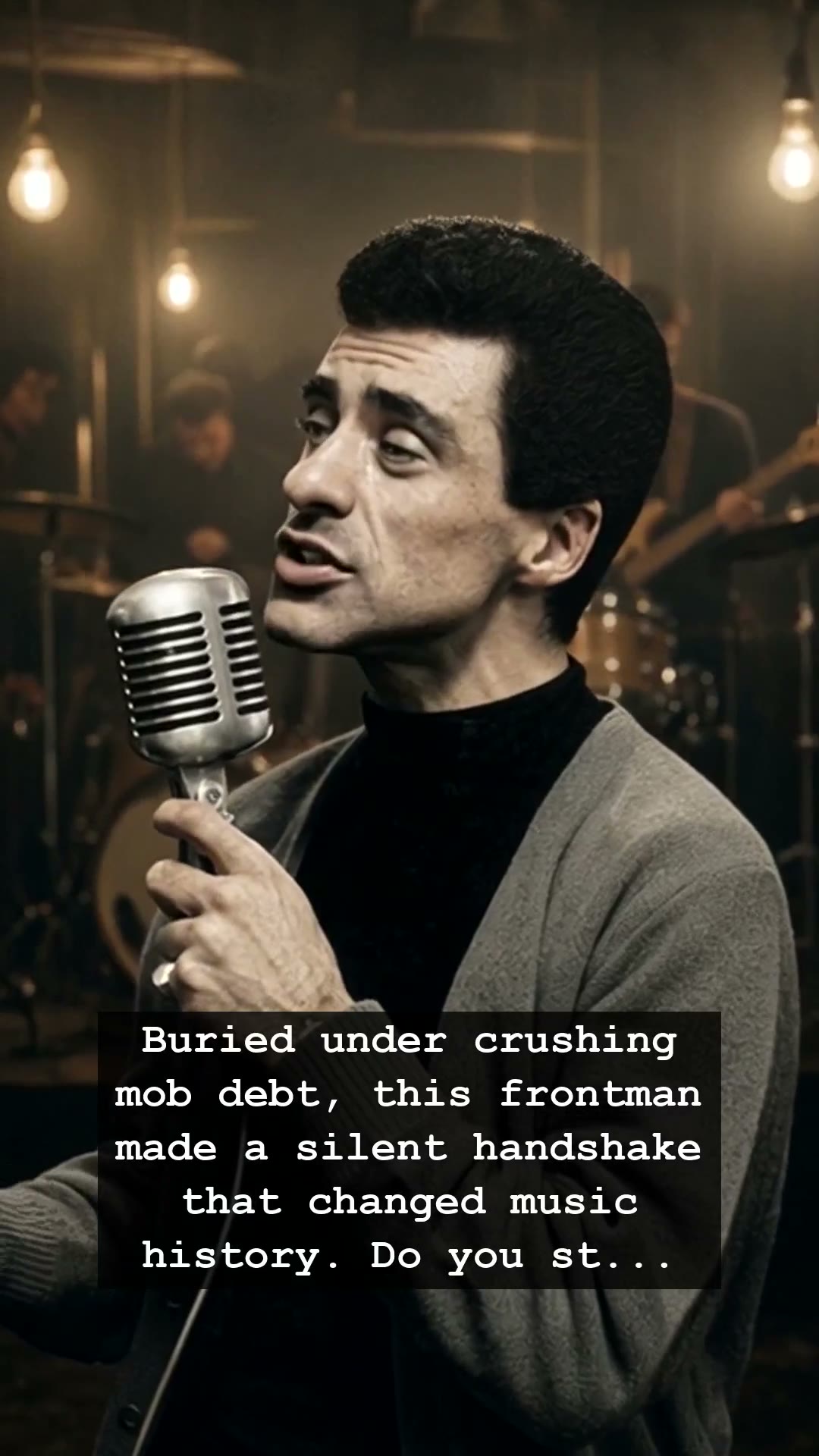
The year was 1970, and the golden era of the jukebox was beginning to show its rusted edges. While millions of fans were swaying to the falsetto highs of Frankie Valli, few knew that the man behind that angelic voice was staring into a cold, dark abyss. Behind the stage lights and the velvet suits of The Four Seasons lay a terrifying reality: a crushing mountain of mob-related debt, left behind by the reckless gambling habits of his bandmate and lifelong partner, Tommy DeVito. It was a silent, desperate handshake that kept the music playing, a deal made in the shadows that forced Valli into an endless, grueling tour schedule just to pay off the sharks who threatened to end his life.
To understand the gravity of this situation, one must look back at the gritty streets of New Jersey where Frankie Valli and Tommy DeVito first cut their teeth. They were children of the working class, clawing their way toward the American Dream with nothing but harmonizing voices and street-level ambition. Tommy DeVito was the tough guy, the one with the dangerous connections, while Valli possessed the celestial pipes that could melt hearts from New York to California. Yet, the same proximity to organized crime that helped them navigate the brutal music industry of the 1960s eventually became a noose around their necks.
As the band soared to the top of the charts with hits like Sherry and Big Girls Don’t Cry, the domestic tranquility of their success was shattered by Tommy DeVito’s mounting financial disasters. When the creditors came calling, they didn’t want band merchandise; they wanted blood. The pressure was immense, turning every performance into a high-stakes survival mission. Frankie Valli found himself trapped, touring relentlessly across a changing America to settle accounts he never personally incurred, tethered to the legacy of a man whose charisma was matched only by his destructive vices.
This wasn’t just a band dispute; it was a front-page tragedy playing out in the backrooms of dimly lit diners. The emotional toll of performing hit songs while fearing for one’s physical safety is a story rarely told in the polished annals of pop history. It highlights the brutal reality of the entertainment machine during an era where the boundary between legitimate business and the underworld was dangerously thin. For Frankie Valli, his voice became his only currency, a fragile instrument held hostage by the consequences of his bandmate’s reckless life.
Today, when we listen to those iconic records, we are often transported back to a simpler time of sock hops and transistor radios. Yet, beneath the shimmering production, there remains the echo of a man fighting for his survival. The story of Frankie Valli and Tommy DeVito serves as a poignant reminder that the greatest songs often emerge from the deepest pain. Even decades later, that falsetto still carries the weight of a debt paid in sweat and narrow escapes, ensuring their music remains immortalized in our collective memory.