
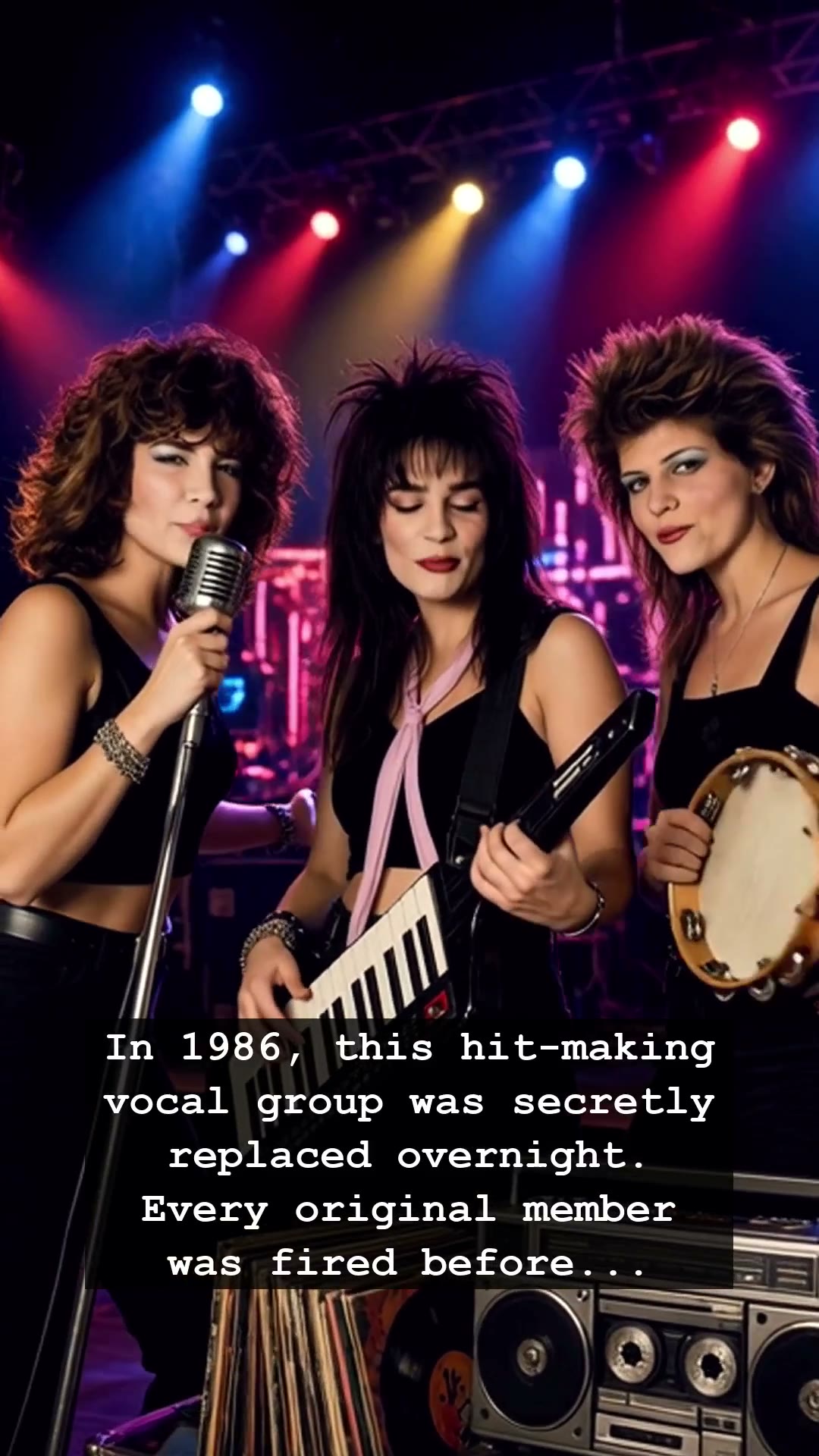
In the neon-soaked landscape of 1986, the dance floor was a kingdom ruled by synthesizers, big hair, and the infectious, high-energy hooks of a mysterious new girl group called Expose. Their debut smash, Point of No Return, was an inescapable earworm that blasted from every Jukebox and Walkman across America. It sounded like a polished, professional trio of sirens, but behind the glossy production lay a cold-blooded industry secret that would stay buried for years. Just as the track began its meteoric rise to the top of the charts, the original voices behind the hit were unceremoniously fired and replaced, leaving fans dancing to ghosts they would never truly meet.
Lewis Martineé, the mastermind producer behind the Expose sound, had crafted a brand that relied more on a specific aesthetic than on any individual identity. When the time came to package the group for mass consumption, he made a ruthless decision. Before the full album even hit the shelves, he wiped the slate clean. The original vocalists—Alé Lorenzo, Sandra Casanas, and Edith Fuentes—found themselves cut from the project, their contributions erased in favor of a new, hand-picked lineup. It was a classic case of corporate manufacture over artistic soul, a maneuver that highlights the darker, often exploitative side of the 1980s music industry machine.
The public, blissfully unaware of the swap, embraced the new faces of Expose as if nothing had changed. The era was defined by the transition from analog warmth to the crisp, sometimes clinical perfection of digital production, and the music industry treated performers like interchangeable components of a circuit board. This wasn’t just a simple lineup change; it was a total rebranding that relied on the anonymity of the record sleeve to keep the deception afloat. While the listeners felt they were connecting with a group of friends chasing stardom, they were actually consuming a carefully curated product designed for radio play and MTV dominance.
Looking back at the trajectory of Expose, it serves as a fascinating window into the fragility of fame during that decade. The drama behind the scenes—the broken promises, the sudden dismissal, and the silence of the original singers—remains a haunting subplot of the synth-pop revolution. It forces us to reconsider the authenticity of the records we held so dear. Was the magic in the voices, or was it in the meticulous, cold calculation of the studio?
Today, the legacy of Expose stands as a testament to the sheer talent of those involved, even if the history of their formation is stained by betrayal. The songs still hold up as masterpieces of the club era, vibrant and pulse-pounding, yet they carry a strange melancholy for those who know the truth. The next time you hear a throwback hit from 1986, take a moment to listen for the voices that weren’t meant to be heard. Do you think the music still resonates the same way when you know the faces you remember never actually sang the notes?