
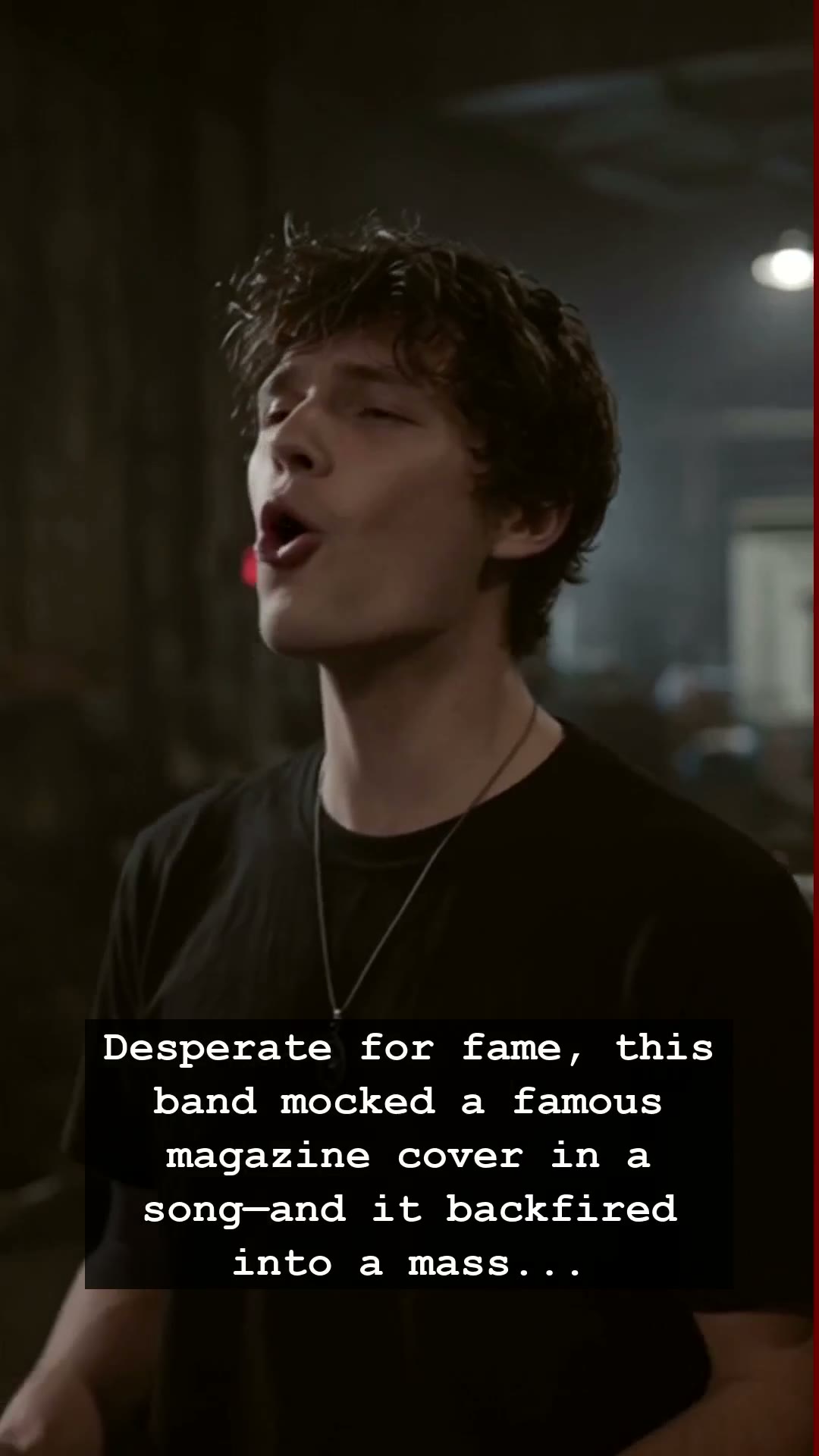
In the hazy, neon-soaked landscape of 1973, fame was a currency as elusive as it was addictive. For Dr. Hook and the Medicine Show, a band defined by their rugged, bohemian aesthetic and desperate hunger for the spotlight, the climb to the top of the charts felt like an uphill battle against the industry establishment. They were the underdogs of the rock scene, playing dive bars and hoping for a breakthrough that seemed permanently out of reach. Driven by a cocktail of artistic frustration and a biting sense of humor, they decided to pull off a stunt that would either destroy their career or cement their legacy. They penned a cynical, mocking anthem titled The Cover of the Rolling Stone, a track that served as both a jab at the magazine’s elitist influence and a desperate plea for validation from the very institution they pretended to disdain.
The song was a stroke of absolute genius born from pure exhaustion. With lyrics that poked fun at the glossy, curated image of rock stars plastered on the front page of the most influential music publication of the decade, Dr. Hook and the Medicine Show struck a chord with a public that was beginning to tire of music industry artifice. While the band poured their snarky, country-tinged energy into every chord, they never truly believed it would transcend the jukeboxes of local taverns. They expected the song to be a deep cut, a joke shared between friends. Instead, the track exploded with a ferocity that caught everyone, including the band, completely off guard. It soared up the Billboard charts, becoming an infectious, nationwide sensation that people could not stop humming.
Suddenly, the very publication they had satirized could no longer ignore them. The irony was thick enough to cut with a knife; the magazine had no choice but to acknowledge the song that was effectively critiquing its own power. The editorial team at Rolling Stone, recognizing the cultural zeitgeist shifting beneath their feet, extended an invitation that felt like the ultimate validation. Dr. Hook and the Medicine Show finally got what they had jokingly begged for in their lyrics: a real, high-gloss photo shoot for the cover of Rolling Stone. It was the peak of their career, a moment where the line between irony and reality blurred into a singular, iconic piece of pop culture history.
This story remains a perfect time capsule of the early seventies, a time when rock and roll was shifting from the psychedelic dreams of the late sixties into the cynical, commercial reality of the arena rock era. It highlights the peculiar relationship between artists and the media, a dance that still exists today but carries less of that raw, unpolished charm. Dr. Hook and the Medicine Show were not just a band; they were a manifestation of the era’s desire to bite the hand that fed them while secretly hoping for a seat at the table. Their success was a triumph of the outsider, a reminder that sometimes, being honest—even if that honesty is wrapped in a layer of bitter, hilarious irony—is the fastest way to get noticed in a world obsessed with fame.
Looking back, the success of their anthem resonates as a testament to the power of a good hook and an even better story. Today, we look at the legacy of Dr. Hook and the Medicine Show and we are reminded of a simpler, more dramatic time in music history. They remind us that the road to stardom is rarely a straight line; sometimes, you have to mock the system just to find your own place within it. As the final notes of that iconic song fade into the static of our memories, we are left with a story that perfectly captures the unpredictable, chaotic, and utterly wonderful spirit of American rock music.