
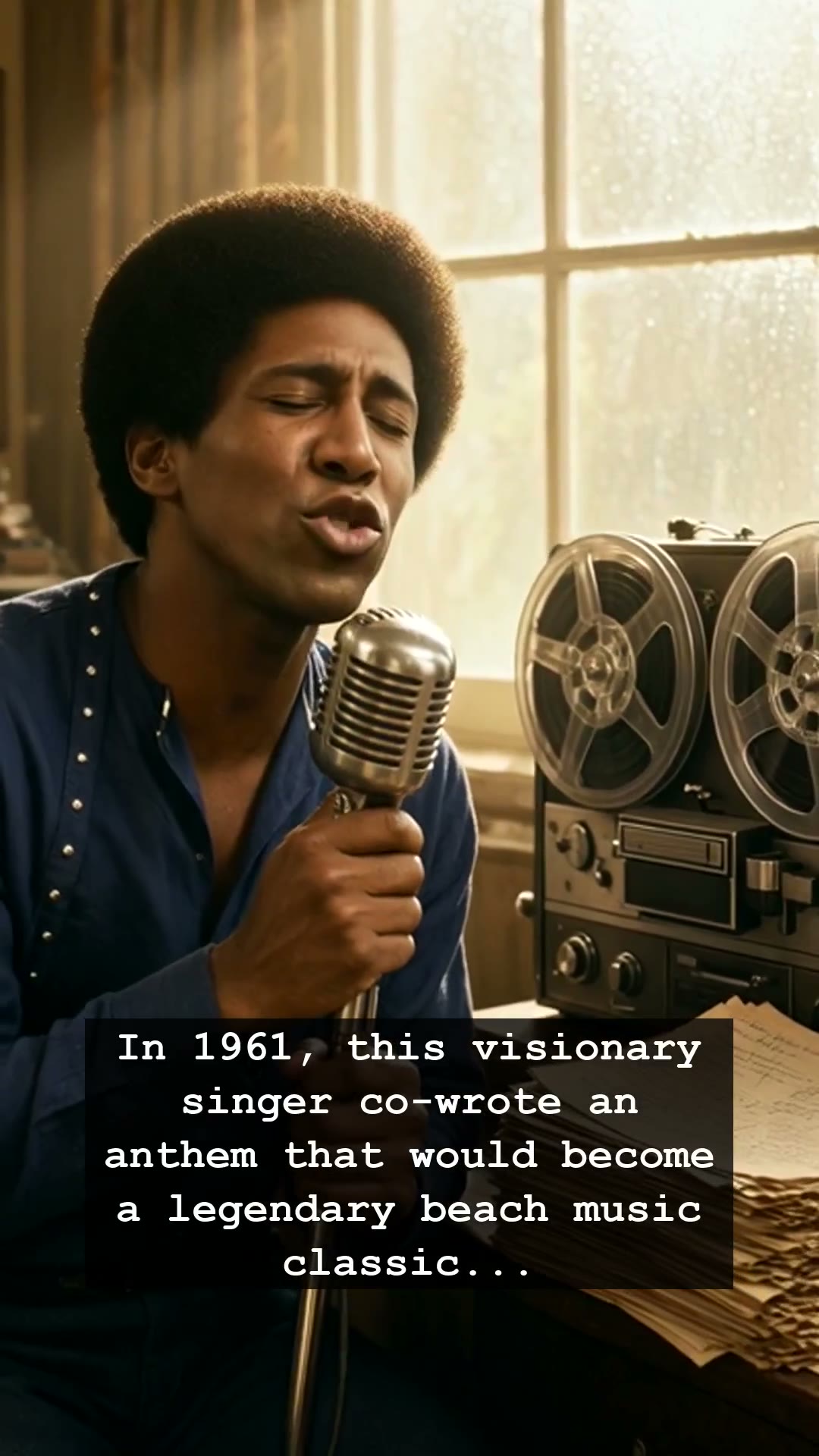
In 1961, the American airwaves were dominated by polished pop, but beneath the surface, a revolutionary sound was brewing along the humid, sandy coastline of the Carolinas. This was the birth of Beach Music, a genre that lived in the shadows of the mainstream until a visionary soul singer named General Johnson changed everything. He co-wrote a masterpiece that radio stations initially ignored, deemed too soulful for the segregated charts of the era. Yet, this forgotten coastal classic would go on to define an entire generation, becoming the secret soundtrack for every jukebox in the American South.
General Johnson was not just a performer; he was a sonic architect who understood the visceral power of rhythm and blues. When he penned that elusive 1961 anthem, he wasn’t looking for national fame on the Billboard charts. He was looking to capture the feeling of the Atlantic breeze, the salt air of the boardwalks, and the raw, kinetic energy of dance halls packed with teenagers looking for an escape. For those who grew up in that golden age, the song was more than just a melody; it was a rite of passage. It was the sound of summer, played on portable radios until the batteries gave out.
Behind the smooth vocals and the infectious, upbeat tempo lay a story of artistic struggle. General Johnson navigated a landscape where the industry was often hostile to his vision, yet he persisted. He became a cult hero, a man who didn’t need the validation of a massive pop hit because he already had the hearts of the coastal subculture. He operated in a world of late-night studio sessions and smoky clubs, far removed from the pristine glitz of the major label machine. This was the true, gritty essence of soul music before the era of polished music videos and synthetic production took over.
The genius of General Johnson lay in his ability to blend the sophistication of doo-wop with the grit of soul. Even when radio stations refused to play his records, the people found them. They sought out these coastal gems in the back corners of record stores, treasuring the vinyl like contraband. Decades later, when the era of the Walkman and the neon-soaked MTV explosion arrived, the legacy of this music remained untarnished, preserved by the very people who danced to it under the boardwalk lights.
Today, we look back at the era of General Johnson as a time when music felt dangerous, personal, and deeply connected to a specific sense of place. While other genres faded into the pages of history, this beach music anthem continues to echo through the halls of time, proving that the best songs aren’t the ones manufactured for fame, but the ones that grow from the roots of the culture itself. Do you remember the first time you heard it, the scratchy needle dropping onto the groove and the world suddenly feeling like it was spinning just for you?