
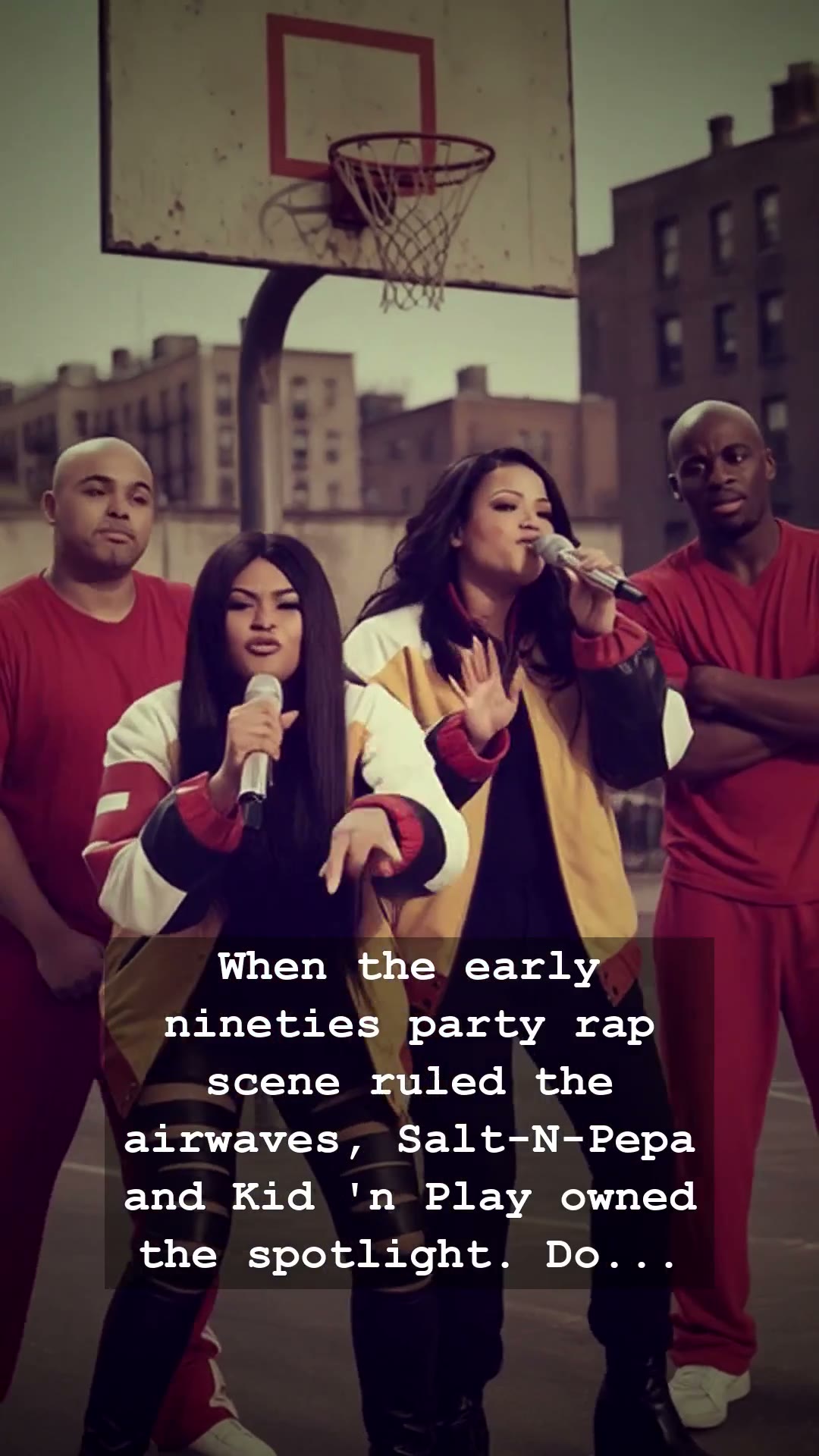
The year was 1990. The air was thick with the scent of hairspray and the thumping bass of boomboxes echoing through city streets. If you were there, you remember the exact moment the beat dropped and the world suddenly felt a little more electric. While the mainstream was still catching its breath from the excess of the eighties, a new sound was carving out its legacy. It was the golden age of party rap, a time when Salt-N-Pepa and Kid ‘n Play didn’t just top the charts; they defined the very heartbeat of a generation, turning every radio frequency into an unforgettable celebration of life.
Before the cynicism of grunge fully took hold or the later, more dangerous edges of the East Coast-West Coast conflict consumed the headlines, there was a brief, euphoric window where Salt-N-Pepa stood at the forefront of female empowerment in hip-hop. They were bold, unapologetic, and undeniably cool. Simultaneously, Kid ‘n Play brought a kinetic, joyful energy that felt like a house party that would never end. When these legends shared the stage or collided on the MTV circuit, the energy wasn’t just palpable; it was a cultural force that made you feel like you were part of the most exclusive club on the planet.
But behind the neon lights and the synchronized dance moves, the climb was anything but easy. The music industry was a shark tank, and for artists like Salt-N-Pepa, navigating a male-dominated landscape required a level of grit that often went unseen by the public eye. They were constantly fighting to be heard, to be taken seriously, and to maintain their autonomy in an era when record labels were quick to commodify their success. Their story is one of relentless ambition, proving that even amidst the pressures of sudden, meteoric fame, they could maintain the authenticity that made their music resonate so deeply.
Then there was the undeniable chemistry of the era. Kid ‘n Play weren’t just musicians; they were symbols of a specific type of urban camaraderie. Their signature style—the towering high-top fades and the infectious, feel-good rhythm—became synonymous with the early nineties experience. Whether it was the release of a blockbuster film or a surprise performance at a packed arena, they captured the spirit of a time when rap was transitioning from the streets to the global stage. It was a golden window where the music was meant to make you move, to make you smile, and most importantly, to bring people together under the common language of rhythm.
Looking back today, the magic of Salt-N-Pepa and Kid ‘n Play isn’t just in the technical prowess of their lyrics or the durability of their beats. It is in the nostalgia they evoke, a time capsule of an era before the digital age fragmented our shared experiences. They remind us of what it was like to crowd around a Walkman, eagerly waiting for your favorite track to come on the radio. They remind us of a time when the party never had to stop, and for a few beautiful years, the world was dancing to the exact same, unstoppable beat.