
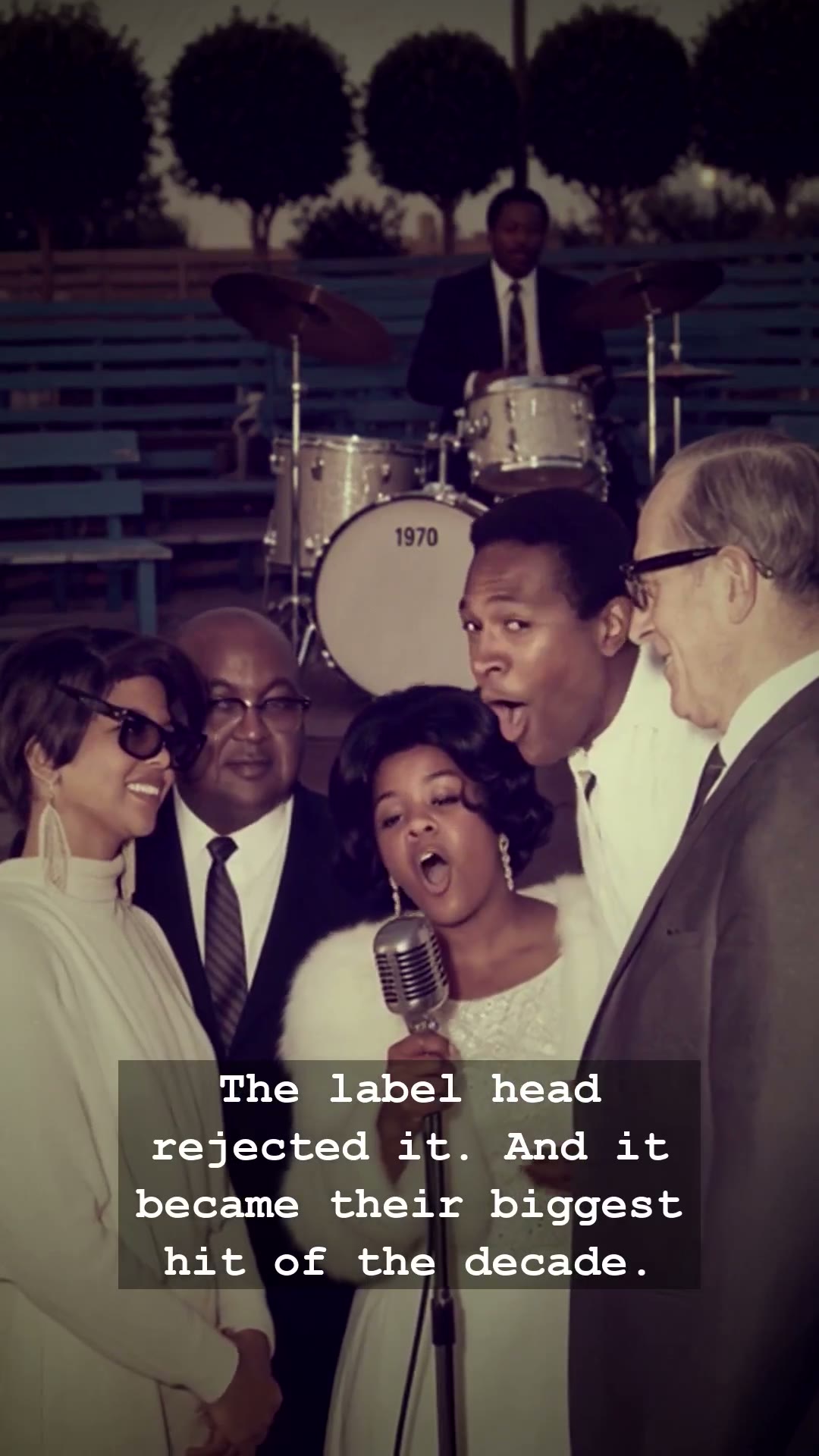
It was 1968, a year when the air in American cities felt heavy with political unrest and the distant, tragic echoes of the Vietnam War. Inside the polished, hit-making machine of Hitsville U.S.A., a storm was brewing that had nothing to do with record charts and everything to do with the soul of an artist. Marvin Gaye, the golden boy of Motown, had just delivered a haunting, stripped-back rendition of I Heard It Through the Grapevine. But to Berry Gordy, the iron-fisted label head, the track was a disaster. He famously dismissed the recording, declaring it unworthy of a release. He wanted the polished, upbeat pop anthems that defined the era, not this brooding, desperate confession that felt too dark for the radio waves of the late sixties.
Yet, Marvin Gaye was no longer the cookie-cutter star that the Motown assembly line had built. He was a man experiencing a profound internal shift, feeling the weight of a changing nation. The rejection from his mentor stung, but it didn’t silence him. While the official channel remained closed, a quiet rebellion began in the underground of radio. Rogue DJs, recognizing the raw, visceral pain and the haunting syncopation in the track, began spinning the song on their own terms. It was a grassroots wildfire. The public didn’t just listen; they felt the agony in every note. It became clear that the listeners were starving for something authentic, something that mirrored the turbulent reality of their own lives.
When the label finally relented, the song exploded with a ferocity that defied all corporate logic. I Heard It Through the Grapevine didn’t just climb the charts; it dominated them, becoming the biggest Motown hit of the entire decade. It stood in stark contrast to the candy-coated melodies usually pouring out of the Jukebox. This moment marked a pivotal turning point for Marvin Gaye. It was the birth of a more complex, vulnerable artist who would eventually go on to challenge the industry’s status quo with later masterpieces like What’s Going On. The success of this track proved that an artist’s intuition could trump the cold calculations of a studio executive.
Looking back, the story of this song serves as a reminder of the tension between commercial safety and true creative genius. For many of us who grew up in the era of Walkmans and needle drops, Marvin Gaye represented the bridge between the refined polish of the early sixties and the gritty, introspective soul of the seventies. His voice was the soundtrack to a generation that was learning how to speak its truth, even when those in power tried to suppress it. The legend of this recording remains a testament to the power of artistic conviction against the odds of the establishment.
Even today, those familiar opening notes trigger a deep sense of nostalgia. It reminds us of a time when music felt dangerous, essential, and deeply human. Marvin Gaye’s refusal to bury his vision changed the trajectory of popular music forever. As we revisit these classic tracks, we are reminded that sometimes, the music that is most fiercely rejected at the start is exactly what the world needs to hear to find its own rhythm. Next time you hear those iconic piano chords, remember the battle it took to reach your ears.