
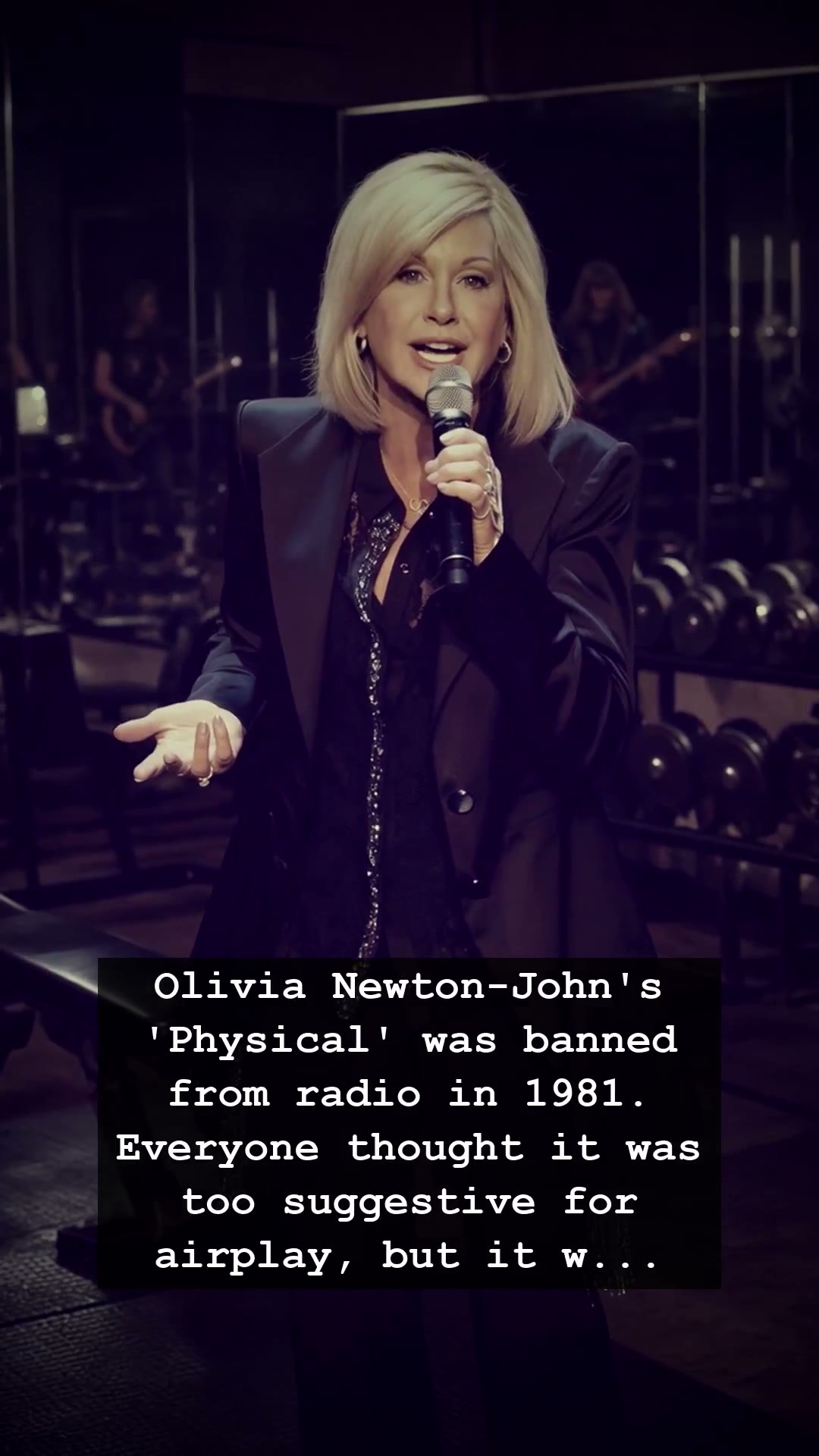
In the autumn of 1981, the airwaves were not merely sound waves; they were battlegrounds for the soul of American pop culture. Olivia Newton-John, once the sweetheart of the silver screen and the wholesome Sandy from Grease, was ready to shed her velvet skin. She stepped into the recording studio and emerged with Physical, a track that would soon become more than just a song; it would become a cultural flashpoint. While radio executives across the United States clutched their pearls, deeming the track too suggestive and scandalous for the public ear, they fundamentally underestimated the sheer, undeniable magnetism of Olivia Newton-John.
At the time, the music industry was obsessed with the emerging power of MTV and the visual aesthetics of the decade. The song was a neon-soaked, synth-heavy anthem that felt like it was born in a sweaty aerobics studio, perfectly capturing the transition from the disco fever of the late seventies into the synth-pop obsession of the early eighties. When stations began banning the track, citing its provocative lyrics about physical attraction, they inadvertently created the ultimate marketing machine. The controversy didn’t silence the music; it fueled a wildfire of curiosity that propelled the song straight to the top of the Billboard Hot 100.
It is fascinating to look back at how Olivia Newton-John navigated this precarious tightrope walk between her established image and the bold, modern pop star she was evolving into. Behind the scenes, the pressure to conform was immense, yet the success of Physical proved that the listening public was far more ready for sexual liberation than the gatekeepers of the radio stations were willing to admit. The song stayed at the number one spot for ten consecutive weeks, shattering records and turning the tide for female artists who wanted to break out of the restrictive boxes the industry had built for them.
Beyond the chart success, Physical remains a snapshot of a specific, vibrant era. It represents the transition from the gritty, analog feeling of seventies rock into the highly produced, polished, and electronic soundscapes that would define the rest of the decade. Listening to those iconic synth stabs today, one is transported back to a time of high-cut leotards, headbands, and the dawn of the exercise-craze culture. Olivia Newton-John was at the center of this movement, effectively rebranding herself while maintaining the incredible vocal clarity and pop sensibilities that had made her a household name in the first place.
Even decades later, the story of this banned hit serves as a powerful reminder of how art often triumphs over censorship. Olivia Newton-John left behind a legacy that is as complex and multifaceted as the pop history she helped write. While many performers of that era faded into obscurity, the enduring energy of Physical proves that sometimes, the most provocative choices are the ones that cement a legacy forever. As we look back through the lens of nostalgia, we see that it wasn’t just a song about exercise; it was a moment where the world finally caught up to the bold, uncompromising spirit of one of music’s greatest icons.