
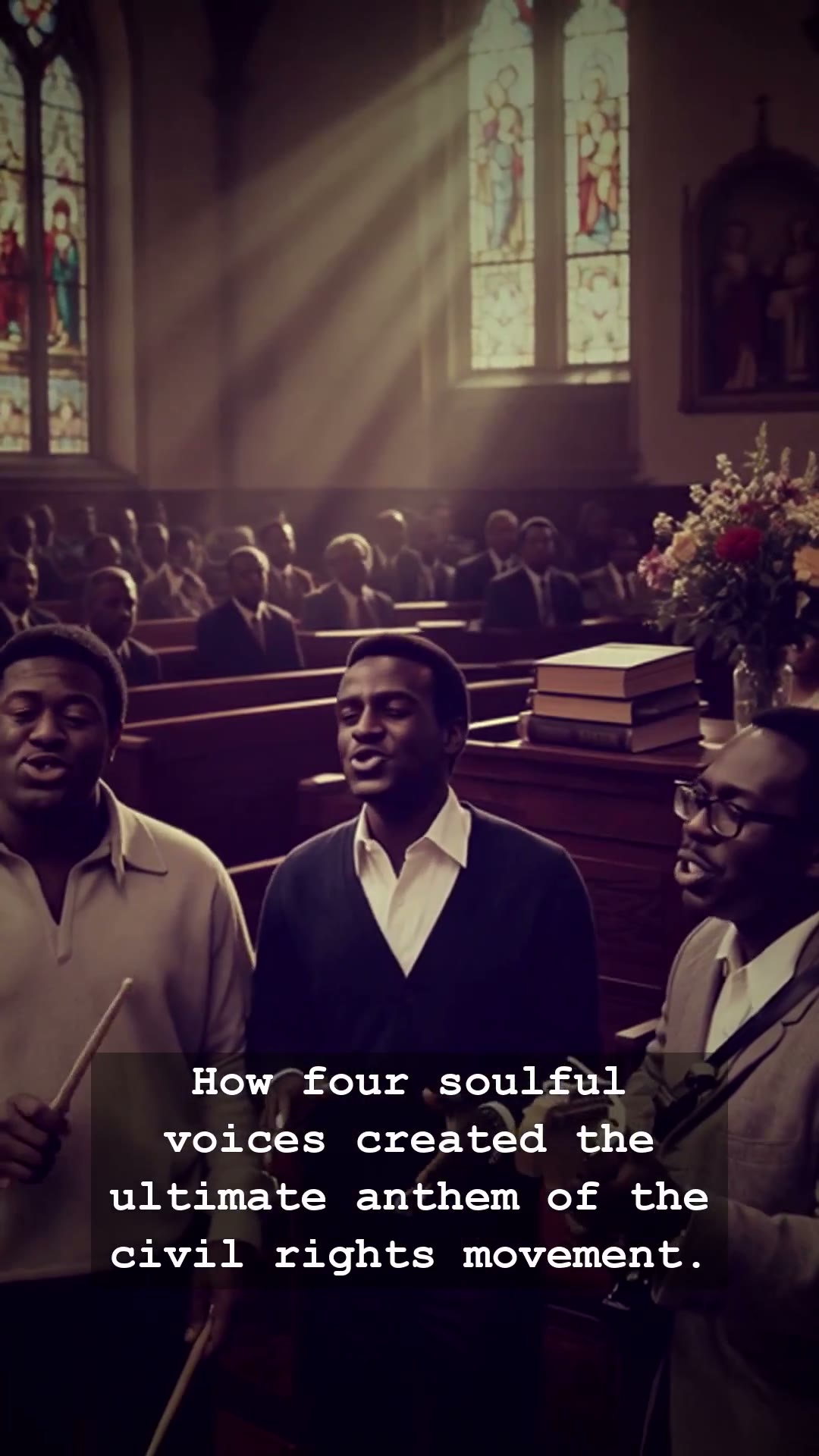
In the sweltering summer of 1965, the air across America was thick with the scent of change and the smoke of unrest. While the radio waves were crowded with bubblegum pop and teenage love songs, a different kind of sound was emerging from the soul-drenched studios of Chicago. It was the sound of a transformation. The Impressions, led by the visionary songwriter and guitarist Curtis Mayfield, stepped into the recording booth to capture a melody that would eventually ripple across the globe. They were about to record People Get Ready, a track that transcended the standard R&B charts to become the beating, spiritual heart of the civil rights movement.
At the time, the nation was fracturing under the weight of systemic inequality and brutal segregation. Young Americans were tuning their radios, desperate for something that spoke to their weary souls. When The Impressions released this masterpiece, it did not arrive as a shouting protest anthem; it arrived as a quiet, urgent sermon. Curtis Mayfield, with his signature falsetto, stripped away the artifice of the era, offering a vision of hope that felt like both a prayer and a demand. The song served as a vessel for unity, reminding a divided country that there was room for everyone on the train of progress.
To listen to the track today is to be transported back to a time when music held a weight that could shift the cultural tide. The arrangement is deceptively simple, yet the production radiates an aura of profound gravitas. You can almost hear the crackle of a vintage Jukebox in a dimly lit diner or the hum of a transistor radio tucked under a pillow in a crowded dorm room. For The Impressions, this was more than just a hit record; it was an act of courage. By choosing to weave gospel sensibilities into the fabric of popular soul music, they gave activists a soundtrack that was impossible to silence.
Behind the scenes, the genius of Curtis Mayfield was fueled by the constant tension of the decade. He saw the struggle of the streets and translated that pain into art that uplifted rather than tore down. The Impressions were not just a vocal group; they were mirrors reflecting the shifting consciousness of the American people. Unlike many of their peers who were concerned with topping the Billboard charts with dance hits, this group remained anchored to a deeper mission. Their harmony was a testament to the idea that collective action and spiritual resilience were the only paths forward through the darkness of the era.
Decades later, the legacy of this song remains untouched by the erosion of time. It resonates in every corner of history, a reminder of when music stood at the front lines of freedom. The Impressions captured a lightning-in-a-bottle moment that defines the very essence of soul music at its peak. As we look back at the iconic imagery of the sixties—the marches, the protests, the hope—we hear the voice of Curtis Mayfield singing us home. If you want to understand the true power of an anthem, you only need to close your eyes, press play, and prepare for the journey.