
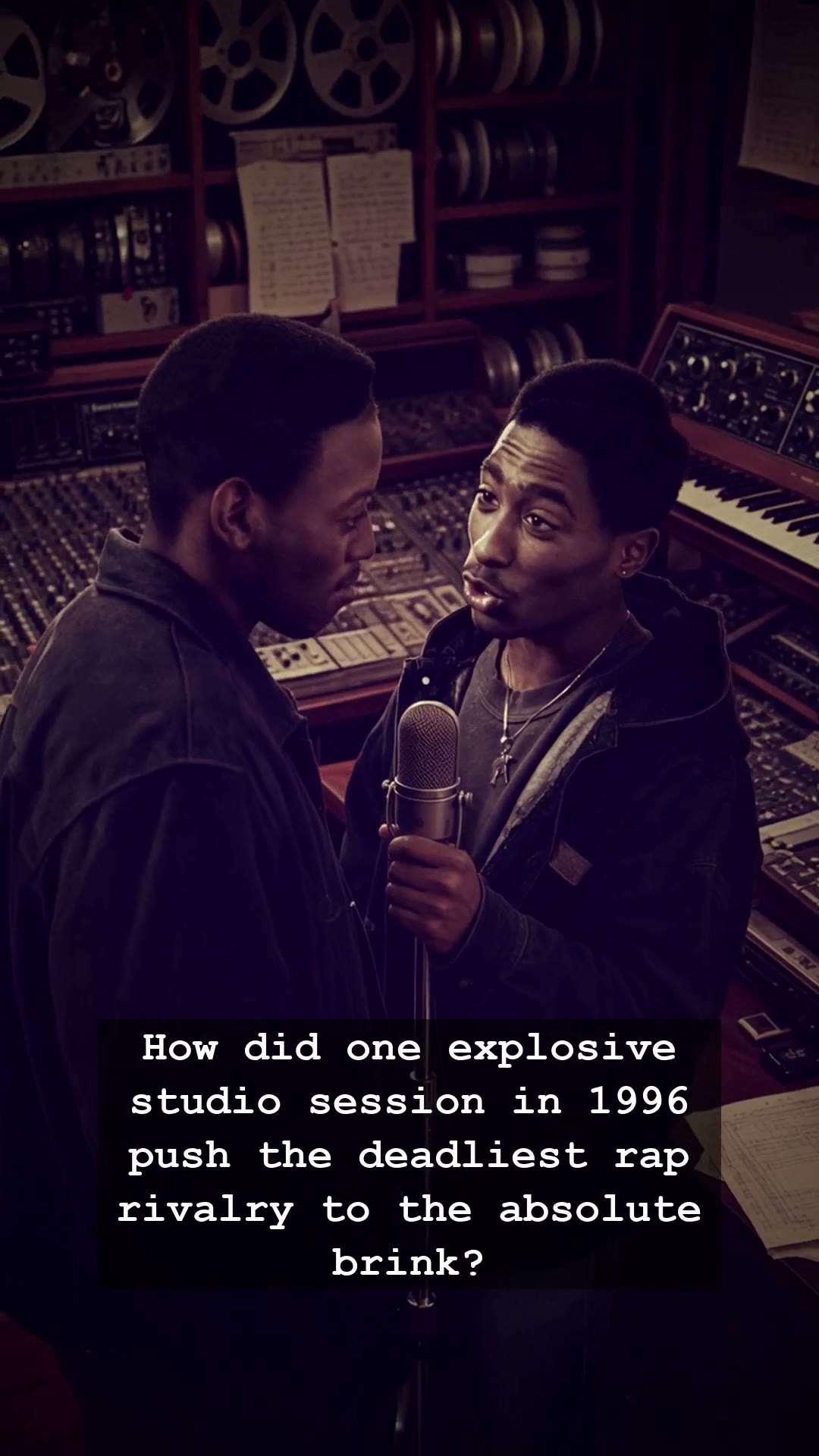
The year was 1996, a time when the rhythmic pulse of hip-hop was being torn apart by geographical lines drawn in blood and pride. Deep inside a smoke-filled Los Angeles studio, the atmosphere was thick with a tension that felt less like musical creativity and more like a declaration of war. Tupac Shakur, the charismatic yet volatile poet of the streets, was not just recording a track; he was pouring the gasoline that would turn a simmering coastal rivalry into a wildfire. This was the moment the East-West coast feud moved beyond record labels and neighborhood pride, shifting toward a point of no return that would forever alter the landscape of the Golden Age of hip-hop.
As the tape rolled, Tupac Shakur channeled his simmering resentment into a lyrical assault that defied industry decorum. The resulting song was not merely a diss track; it was a visceral, unfiltered expression of defiance that stripped away the glamour of the rap game. Outside the studio, fans were living in the era of MTV dominance and mixtapes passed between cars, blissfully unaware that the music they idolized was fueled by genuine, life-altering animosity. Tupac Shakur stood at the center of this storm, his rapid-fire delivery capturing the frustration of a generation trapped between the allure of stardom and the harsh realities of systemic violence.
To understand the gravity of that 1996 session, one must look at the culture of the time. This was a period where the sound of the streets was becoming the sound of global pop culture, yet the industry was failing to contain the personal vendettas of its brightest stars. The rivalry between the West Coast and East Coast was fueled by media sensationalism and the pressures of constant public scrutiny. When Tupac Shakur stepped to the microphone, he wasn’t just dissing rivals; he was challenging an entire establishment, turning the studio into a bunker and the recording booth into a war room. The energy was raw, dangerous, and undeniably authentic.
The echoes of that night still reverberate through the history of American music. Even decades later, listeners are drawn back to the uncompromising spirit of Tupac Shakur. It serves as a haunting reminder of how artistic expression can become entangled with the darker facets of fame and personal tragedy. We look back at this era through the lens of nostalgia, remembering the bass-heavy beats and the cultural revolution that birthed modern rap, yet we cannot separate the iconic sound from the human cost paid by those who defined it.
Looking back, the intensity of those 1996 sessions remains a defining chapter in the saga of Tupac Shakur. While the music industry has changed, the mythos surrounding these pivotal, explosive moments continues to fascinate. As we revisit the records that soundtracked our youth, it is worth asking how much of our cultural history was forged in the heat of such dramatic, unscripted moments. Perhaps the magic of the era lies in the fact that it was never just about the music; it was about the people behind it, living out their stories at a volume the world could not ignore.