
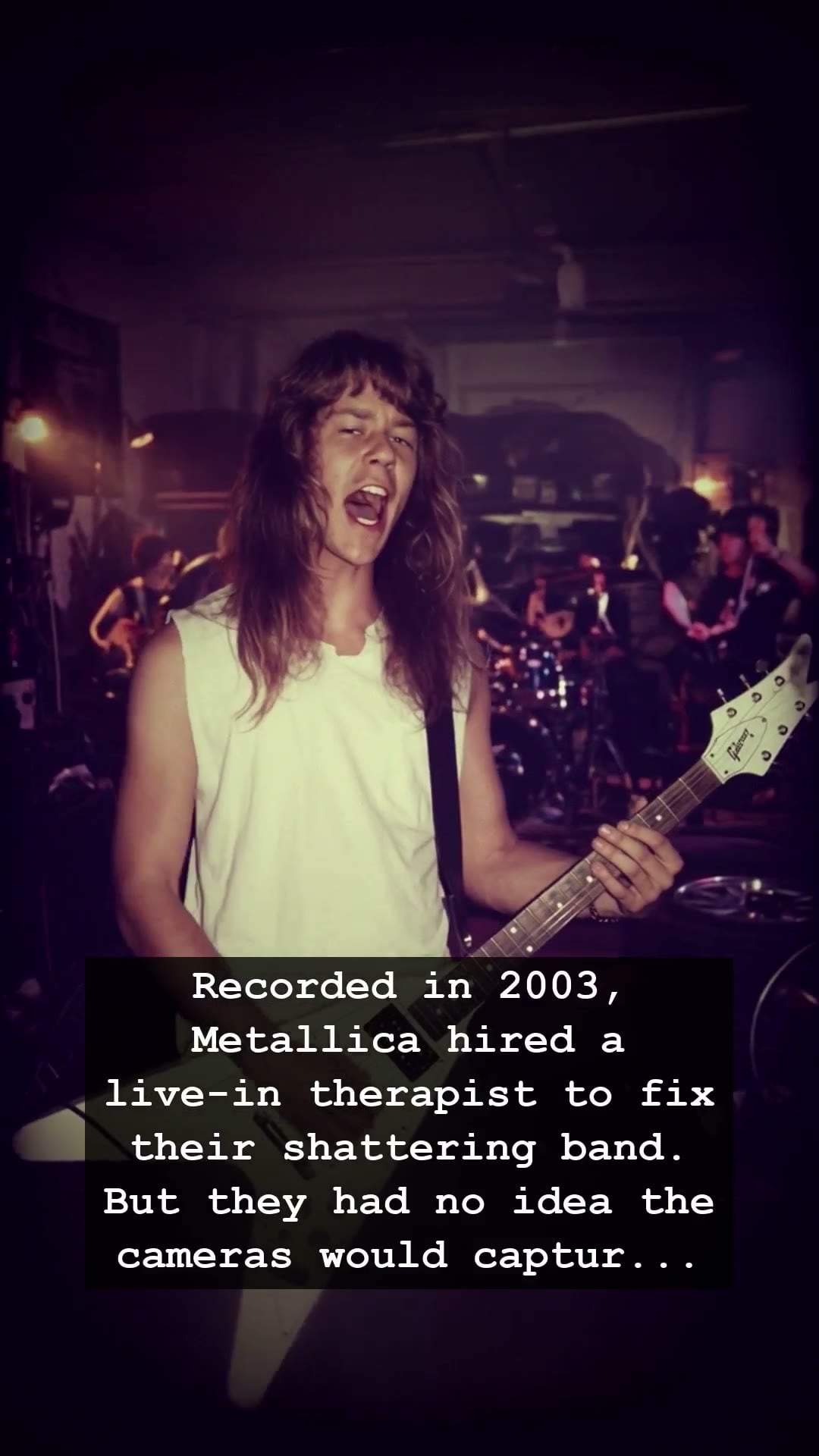
In the early 2000s, the heavy metal landscape was shifting. The era of the cassette-playing Walkman was fading, replaced by the digital dawn, but for the titans of thrash, the internal silence was far more deafening. Metallica, the band that had defined the sound of a generation, was crumbling under the weight of ego, addiction, and creative exhaustion. It was 2003, and in a move that seemed unthinkable for such hardened rock gods, the group invited a live-in therapist to document their unraveling. They had no idea the cameras would capture a haunting, heartbreaking breakdown that almost permanently silenced one of the greatest acts in music history.
Looking back at the St. Anger sessions, one cannot help but feel the crushing weight of that specific time. The footage, later immortalized in the documentary Some Kind of Monster, offered fans a rare, unvarnished look at the internal rot of a superstar machine. James Hetfield, Lars Ulrich, and Kirk Hammett were no longer brothers-in-arms; they were strangers trapped in a room, struggling to reconcile decades of resentment. The therapist, Phil Towle, became a lightning rod for the band’s collective fury. To witness these icons of arena rock stripped of their stage armor was a shock that rippled through the global music community, exposing the terrifying vulnerability behind the Metallica name.
This wasn’t the polished, MTV-ready image fans were accustomed to. It was raw, ugly, and profoundly human. The band’s reliance on alcohol and the pressure to maintain their status in a rapidly changing industry created a pressure cooker environment. You could feel the tension in every jarring chord recorded during those days. It is a cautionary tale of what happens when fame acts as a barrier to authentic connection. Even today, the legacy of this period resonates because it proved that even the most formidable giants could be brought to their knees by the simple, destructive force of miscommunication and unmet expectations.
What makes this chapter so captivating is the sheer transparency of the struggle. While other bands of the eighties and nineties preferred to keep their skeletons buried deep in the vaults of Hollywood, Metallica allowed the world to watch them bleed. It was a gritty, uncomfortable, yet strangely cathartic journey that ultimately defined their survival. The band managed to pull themselves back from the brink of total destruction, but the psychological scars of that year remain embedded in the history of their music. They proved that the most complex battles are not fought on a stage, but in the quiet, stifling rooms where creativity goes to die.
As we look back at the era of CDs and the looming digital revolution, the Metallica breakdown remains a pivotal moment in rock history. It changed the narrative of what it meant to be a hero in the music industry. It wasn’t about the drugs or the stadium lights anymore; it was about the resilience of the human spirit. If you have ever wondered what happens when the music stops and the egos collide, the story of this period is a haunting reminder that even the loudest stars have stories of quiet, devastating pain.