
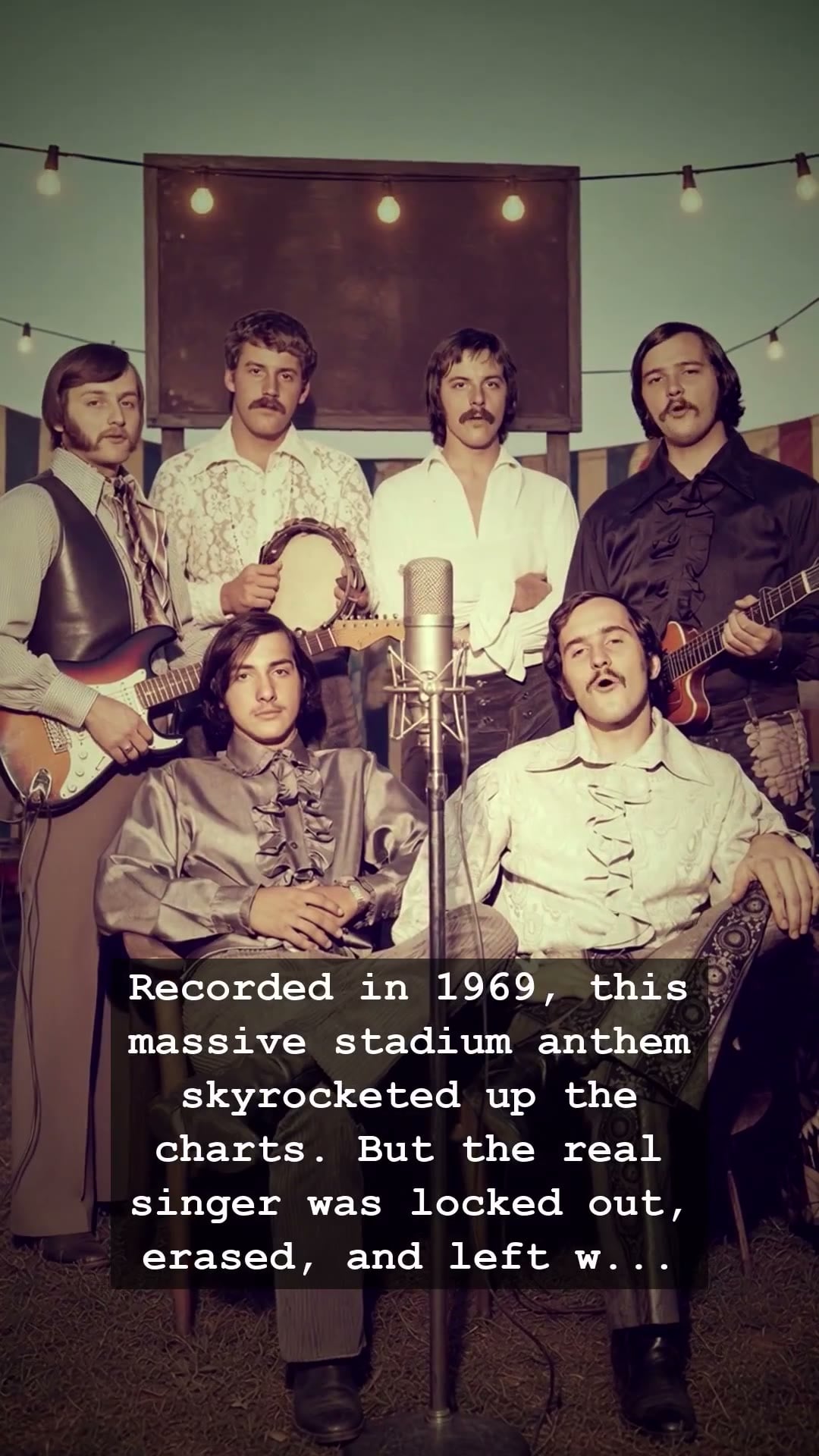
It was the summer of 1969, a year defined by the moon landing and the counterculture spirit of Woodstock. On the radio, a blistering, brass-heavy anthem called Na Na Hey Hey Kiss Him Goodbye took the world by storm, soaring to the top of the Billboard charts. It was a stadium-shaking hit that felt like the voice of a generation. Yet, behind the triumphant blare of the horns and the infectious chorus, a cold, calculated industry deception was unfolding. The entity known as Steam was never a real band, and the man who provided the iconic lead vocal was silenced, erased, and left to watch his masterpiece explode from the solitude of his living room.
The real voice behind Steam was Garrett Scott, a talented musician who unknowingly walked into a studio trap. The song had been cobbled together by producers in a desperate attempt to create a B-side for a completely different record. When the track unexpectedly went viral, the industry machine kicked into gear. They needed a face for the song, and they needed it yesterday. Rather than elevating Scott, the producers hired a group of handsome actors to pose as the band members. They were sent out on the road to lip-sync on television, basking in the glow of stadium lights while the true architect of the sound was relegated to the shadows.
Imagine the surreal agony of sitting in a quiet suburban home, watching your voice projected onto thousands of screaming fans through a television screen, knowing full well you were not the one standing under those lights. For Scott, there were no record royalties, no fame, and no validation. He had been effectively airbrushed out of his own life. The era of the late 60s was supposed to be about authenticity and the soul of the artist, yet this incident proved that behind the velvet curtains of the music industry, corporate greed often took precedence over the truth.
As the golden era of vinyl and the jukebox culture thrived, listeners were often fed a polished, curated reality. The Steam phenomenon remains a haunting reminder of the disconnect between the music we adore and the often-exploitative history of its creation. While the public danced along to the infectious melody, they were unknowingly participating in a massive case of musical identity theft. It serves as a stark look at the dark side of fame, where artistic ownership was treated as a disposable commodity.
Today, the story of Steam and the missing man behind the mic continues to echo through music history as a cautionary tale. It forces us to listen deeper, to look beyond the album cover, and to acknowledge the ghosts of the industry who never got their due. When you hear that legendary chorus playing at a ballgame or in a nostalgic film today, remember the man who was locked out of his own success. Music is often remembered for its rhythm and soul, but sometimes, the most important part of the song is the story that was hidden from us all along.