
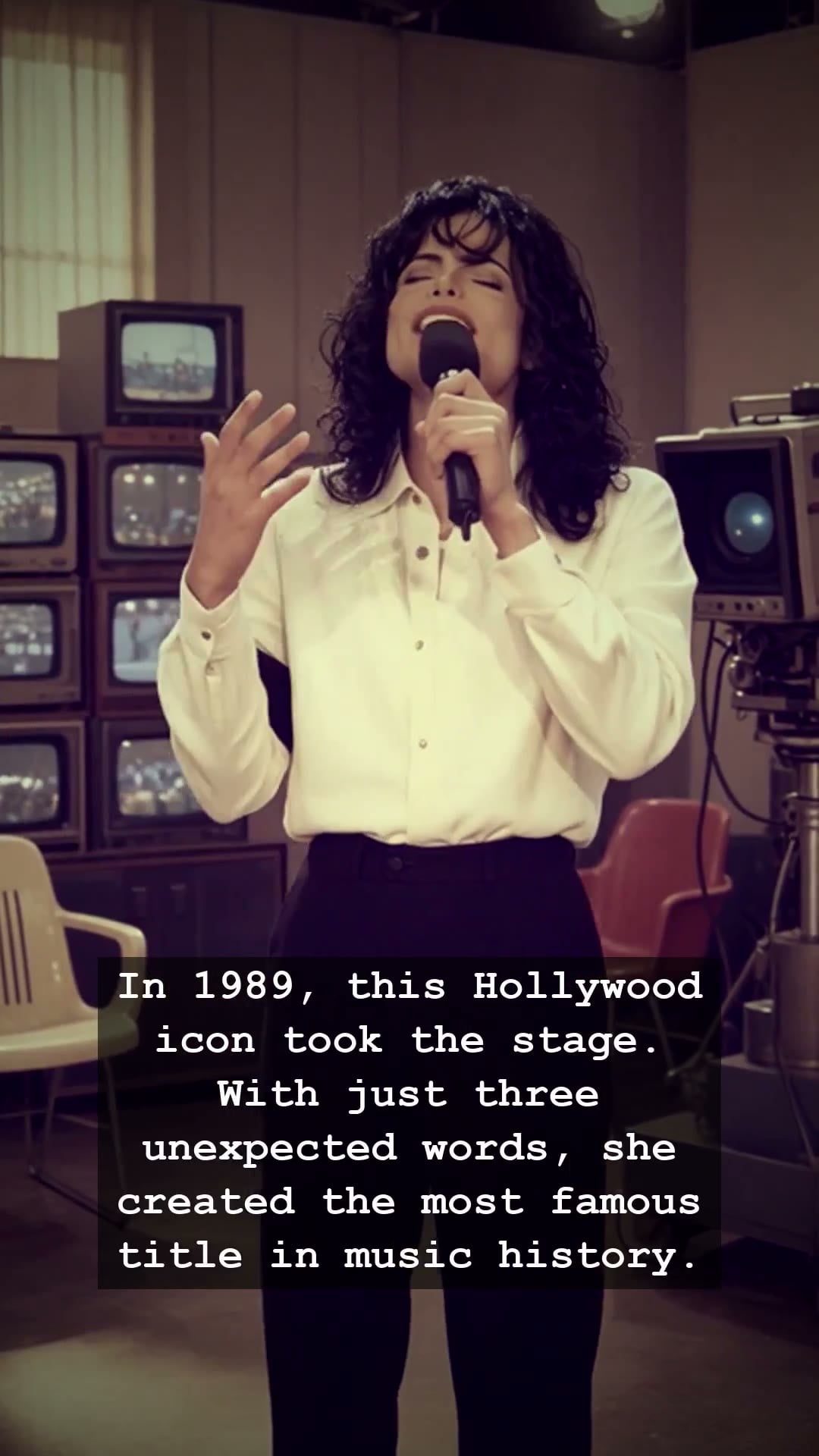
The year was 1989. The setting was the Soul Train Awards, a night usually defined by smooth R&B melodies and the rhythmic pulse of a changing cultural landscape. But that evening, the air in the room felt different, heavy with a strange sense of anticipation. As the audience waited for the presentation of the Heritage Award, a true Hollywood titan walked onto the stage. It was Elizabeth Taylor, the violet-eyed legend whose very presence could stop the heartbeat of Tinseltown. She moved with a regal grace, looking out at a crowd that had grown accustomed to the glitz of the Walkman era and the rising dominance of MTV, yet she was there for something far more personal.
She approached the microphone, her voice carrying the weight of decades spent under the unforgiving lights of fame. With a deliberate pause that seemed to stretch for an eternity, she uttered three words that would irrevocably alter the trajectory of music history: ‘The King of Pop.’ With that single proclamation, Elizabeth Taylor bestowed a crown upon a shy, soft-spoken genius who had been her closest confidant. In that moment, Michael Jackson was not just a performer; he was officially canonized in the public consciousness, forever cemented as the unparalleled sovereign of the global stage.
To understand the magnitude of that night, one must look past the sequins and the high-energy choreography. Their friendship was an unlikely collision of two worlds—the Golden Age of Hollywood and the explosive, neon-soaked ambition of eighties pop. Elizabeth Taylor saw in Michael Jackson a kindred spirit, a fellow exile of childhood who found solace in the fantasy they both lived. While the press often circled them like vultures, speculating about their private lives and the pressures of their immense celebrity, they remained an impenetrable fortress of mutual affection. She was his protector, and he was the brother she never had.
That night in 1989 was more than just an award presentation; it was a cultural tipping point. The music industry was then a battlefield of shifting identities, from the lingering echoes of disco to the dawn of a new, digital pop frontier. Michael Jackson, fueled by the visionary work of the Bad album, had been chasing the wind, breaking barriers on MTV and redefining what a black artist could achieve in a segregated media landscape. When Elizabeth Taylor spoke, she wasn’t just giving a title; she was validating his fight against the industry’s glass ceilings, confirming that the boy from Gary, Indiana, had indeed transcended mortal stardom.
Decades later, the memory of that proclamation still resonates as one of the most significant moments in pop culture. It stands as a testament to the power of authentic connection in an industry often defined by artificiality. While the music industry has transformed into a digital machine, the image of Elizabeth Taylor standing beside Michael Jackson serves as a lingering, nostalgic anchor. It reminds us of a time when the title of King was not given by streaming algorithms or viral trends, but by those who truly understood the price of the crown. It remains a beautiful, haunting chapter in the story of two icons who walked through the fire together.