
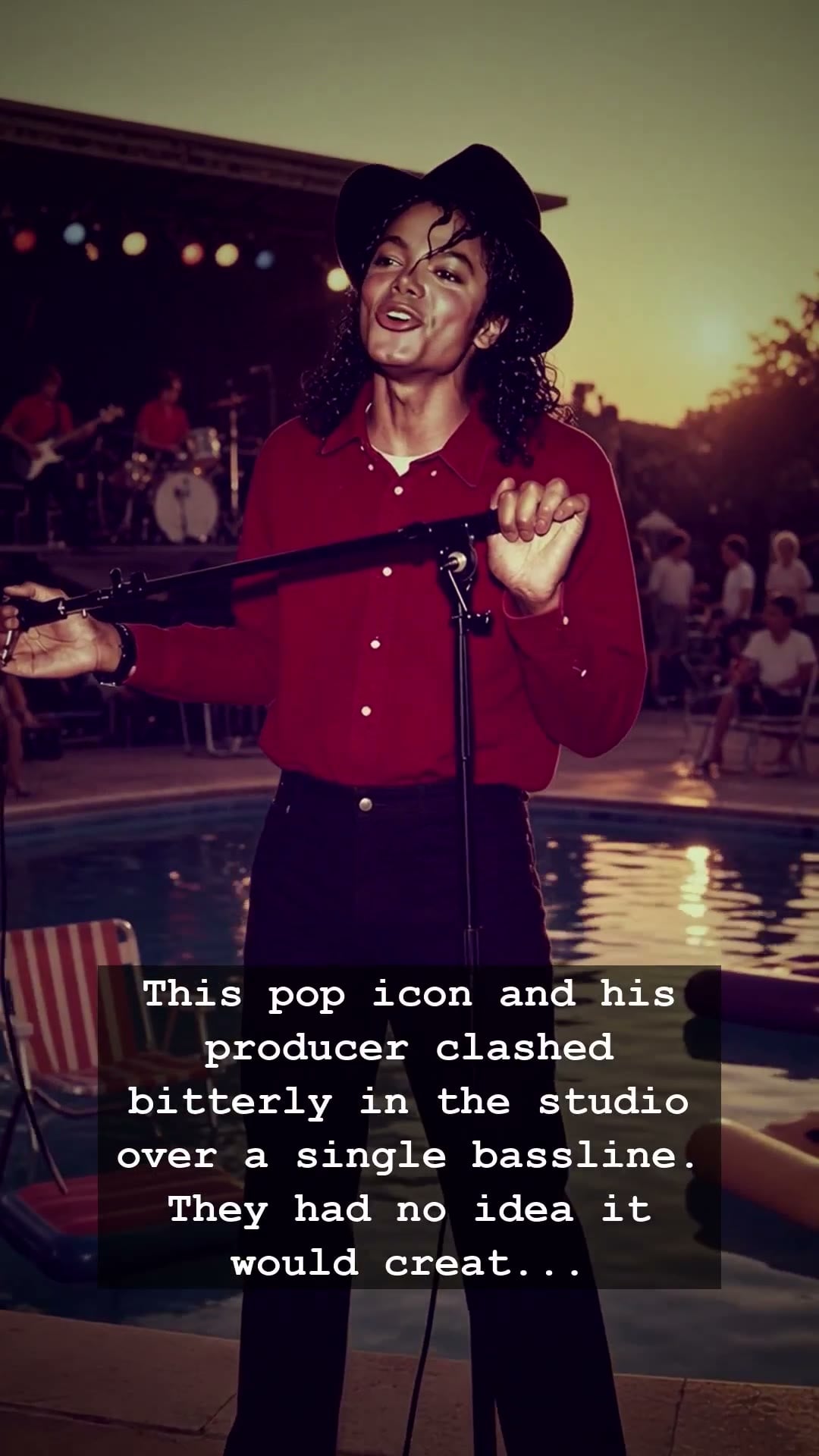
It was 1982, and the air inside Westlake Recording Studios in Los Angeles was thick with an electric, almost suffocating tension. The world was about to change, but inside those four walls, two titans of music were locked in a battle of wills that pushed them to their absolute limits. Michael Jackson, the burgeoning King of Pop, and his legendary producer, Quincy Jones, were deep into the sessions for what would become the best-selling album of all time. Yet, on this particular afternoon, the camaraderie had vanished, replaced by a cold, sharp conflict over a single, pulsating bassline that would eventually define the sound of a generation.
Quincy Jones was a master architect of sound, a man who demanded nothing less than perfection. He had a vision for the record that felt like a bridge between the grit of the streets and the polish of the radio. Michael Jackson, though only in his mid-twenties, possessed an equally uncompromising ear. When the disagreement over the arrangement erupted, it was more than just a creative difference; it was a collision of two massive artistic egos. The atmosphere became so hostile that for a moment, it seemed as if the magic might dissipate entirely, leaving behind only the shattered remnants of what could have been a musical revolution.
This was the era of the Walkman and the rising dominance of MTV, a time when a pop song had to be more than just catchy; it had to be an event. The friction between Michael Jackson and Quincy Jones was the engine of this excellence. Jones pushed the young star to dig deeper, to find a vocal delivery that felt raw and urgent, while Jackson insisted on textures and rhythmic pulses that defied standard pop conventions. They were chasing a ghost of a sound that existed only in their imaginations, and the studio became their battlefield. The legendary bassline in question was not merely a musical choice; it was a statement of intent that challenged the status quo of disco and funk.
When you listen to the final product today, it is impossible to detect the agony that birthed it. What remains is a seamless, haunting masterpiece that still fills dance floors and brings back the golden age of analog production. The legacy of their collaboration goes far beyond the commercial success. It serves as a reminder that the greatest art is often the child of tension and uncompromising standards. The partnership between Michael Jackson and Quincy Jones proved that when two geniuses refuse to settle, the result can redefine the cultural fabric of an entire era.
Decades later, we still find ourselves returning to those records, seeking that same spark of innovation that electrified the air in 1982. The story of their studio clash is a testament to the fact that greatness is rarely convenient. It is messy, difficult, and sometimes deeply personal. As the needle drops on these classic tracks, remember that behind the polished veneer lies a history of grit, ambition, and the relentless pursuit of perfection that makes these legends immortal.