
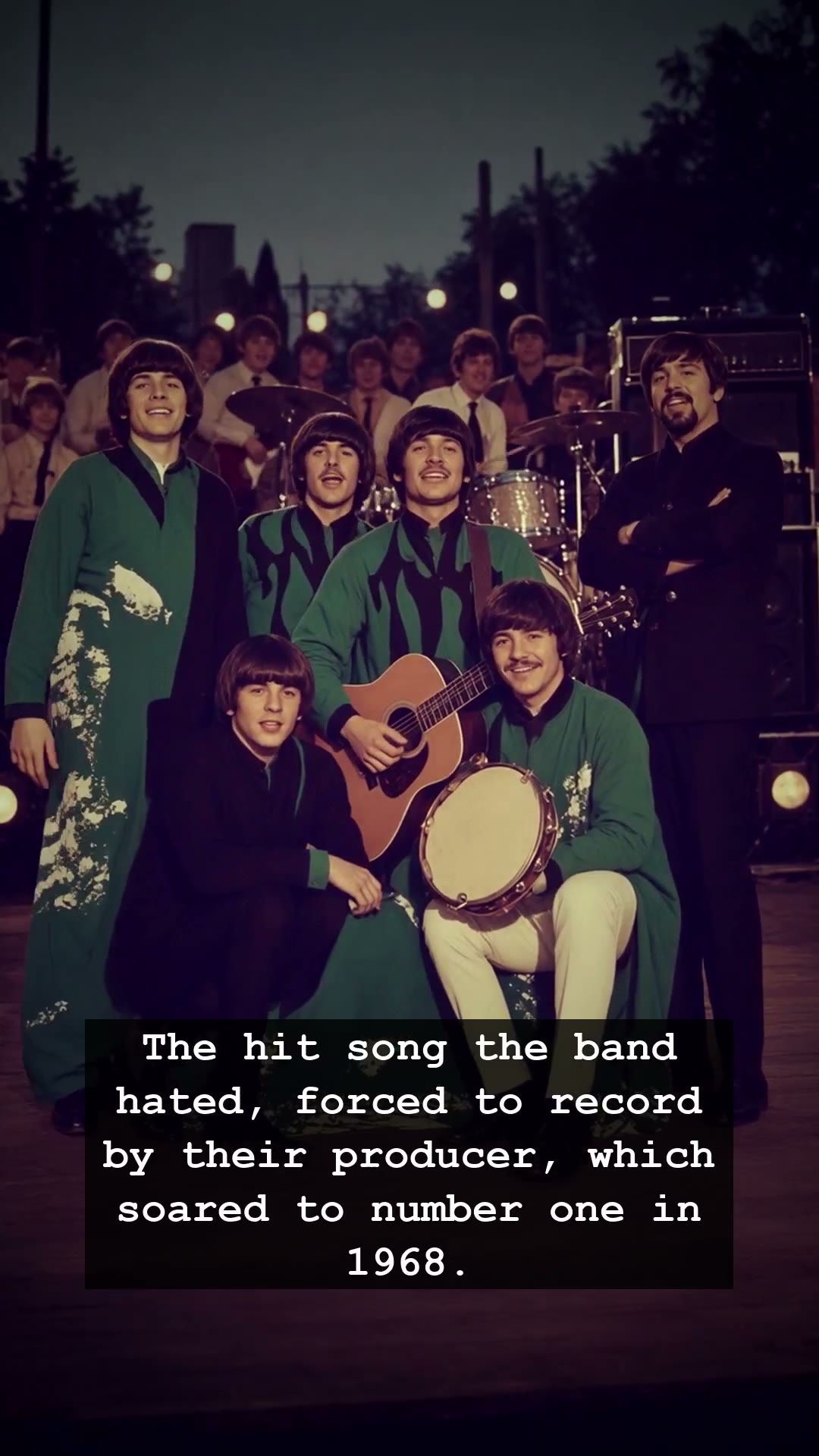
It was 1968, a year defined by the cultural tremors of the Vietnam War and the psychedelic explosion of the Summer of Love. Across the American airwaves, one track seemed to defy the heavy, introspective mood of the era. Green Tambourine, with its infectious, jangly melody, became a global phenomenon, soaring to the top of the Billboard Hot 100. It was the quintessential bubblegum pop hit, a song that defined the juke box culture of late sixties suburbia. Yet, to the men responsible for creating it, the song represented everything they were trying to run away from. The Lemon Pipers were not a group of sunshine-pop crooners; they were a serious, blues-inflected psychedelic rock band trapped in the machinery of a hit-hungry music industry.
Formed in Oxford, Ohio, The Lemon Pipers originally channeled the raw, experimental energy typical of the late sixties underground circuit. They were musicians who wanted to push boundaries, not write catchy tunes for teen magazines. However, when they signed with the Buddah Records label, they were quickly thrust into the hands of producer Paul Leka. Leka had a vision that stood in stark contrast to the band’s artistic aspirations. He insisted on the bright, over-produced sound of Green Tambourine, forcing the band members to record every note of a song they felt was devoid of soul. It was a classic clash between creative integrity and commercial ambition that would haunt them long after the charts had moved on.
For the members of The Lemon Pipers, the recording sessions for Green Tambourine were an agonizing exercise in compromise. They looked at their instruments not as tools for pop perfection, but as conduits for something deeper. Every take of the song felt like a betrayal of the music they genuinely loved. They were forced to don the vibrant, matching suits that became their visual brand, a requirement that felt like a cage to musicians who saw themselves as part of the evolving counterculture movement. As the song blasted from the radio, the band watched with a mixture of disbelief and resentment, knowing they had been pigeonholed by a producer’s single-minded pursuit of a radio-friendly anthem.
The irony of the situation remains a fascinating case study in the history of rock and roll. While the world danced to the tambourine, the band behind it was internally crumbling under the weight of their own unintended success. They were victims of the industry’s obsession with the next big hit, a fate shared by many artists during that transition from the swinging sixties to the grittier rock era of the seventies. The song became a permanent shadow, overshadowing their original, more complex compositions that never received the same level of exposure.
Looking back, the story of The Lemon Pipers serves as a poignant reminder of the price of fame. Behind the colorful, upbeat facade of a chart-topping hit, there is often a hidden narrative of artistic suppression. Today, Green Tambourine remains a relic of an era obsessed with catchy hooks and radio dominance, a sonic time capsule that still fills the air with mystery and nostalgia. It asks us to consider what music might have been created if these artists had been left to their own devices, unchained from the producer’s desk and the demand for instant glory.