
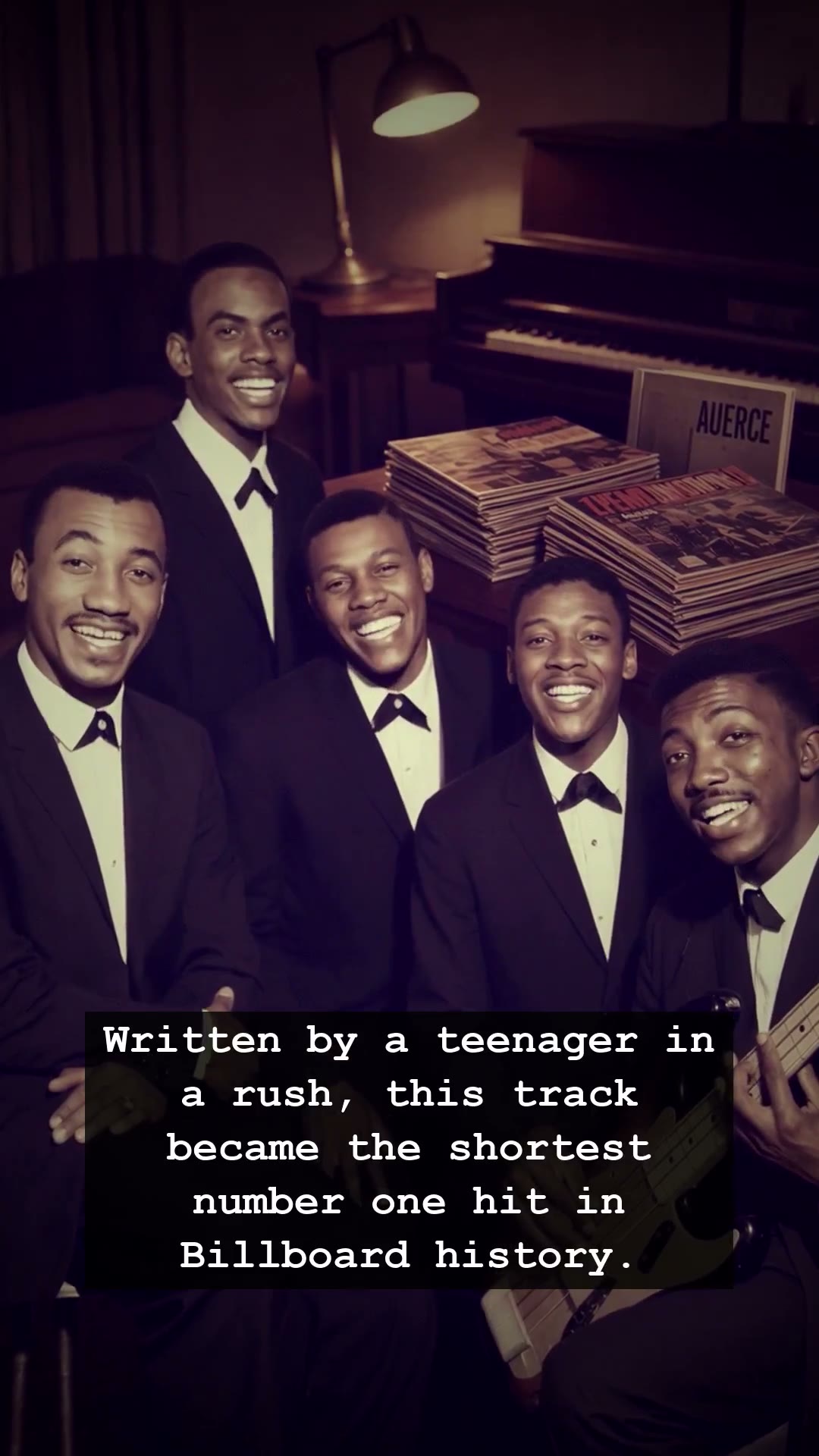
It was 1960, a time when jukeboxes hummed with the promise of newfound teenage independence and the air was thick with the scent of hairspray and gasoline. Amidst the birth of a new musical era, a young Maurice Williams sat in his car, fueled by a cocktail of youthful frustration and raw inspiration. His date had been cut short by a strictly enforced curfew, an annoyance that would have sent most teenagers to bed in a huff. Instead, it sent Maurice Williams straight into the history books. Within moments of being forced away from his sweetheart, he scribbled down a melody that would soon echo from every radio in America, eventually cementing its place as the shortest number one hit in Billboard history.
The song was Stay, a track that clocks in at a frantic, blistering one minute and thirty-seven seconds. While the studio engineers of the era were obsessed with creating longer, radio-friendly epics, Maurice Williams captured lightning in a bottle by doing exactly the opposite. He didn’t have time for a bridge or a drawn-out outro because he was still feeling the heat of that interrupted evening. There is a frantic, desperate energy in those lyrics—a plea for just a few more minutes—that resonated deeply with a generation caught between the rigid rules of their parents and the burgeoning rock ‘n’ roll rebellion that was sweeping across the nation.
When Maurice Williams and the Zodiacs finally recorded the track, they didn’t know they were breaking records. They were simply capturing the essence of being young, rushed, and desperately in love. The song is a testament to the spontaneity that defined the early sixties. It wasn’t about high-production value or complex arrangements; it was about the raw, unfiltered urgency of a teenager who simply did not want the night to end. It remains a marvel of musical economy, proving that you do not need three minutes to tell a story that lasts a lifetime in the hearts of listeners.
Looking back, the track serves as a time capsule from an era when the radio was our primary window into the wider world. Whether you were listening through a crackling transistor radio or dancing at a local high school sock hop, that distinctive falsetto hook became a cultural touchstone. Maurice Williams managed to distill the essence of the teen experience into a brief, frantic burst of doo-wop brilliance. It serves as a reminder that the most enduring art often comes from our most mundane, frustrating moments of everyday life.
Even today, the song retains its infectious power. Every time those drums kick in, you can practically hear the rev of the engine as Maurice Williams peeled away from his date’s driveway. It stands as a glorious monument to the impulsive decisions of youth. As we look back at the golden age of American music, we find that the most memorable giants are often the ones who took the least amount of time to leave their mark. So next time you find yourself wishing for just a little more time, remember the man who turned his impatience into an immortal hit.