
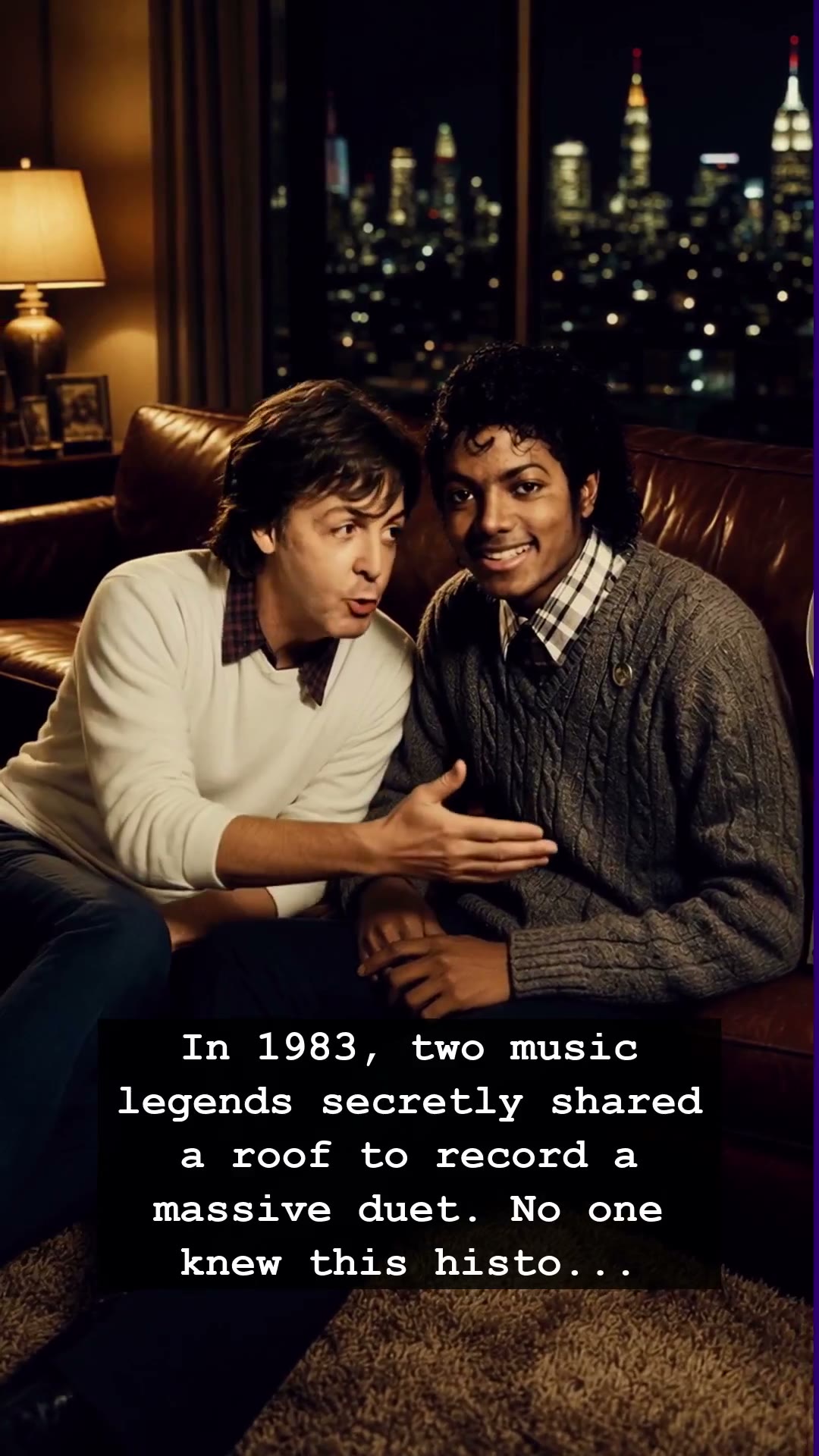
In 1983, the music world was riding the high of the MTV era, a time when the Jukebox had finally given way to the glossy, fast-paced revolution of music videos. Behind the closed doors of a high-end recording studio, two titans of the industry were crafting what everyone assumed would be a lifelong friendship. Paul McCartney, the legendary Beatle, and Michael Jackson, the rising King of Pop, were capturing lightning in a bottle. They were recording Say Say Say, a catchy, upbeat anthem that felt like the perfect marriage of classic rock sensibilities and the infectious rhythm of eighties pop. Yet, beneath the glamour of the studio lights and the shared laughter, a cold shadow was looming over their partnership.
At the time, the air was thick with the scent of hairspray and the ambition of a new generation. Paul McCartney, a seasoned veteran who had navigated the chaos of the sixties and seventies, became a mentor to the young Michael Jackson. They spent time at McCartney’s home, trading stories, sharing meals, and discussing the nuances of the business. It was during these intimate conversations that McCartney, acting as a trusted friend, gave Jackson the most professional advice of his life. He explained that the real money in music wasn’t in performing, but in owning the publishing rights to legendary catalogs. It was a lesson meant to empower a protege, but it would soon prove to be a grave miscalculation.
To Paul McCartney, the music business was a game of art and melody, but to Michael Jackson, it was an acquisition strategy. While McCartney nurtured the friendship, Jackson took that advice to heart in a way that left the former Beatle blindsided. In a stunning power move, Jackson swooped in to purchase the ATV Music catalog, which contained the vast majority of the Lennon-McCartney songbook. The friendship that had blossomed over late-night sessions and creative camaraderie was effectively severed. For McCartney, it wasn’t just a business transaction; it was a profound betrayal of trust that turned his own life’s work into his competitor’s prize.
This dramatic fallout serves as a haunting reminder of the cutthroat reality lurking behind the golden age of pop stardom. In an era when Walkmans were the window to the world and fame was becoming an increasingly fragile commodity, the lines between mentor and rival became blurred beyond recognition. The saga of McCartney and Jackson remains one of the most polarizing chapters in pop history, a story of how a shared vision for a song turned into a bitter fight for the soul of the industry.
Decades later, the echoes of their collaboration still resonate every time Say Say Say hits the airwaves. We are left to wonder what might have been if the boardroom had never intruded upon their musical sanctuary. When you listen to those tracks today, try to look past the melody and hear the quiet tension of two legends whose paths were destined to collide in the most painful of ways. It is a timeless story of ambition, lost innocence, and the high price of fame that continues to define the music we still love today.