
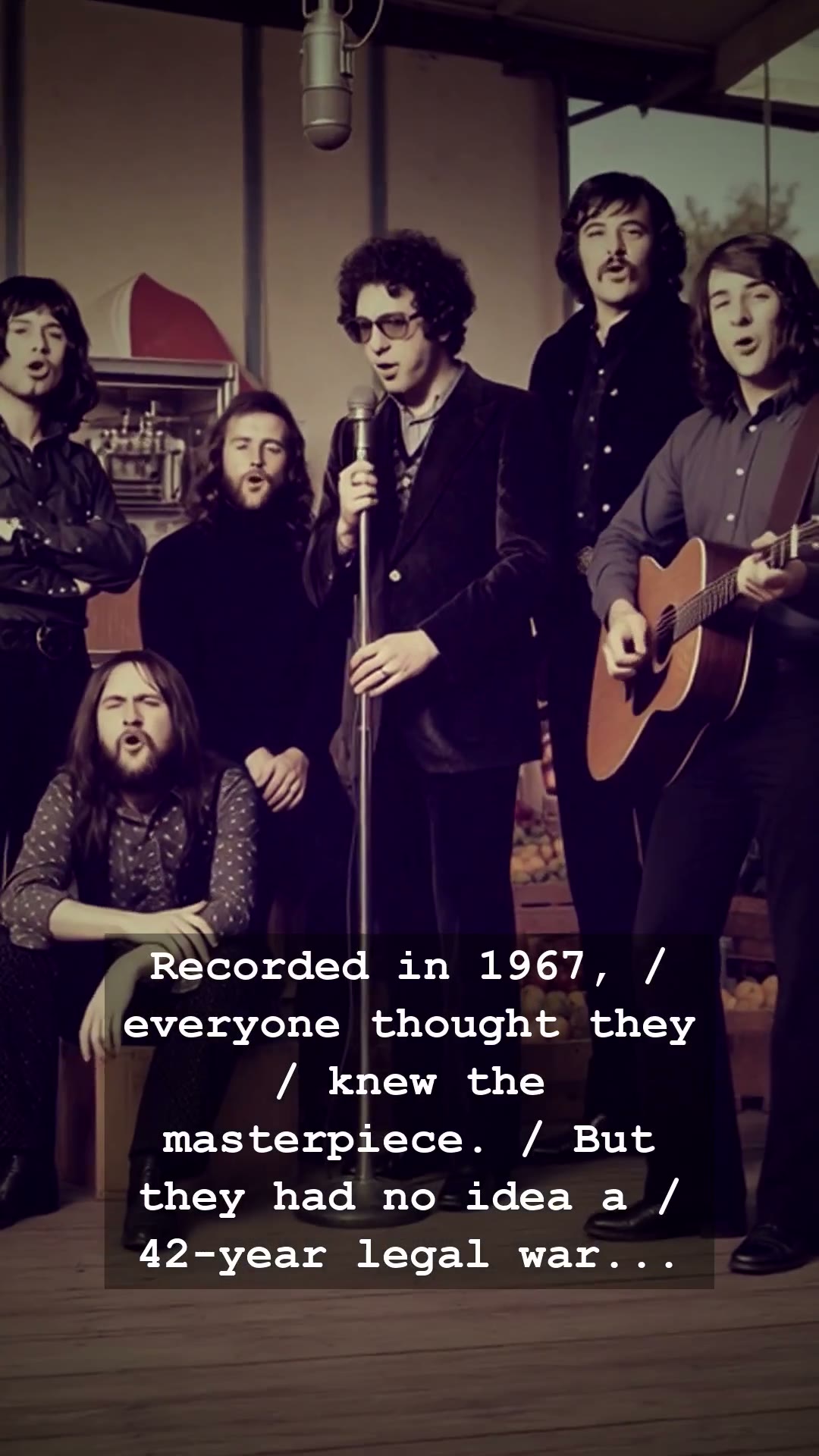
It was 1967, the Summer of Love was in full swing, and the airwaves were dominated by the haunting, ethereal sound of a Hammond organ. Procol Harum’s A Whiter Shade of Pale became the defining anthem of the decade, a song that seemed to drift out of a misty, medieval dreamscape. For generations, listeners were captivated by its Bach-inspired melody and surreal lyrics, but beneath the psychedelic veneer lay a bitter, long-running secret that would haunt the band for over four decades. While fans were swaying to the music at festivals like Monterey Pop, a quiet conflict was brewing behind the scenes that would eventually erupt into one of the most grueling legal battles in the history of rock and roll.
The core of the controversy centered on the song’s iconic organ riff. While Matthew Fisher sat at the keys in 1967, the official writing credits were initially limited to Gary Brooker and Keith Reid. For years, the story was accepted as industry standard, but as the decades passed and the digital age began to reshape the music landscape, the question of authorship became a volatile dispute. Fisher claimed that his classical organ contribution was not merely a performance, but a fundamental compositional element that shaped the song’s very identity. This wasn’t just about money; it was about the legacy of a masterpiece that defined a cultural era.
By the time the legal war reached the UK courts in the mid-2000s, the music industry had changed beyond recognition. The era of the vinyl jukebox and the intimate club scene had been replaced by the globalization of digital streaming, yet the soul of the 1967 recording remained frozen in time. The court proceedings were a collision between the romanticized memories of the sixties and the cold, hard reality of intellectual property law. It was a clash that forced the public to look past the nostalgia and realize that even the most beautiful art is often born from the friction of human egos and creative ownership.
After a grueling 42-year journey, the case eventually reached the highest courts. The legal saga serves as a stark reminder of the dark side of fame and the fragility of band dynamics during the formative years of classic rock. When we listen to A Whiter Shade of Pale today, it is impossible not to hear the underlying tension that permeated the studio walls back then. The song transformed from a simple pop hit into a symbol of artistic endurance and the often-painful struggle to claim one’s rightful place in the history books of music.
Today, we look back at Procol Harum not just as the architects of a sound that defined a generation, but as survivors of a conflict that mirrored the complexities of the music business itself. The echoes of that Hammond organ still resonate, telling a story of passion, betrayal, and the relentless passage of time. As you listen to the track again, consider the weight of those notes—they carry the history of a band that changed the world, even while they were fighting to hold onto their own creation. The music lives on, immortalized by both its beauty and the shadows of the past.