
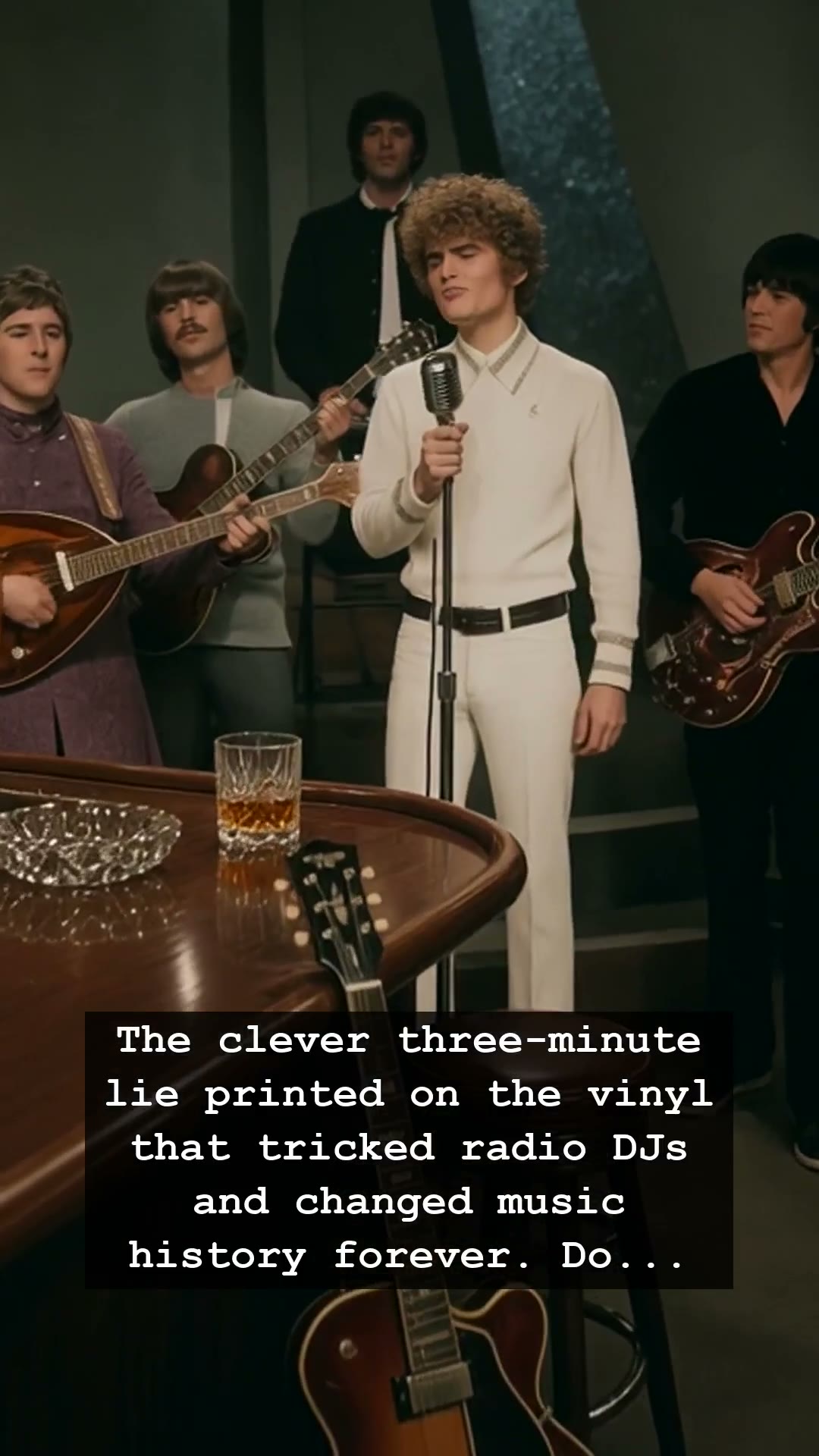
In the mid-1960s, the radio waves were ruled by a strict, unwritten law. If you wanted your song to be heard by the masses, it had to be short, punchy, and under three minutes. Anything longer was considered commercial suicide, a guaranteed way to have your record gathering dust on a DJ’s shelf. But in 1964, a production mastermind decided that the rules were meant to be broken, leading to a brilliant deception that would change music history forever. The song was You’ve Lost That Lovin’ Feelin’, and the artists behind it were none other than the legendary Righteous Brothers.
Bill Medley and Bobby Hatfield were not your typical pop stars. With their towering, soulful voices and a sound that bridged the gap between R&B and the burgeoning white pop charts, The Righteous Brothers possessed a depth that demanded more than a quick, frantic burst of sound. When producer Phil Spector captured their iconic masterpiece, he knew he had something transcendental. The track was a slow-building, cinematic wall of sound that ran for three minutes and forty-five seconds. In an era obsessed with the quick hits of the jukebox, this length was a calculated risk that almost everyone told him would fail.
Spector, however, was never one to back down from a fight. He knew that if radio programmers saw a duration close to four minutes, they would dismiss the track without even giving it a spin. To bypass this, he pulled off a daring stunt: he simply printed a fake time on the vinyl label. By claiming the track was only three minutes and five seconds long, he tricked the busy DJs into slotting it into their playlists. Once the song started playing in the heavy rotation of the time, its sheer emotional power ensured that no one dared to pull it off the airwaves early.
This clever lie ignited a career-defining moment for The Righteous Brothers. The song soared to the top of the charts, proving that the public was hungrier for soul-stirring depth than for the fleeting, fast-paced tracks that dominated the airwaves. It became an anthem of the decade, capturing the heartbreak and longing of a generation that was beginning to move away from the lighthearted innocence of early rock and roll. The resonance of that vocal performance, coupled with Spector’s grandiose production, created a cultural touchstone that still echoes in the halls of classic music today.
Looking back, the story of The Righteous Brothers and their hit remains a fascinating reminder of the grit required to make art in a rigid industry. It was a time when the music business felt like a high-stakes battlefield, and every second of airplay was a hard-won victory. That three-minute lie did not just cheat the DJs; it opened the door for longer, more experimental compositions to find a home on the radio. Next time you hear the haunting opening notes of that classic ballad, remember that you are listening to a piece of history that refused to be silenced by the rules.